

What is a Crystal Powder Pneumatic Conveying System? And What Are Its Design Principles?
Crystal powder pneumatic conveying systems are specialized industrial equipment designed to transport crystalline powders through a pipeline using compressed air or other gas as the conveying medium. This technology is crucial in various industries, including pharmaceuticals, food processing, and chemical manufacturing, where the efficient and safe handling of fine, dry powders is essential. The system operates by creating a flow of air that lifts and transports the powder particles through the pipeline, ensuring minimal product degradation and contamination.
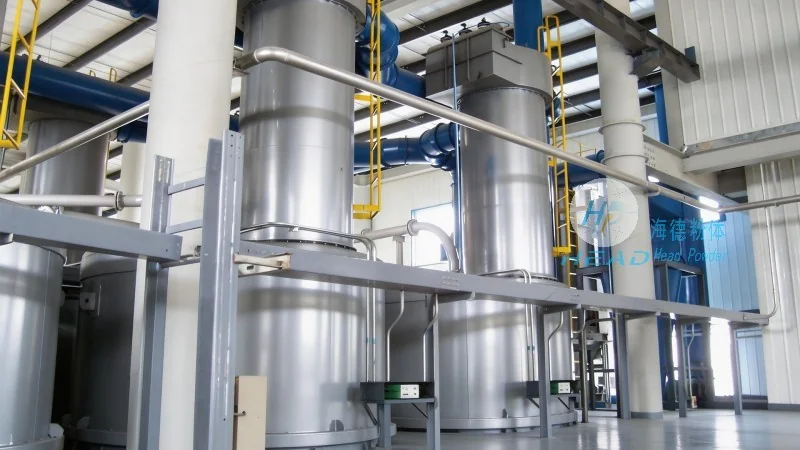
HeadPowder, a leading provider in the field, specializes in designing and manufacturing such systems tailored to the unique requirements of each application. With a focus on precision and reliability, their solutions are engineered to meet stringent industry standards, ensuring optimal performance and longevity. The company's expertise lies in understanding the specific characteristics of different crystalline powders and adapting the conveying system accordingly.
Understanding the Core Components of a Pneumatic Conveying System
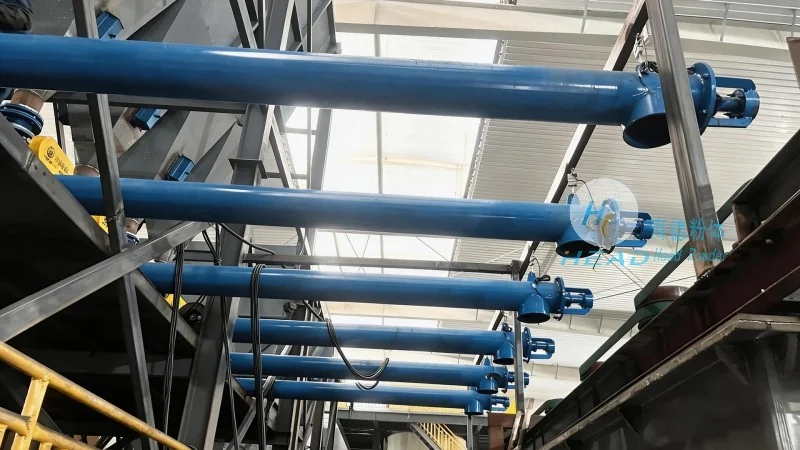
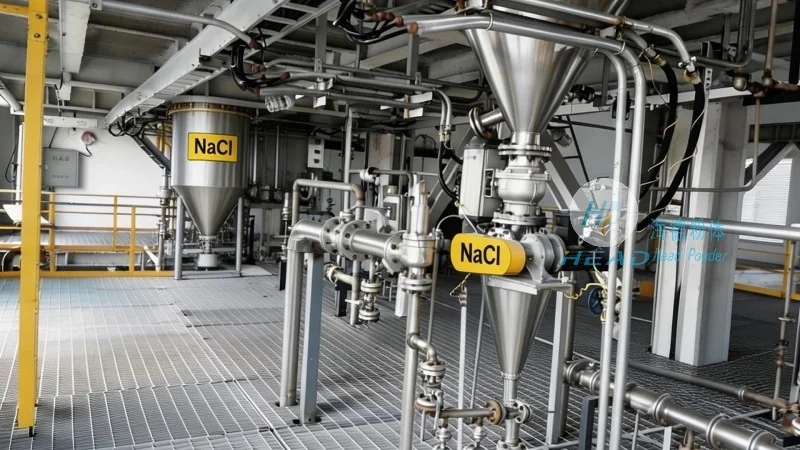
A typical crystal powder pneumatic conveying system consists of several key components that work in harmony to achieve efficient material transport. The primary elements include a hopper or feeder for storing and feeding the powder, a conveying line (usually made of stainless steel or other corrosion-resistant materials to prevent contamination), a blower or compressor that generates the necessary air pressure, and a control system to regulate the flow and pressure. Additionally, features such as cyclone separators or filters may be incorporated to separate the powder from the air at the discharge end, ensuring a clean and efficient process.
The Design Principles Behind Efficient Conveying
The design of a crystal powder pneumatic conveying system is governed by several fundamental principles aimed at maximizing efficiency and minimizing operational issues. One of the most critical factors is the selection of the appropriate conveying velocity, which must be high enough to prevent particle settling but low enough to avoid excessive wear on the system components. The system's design also considers the particle size, density, and flow properties of the crystalline powder, as these characteristics directly impact the air velocity required for effective transport. For instance, finer powders may require higher air velocities to maintain suspension, while larger particles might need a different approach to ensure smooth movement through the pipeline.
HeadPowder's Engineering Approach and Custom Solutions
Shandong HeadPowder Engineering Co., Ltd., based in China, leverages decades of experience and advanced engineering capabilities to develop customized pneumatic conveying systems. The company's team of experts works closely with clients to analyze their specific material handling challenges and design a solution that addresses all operational needs. By integrating the latest technology and adhering to international quality standards, HeadPowder ensures that each system is not only efficient but also durable and cost-effective. Their commitment to customer satisfaction is evident in the detailed design process, which includes thorough testing and validation to guarantee optimal performance before deployment.
Key Advantages of Crystal Powder Pneumatic Conveying Systems
Implementing a crystal powder pneumatic conveying system offers numerous advantages over traditional methods such as bucket elevators or belt conveyors. One of the most significant benefits is the ability to handle fine, abrasive powders without the risk of product degradation or equipment damage. The enclosed system also minimizes dust emissions, enhancing workplace safety and compliance with environmental regulations. Furthermore, the system's flexibility allows for easy integration into existing production lines, reducing downtime and increasing overall productivity. The consistent flow and control provided by pneumatic conveying systems also contribute to improved product quality and reduced waste.