When it comes to transporting boron nitride (BN) using pneumatic conveying systems, preventing pipeline blockages is a critical challenge. Boron nitride, with its unique properties such as high thermal stability and low friction, can behave unpredictably under certain conditions, leading to clogging issues that disrupt production efficiency. Understanding and implementing the right design parameters is essential to ensure smooth and reliable operation of the conveying system.
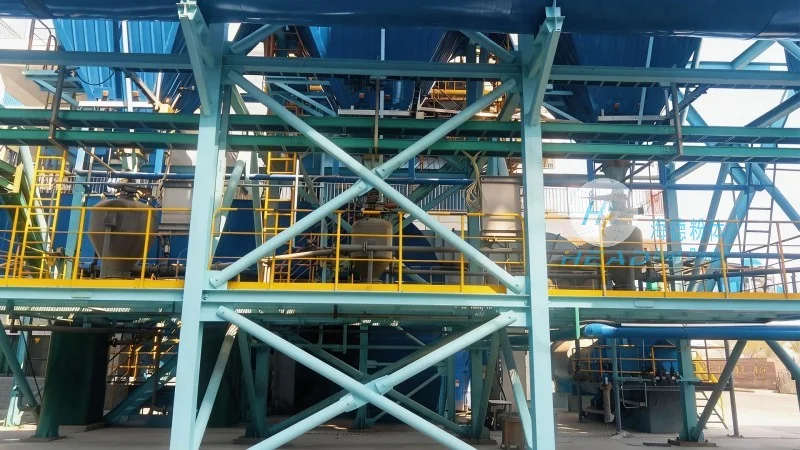
HeadPowder, a leading engineering company based in Shandong, China, specializes in the design and implementation of advanced pneumatic conveying solutions tailored for high-value materials like boron nitride. With years of experience in the field, the company has developed a comprehensive approach to addressing the specific challenges posed by BN's physical and chemical characteristics.
Understanding the Challenges of Boron Nitride in Pneumatic Conveying
Boron nitride is a white, crystalline powder that is widely used in industries ranging from electronics to aerospace due to its excellent thermal conductivity and electrical insulation properties. However, its fine particle size and cohesive nature make it prone to agglomeration and blockage in pipelines. Traditional conveying methods may not be sufficient to handle the material's behavior, especially when dealing with high concentrations or long-distance transport.
The primary causes of blockages in BN conveying systems include particle bridging, arching, and the formation of dense plugs within the pipeline. These issues can be exacerbated by factors such as moisture content, temperature fluctuations, and the presence of contaminants. Therefore, a well-designed pneumatic system must account for these variables to maintain consistent flow rates and prevent system downtime.
Key Design Parameters for Effective Pneumatic Conveying of Boron Nitride
Several critical design parameters must be considered when designing a pneumatic conveying system for boron nitride to prevent blockages and ensure optimal performance. These parameters are tailored to the material's properties and the specific application requirements.
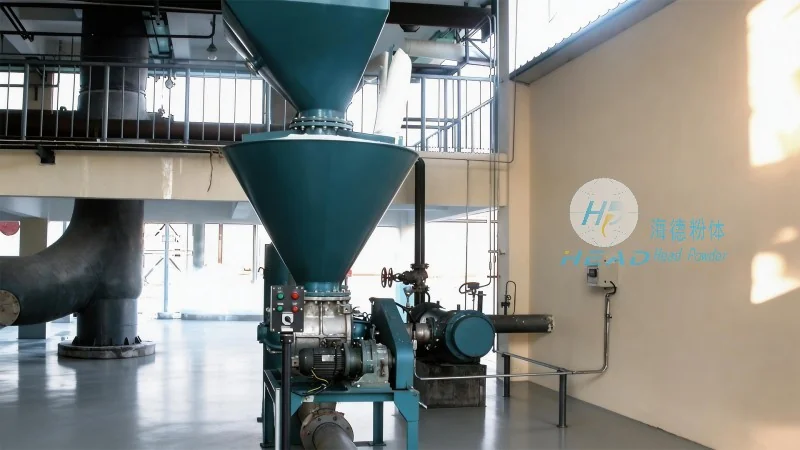
First, the conveying velocity is a fundamental parameter that directly impacts the risk of blockage. Higher velocities can help maintain a dilute phase flow, reducing the likelihood of particle agglomeration. However, excessively high velocities may increase energy consumption and wear on system components. HeadPowder recommends maintaining a velocity within the optimal range, typically between 20 to 30 meters per second, depending on the particle size and pipeline diameter.
Second, the pressure differential across the system is crucial for ensuring sufficient flow. Boron nitride particles are relatively light, but their cohesive nature requires adequate pressure to overcome friction and maintain a stable flow. The system design must consider the total pressure drop, including losses due to fittings, bends, and elbows. HeadPowder's engineers use advanced computational fluid dynamics (CFD) simulations to model pressure losses and optimize the system layout.
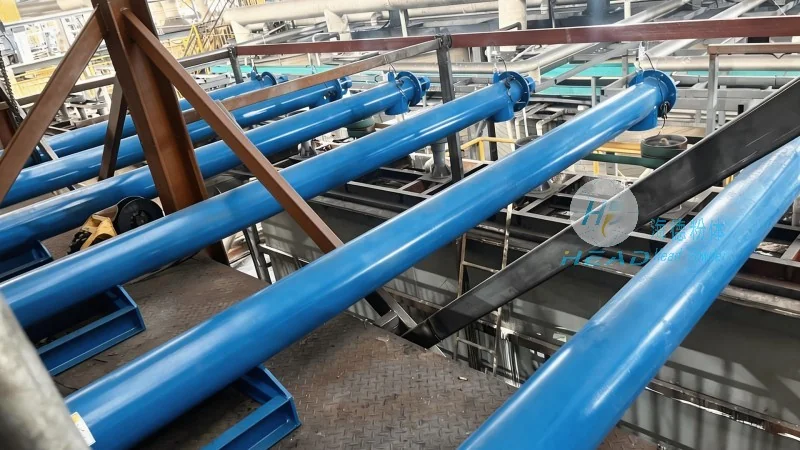
Third, the pipeline diameter and configuration play a significant role in preventing blockages. Smaller diameters increase the risk of particle bridging and arching, while larger diameters may lead to higher energy consumption. The optimal diameter is determined by balancing the material's flow characteristics and the system's capacity. For boron nitride, a diameter ranging from 50 to 100 millimeters is commonly used, with the exact size depending on the particle size distribution and the required flow rate.
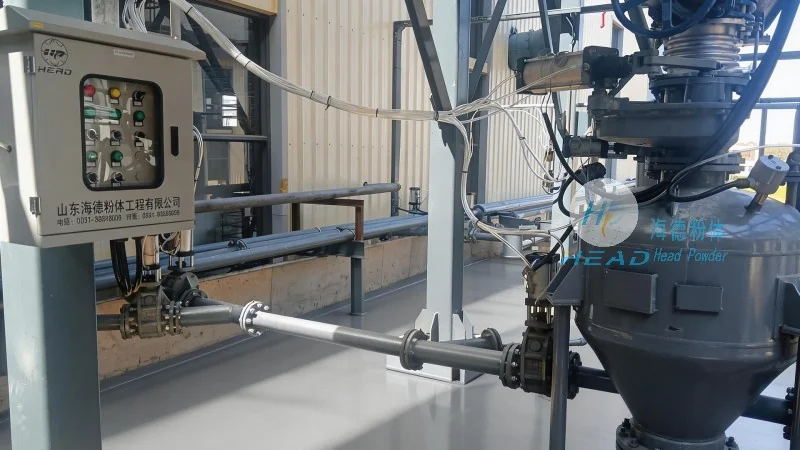
Fourth, the design of fittings and bends is essential to minimize pressure losses and prevent particle accumulation. Sharp bends and narrow sections can cause particle separation and agglomeration, leading to blockages. HeadPowder employs smooth, gradual bends with appropriate radii to maintain a consistent flow pattern. The use of specialized fittings, such as expansion joints and flexible connectors, can also help absorb vibrations and reduce stress on the system.
Fifth, the material of construction is another critical factor. Boron nitride is chemically inert but can be abrasive. Therefore, the pipeline and components must be made of materials that can withstand the material's abrasive properties without degradation. Stainless steel or high-grade plastic materials are commonly used in BN conveying systems to ensure durability and prevent corrosion.
Implementing Advanced Control Systems for Real-Time Monitoring
Modern pneumatic conveying systems for boron nitride often incorporate advanced control systems to monitor and adjust the process in real time. These systems use sensors to detect pressure, flow rate, and temperature, providing immediate feedback to the control unit. By continuously monitoring these parameters, the system can automatically adjust the conveying velocity or pressure to prevent blockages before they occur.
HeadPowder's advanced control solutions include programmable logic controllers (PLCs) and human-machine interfaces (HMIs) that allow operators to set parameters and receive alerts when deviations occur. The company also offers predictive maintenance features that use data analytics to identify potential issues and schedule maintenance before failures occur. This proactive approach helps minimize downtime and ensures the system operates at peak efficiency.
Case Study: Successful Implementation by HeadPowder
HeadPowder recently completed a project for a leading electronics manufacturer that required the transport of high-purity boron nitride from a storage silo to a production line over a distance of 200 meters. The system was designed to handle a flow rate of 5 tons per hour while maintaining a low risk of blockage. The implementation involved careful selection of the conveying velocity, pipeline diameter, and fitting design, as well as the integration of an advanced control system.
During the commissioning phase, the system was tested under various conditions, including changes in temperature and moisture content. The results showed that the system maintained a stable flow rate with minimal pressure drop, and no blockages occurred during the testing period. The manufacturer reported a significant reduction in downtime and an increase in production efficiency, leading to a positive return on investment.
Conclusion: Ensuring Reliable Pneumatic Conveying of Boron Nitride
Preventing pipeline blockages in pneumatic conveying systems for boron nitride requires a comprehensive approach that considers the material's unique properties and the system's design parameters. By optimizing conveying velocity, pressure, pipeline diameter, and component design, and incorporating advanced control systems, companies can ensure smooth and reliable operation. HeadPowder, with its expertise in engineering and material handling, provides tailored solutions that address the specific challenges of boron nitride conveying, helping clients achieve their production goals efficiently and cost-effectively.




