Efficient and reliable powder handling is crucial for industries dealing with materials like powdered soap. Pneumatic conveying systems have emerged as a preferred method for transporting such materials due to their ability to minimize product contamination and enhance process flexibility. However, a common challenge in these systems is the risk of pipeline blockages, which can lead to operational downtime and increased maintenance costs. Understanding and implementing the right design parameters are essential to mitigate these risks and ensure smooth operation. This article explores how to prevent pipeline blockages in powdered soap conveying using pneumatic systems and highlights the key design considerations that contribute to system efficiency and longevity.
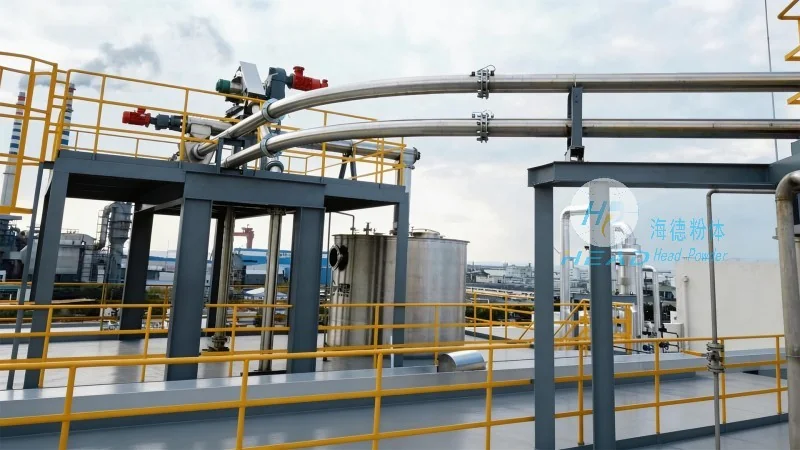
Understanding Pneumatic Conveying Systems for Powdered Soap
Pneumatic conveying systems utilize air or other gases to transport bulk materials through a pipeline. In the context of powdered soap, these systems are designed to handle fine, dry powders that are prone to agglomeration and caking. The primary goal is to maintain a consistent flow of material while preventing the formation of solid deposits that can obstruct the pipeline. Several factors influence the performance of these systems, including the type of conveying system (e.g., dilute-phase or dense-phase), material properties, and operational conditions.
Key Design Parameters to Prevent Pipeline Blockages
Several critical design parameters must be carefully considered to prevent pipeline blockages in powdered soap conveying systems. These parameters are tailored to the specific characteristics of the material and the operational requirements of the process. The following sections outline the most important factors to consider:
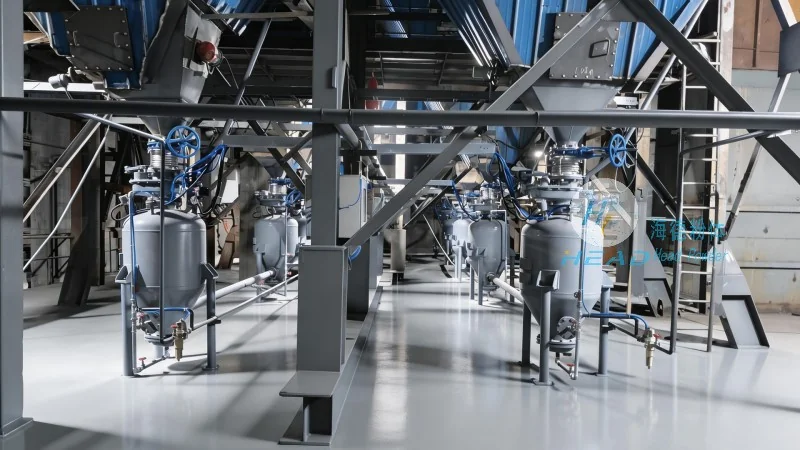
1. Proper Pipeline Sizing and Layout
The diameter and length of the conveying pipeline are fundamental factors that affect system performance. Larger diameter pipes reduce the velocity of the material-air mixture, which can help prevent particle degradation and reduce the risk of blockages. However, excessively large pipes may increase capital costs and energy consumption. The layout of the pipeline, including the number of bends, vertical and horizontal sections, and the presence of expansion joints, also plays a crucial role. Sharp bends and sudden changes in direction can cause material to settle and accumulate, leading to blockages. Therefore, it is essential to design pipelines with smooth transitions and minimal bends where possible. Additionally, incorporating expansion joints allows for thermal expansion and contraction, reducing stress on the pipeline and preventing cracks that could lead to material ingress and blockages.
2. Optimal Air-to-Solid Ratio (ASR)
The air-to-solid ratio (ASR) is a critical parameter that determines the conveying velocity and the pressure drop across the system. A higher ASR results in a faster conveying speed but may increase energy consumption and reduce material density. Conversely, a lower ASR may lead to slower conveying and higher risk of blockages due to material settling. For powdered soap, an optimal ASR is typically determined by the material's flowability, particle size distribution, and the desired conveying distance. The ASR is calculated as the ratio of the volumetric flow rate of air to the volumetric flow rate of the material. Proper measurement and control of the ASR are essential to maintain a consistent flow and prevent overloading the system, which can cause blockages.
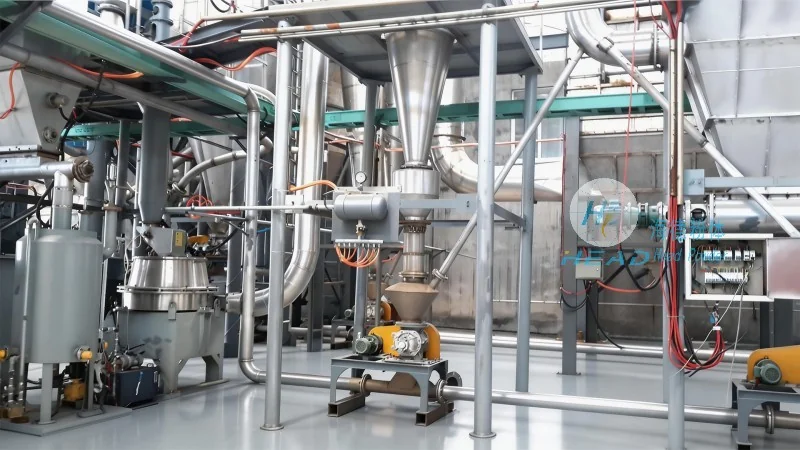
3. Effective Material Conditioning
Before entering the conveying system, powdered soap may require conditioning to improve its flow properties. This can include adding moisture to reduce dustiness or using agitators to break up agglomerates. Proper conditioning ensures that the material remains in a free-flowing state, reducing the likelihood of blockages caused by agglomeration. Conditioning equipment, such as mixers or humidifiers, should be integrated into the system design to ensure consistent material properties throughout the conveying process. Additionally, maintaining the temperature of the material and the conveying air can prevent moisture condensation, which can lead to caking and blockages.
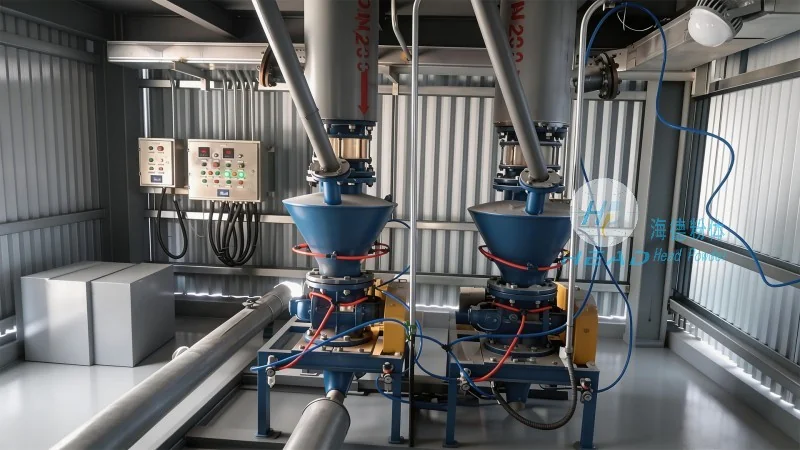
4. Selection of Conveying Equipment
The choice of conveying equipment, such as rotary valves, feeders, and receivers, significantly impacts system performance. Rotary valves are commonly used as feeders to control the flow rate of powdered soap into the pipeline. The design of these valves, including the number of lobes and the speed of rotation, must be optimized to prevent material bridging and blockages. Feeders should be equipped with features like anti-sticking mechanisms and cleaning ports to ensure smooth operation. Receivers, where the material is discharged, should be designed with appropriate venting and filtration to prevent dust accumulation and blockages. The selection of equipment should be based on the material's properties, the conveying distance, and the required flow rate. For example, dense-phase conveying systems may be more suitable for materials with high tendency to agglomerate, as they use higher air pressures to push the material through the pipeline.
5. Proper Filtration and Cleaning Systems
Contaminants and dust particles can accumulate in the conveying system over time, leading to blockages and reduced efficiency. Implementing effective filtration and cleaning systems is essential to maintain system performance. Filters should be installed at the inlet and outlet of the system to remove foreign particles and prevent them from entering the pipeline. Regular cleaning of filters and the pipeline interior is necessary to prevent clogging. Additionally, incorporating self-cleaning filters or automatic cleaning mechanisms can reduce maintenance requirements and ensure consistent performance. The design of the filtration system should consider the material's dustiness and the required filtration efficiency to prevent material loss and blockages.




