

What is a Denitrification Fly Ash Powder Pneumatic Conveying System? What is its Design Principle?
Denitrification fly ash powder pneumatic conveying systems are specialized industrial solutions designed to handle the transportation of fly ash, a byproduct of coal combustion, from power plants or other industrial facilities. These systems play a crucial role in the efficient and safe removal of fly ash, which is often used in construction materials or disposed of in designated landfills. Understanding the components and design principles of such systems is essential for optimizing industrial operations and ensuring compliance with environmental regulations.
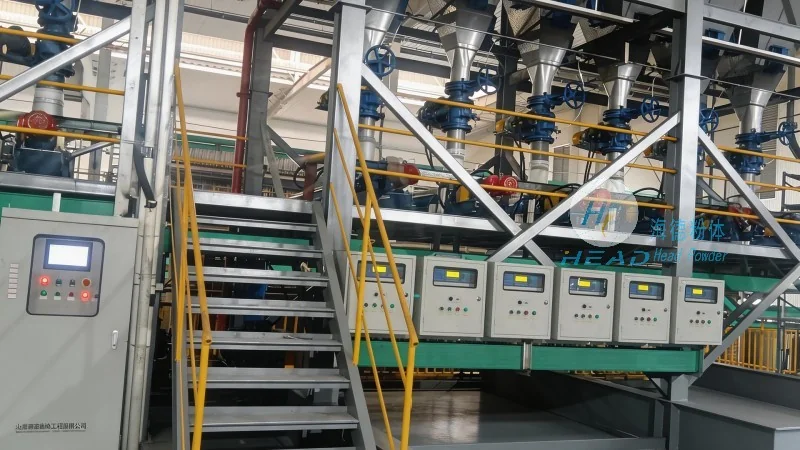
Understanding the Core Components of Pneumatic Conveying Systems
A denitrification fly ash powder pneumatic conveying system typically consists of several key components that work in tandem to achieve effective material transport. The primary elements include a dust collector or hopper to store the fly ash, a conveying pipeline that transports the material, a blower or air compressor to generate the necessary airflow, and a control system to regulate the operation. Additionally, the system may incorporate filters and cyclones to separate the ash from the air stream, ensuring that the material is delivered to its destination without causing dust pollution.
The Design Principles Behind Efficient Pneumatic Conveying
The design of a denitrification fly ash powder pneumatic conveying system is guided by several fundamental principles aimed at maximizing efficiency, minimizing energy consumption, and ensuring the safe handling of the material. One of the key principles is the selection of appropriate air velocities within the conveying pipeline. The velocity must be high enough to prevent the ash particles from settling but low enough to avoid excessive wear on the system components. This balance is critical for maintaining the system's longevity and operational performance.
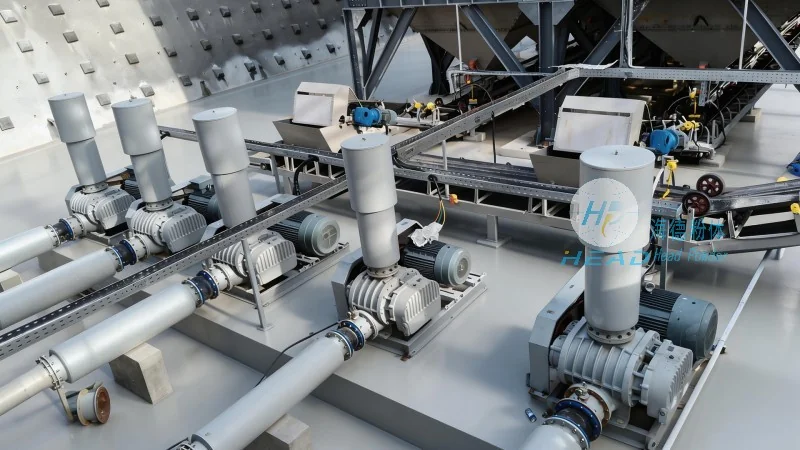
Another important design principle is the consideration of the ash's physical properties, such as particle size, density, and moisture content. These factors influence the required air pressure and flow rate. For example, finer ash particles may require higher air velocities to prevent clogging, while coarser particles might need lower velocities to reduce wear on the pipeline and equipment. The system's design must also account for the potential for ash agglomeration, which can lead to blockages if not properly addressed through the use of additives or agitators.
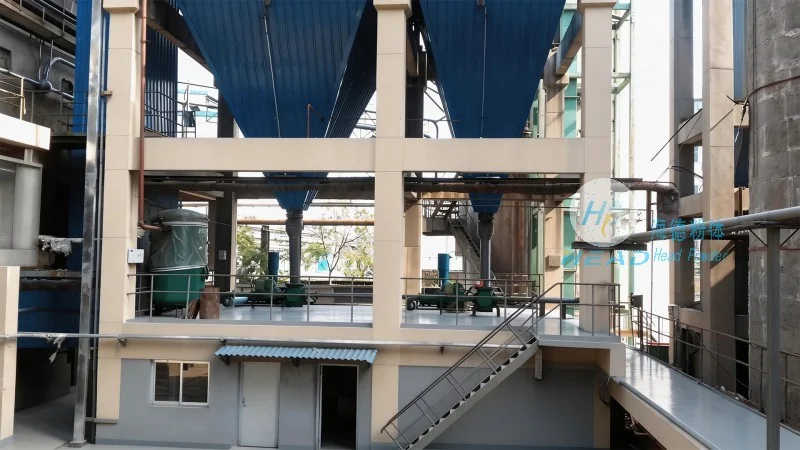
HeadPowder's Expertise in Pneumatic Conveying Solutions
Shandong HeadPowder Engineering Co., Ltd., commonly known as HeadPowder, is a leading provider of customized pneumatic conveying systems tailored to the specific needs of industrial clients. With years of experience in the field, HeadPowder specializes in designing and manufacturing denitrification fly ash powder pneumatic conveying systems that meet the highest standards of efficiency and reliability. The company's team of engineers and technicians works closely with clients to understand their operational requirements, environmental constraints, and material characteristics, ensuring that the final system is optimized for performance and longevity.
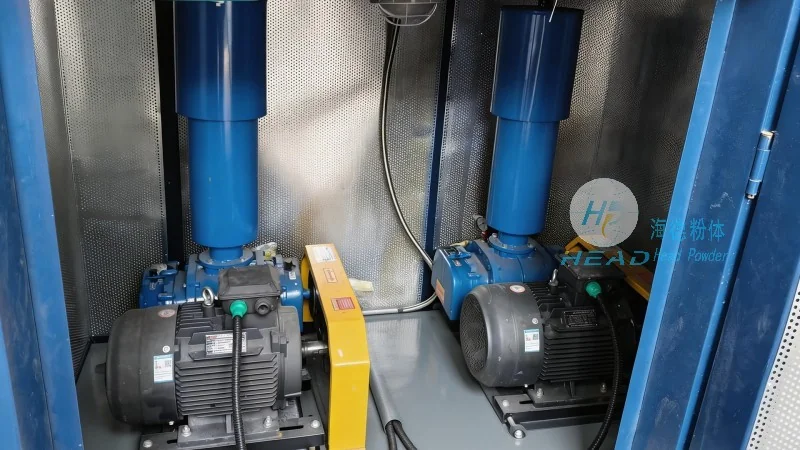
HeadPowder's approach to system design emphasizes the integration of advanced technology with practical engineering solutions. The company utilizes state-of-the-art computational fluid dynamics (CFD) and simulation tools to model the behavior of the ash particles within the conveying system, allowing for precise adjustments to air flow rates, pipeline dimensions, and component placement. This data-driven approach helps minimize energy consumption and reduces the risk of operational issues, such as blockages or equipment wear.
Furthermore, HeadPowder's systems are built with durability and maintenance in mind. High-quality materials, such as stainless steel and corrosion-resistant alloys, are used in the construction of pipelines, hoppers, and other components to withstand the harsh conditions associated with fly ash handling. The company also provides comprehensive after-sales support, including maintenance services, spare parts availability, and technical assistance, ensuring that clients can rely on their systems for long-term operation.