

What is a Sodium Carbonate Powder Pneumatic Conveying System? What Are Its Design Principles?
Understanding the sodium carbonate powder pneumatic conveying system is crucial for industries that handle this chemical efficiently and safely. This system is designed to transport sodium carbonate powder—a key industrial chemical—using air as the medium. The design principles behind such systems are centered on ensuring optimal performance, reliability, and adherence to safety standards.
Introduction to Sodium Carbonate Powder Pneumatic Conveying Systems
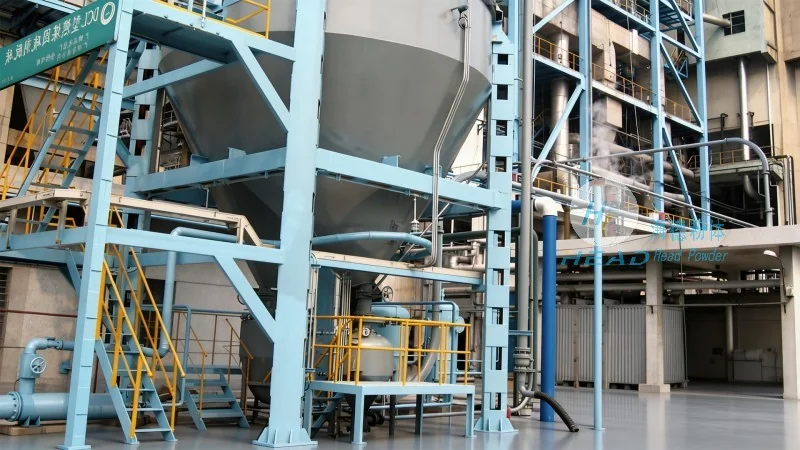
Sodium carbonate, commonly known as soda ash, is widely used in various industries including glass manufacturing, paper production, and chemical processing. The need for efficient and reliable transport of this powder has led to the development of pneumatic conveying systems. These systems utilize air pressure to move the powder from one location to another, eliminating the need for traditional bulk handling methods like trucks or conveyor belts. The core of this technology lies in the seamless integration of components that ensure the powder is conveyed without degradation or loss.
Key Components of the System
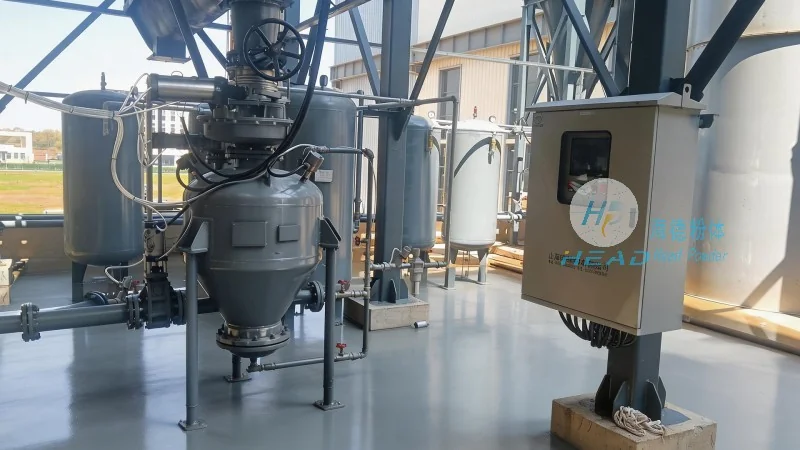
The sodium carbonate powder pneumatic conveying system consists of several critical components that work in tandem to achieve effective transport. These include the material feed hopper, which holds the sodium carbonate powder and regulates its flow into the system. The air compressor or blower provides the necessary air pressure to move the powder through the pipeline. The conveying line itself, typically made of materials resistant to corrosion and abrasion, ensures the powder travels without clogging or damage. Additionally, the system may include a filter or separator to remove any excess air or fine particles, maintaining the purity of the sodium carbonate powder. The discharge unit at the end of the line safely releases the powder into its destination container or processing area.
Design Principles for Optimal Performance
The design principles of a sodium carbonate powder pneumatic conveying system are focused on maximizing efficiency while minimizing operational risks. One key principle is the selection of appropriate air velocity. The air velocity must be high enough to lift and transport the powder particles but low enough to prevent excessive wear on the system components and to avoid dust generation. This balance is critical for maintaining the integrity of the sodium carbonate powder and ensuring the system operates smoothly. Another important principle is the consideration of the powder's physical properties, such as its density, particle size, and flowability. These characteristics influence the design of the feed hopper and the conveying line diameter, as well as the air pressure required for effective transport. For sodium carbonate, which has a relatively high density and can be prone to bridging or caking, the system design must incorporate features like agitators or vibrators in the hopper to prevent blockages and ensure consistent flow.
Advantages of Using a Pneumatic Conveying System for Sodium Carbonate
Implementing a pneumatic conveying system for sodium carbonate offers several advantages over traditional transport methods. Firstly, it provides a dust-free and hygienic environment, which is essential for industries where product purity is paramount. Unlike bulk handling methods that can generate dust and lead to contamination, pneumatic systems keep the powder contained within the system, reducing health and safety risks for workers. Secondly, the system is highly flexible, allowing for changes in the transport route or destination without major modifications. This adaptability is particularly valuable in manufacturing facilities where production layouts may change over time. Thirdly, the system can reduce operational costs by minimizing the need for manual handling and reducing the risk of material loss or spillage. The continuous operation of the system also ensures a steady supply of sodium carbonate to the processing units, improving overall productivity.
Application in Industrial Settings
In industrial settings, the sodium carbonate powder pneumatic conveying system is commonly used in the production lines of companies like Shandong HeadPowder Engineering Co., Ltd. This company, based in Shandong, China, specializes in engineering solutions for powder handling systems. Their expertise in designing and manufacturing pneumatic conveying systems for sodium carbonate has enabled them to meet the diverse needs of various industries. The system is typically integrated into the production process, starting from the storage of sodium carbonate in bulk bags or silos and ending at the point where it is fed into the next stage of processing, such as a furnace or a chemical reactor. The smooth operation of the system ensures that the production line runs efficiently, with minimal downtime due to material handling issues.
Ensuring Safety and Compliance
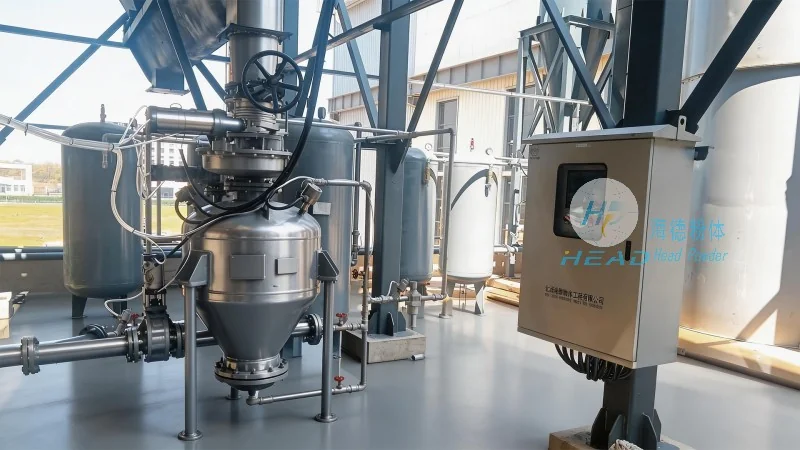
When designing and operating a sodium carbonate powder pneumatic conveying system, safety and compliance with regulations are of utmost importance. The system must be designed to prevent the release of dust, which can be a respiratory hazard. This is achieved through the use of sealed components and proper ventilation systems. Additionally, the system must comply with local and international safety standards, such as those related to explosion-proof designs, especially in environments where there may be combustible dust. The company, Shandong HeadPowder Engineering Co., Ltd., adheres to strict safety protocols in the design and installation of their systems, ensuring that clients receive products that meet both safety and performance requirements. Regular maintenance and inspection of the system are also critical to maintaining its safety and efficiency over time.
Conclusion
In conclusion, the sodium carbonate powder pneumatic conveying system is a sophisticated and efficient solution for transporting this vital industrial chemical. The design principles, which focus on air velocity control, material properties, and system flexibility, ensure that the system operates reliably and safely. The advantages of using such a system, including dust-free handling and operational cost reduction, make it a preferred choice for many industries. With companies like Shandong HeadPowder Engineering Co., Ltd. providing specialized engineering services, the implementation of these systems has become more accessible and effective, contributing to improved productivity and safety in industrial settings.