

What is the Pneumatic Conveying of Lithium Battery Cathode Material Powders? What are the Design Pri
Lithium battery cathode material powders are critical components in the production of modern energy storage devices. The efficient and reliable transportation of these powders from one processing stage to another is essential for maintaining high production rates and product quality. Pneumatic conveying systems have emerged as a preferred method for handling these fine powders due to their ability to transport materials in a closed system, minimizing contamination and dust exposure. This article explores the concept of pneumatic conveying for lithium battery cathode material powders and delves into the fundamental design principles that underpin such systems.
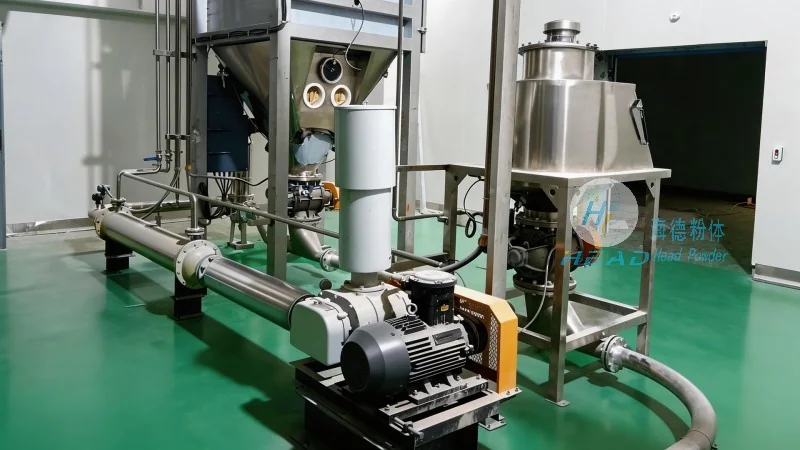
Introduction to Pneumatic Conveying of Lithium Battery Cathode Materials
Pneumatic conveying involves the use of air or other gases to transport bulk solid materials through a pipeline. In the context of lithium battery cathode material production, this technology is employed to move powders such as lithium cobalt oxide (LCO), lithium iron phosphate (LFP), or other composite cathode materials. The primary goal is to achieve safe, clean, and efficient material transfer without the need for mechanical components like belts or buckets, which could introduce contaminants or cause material degradation.
About Shandong HeadPowder Engineering Co., Ltd.
HeadPowder, or Shandong HeadPowder Engineering Co., Ltd., is a leading manufacturer specializing in engineering solutions for powder handling and material processing. With a focus on the lithium battery industry, the company provides customized pneumatic conveying systems tailored to the unique requirements of cathode material production. HeadPowder's expertise lies in designing systems that ensure optimal performance, reliability, and compliance with industry standards. The company is headquartered in Shandong, China, where it leverages local resources and advanced manufacturing capabilities to deliver high-quality solutions to clients worldwide.
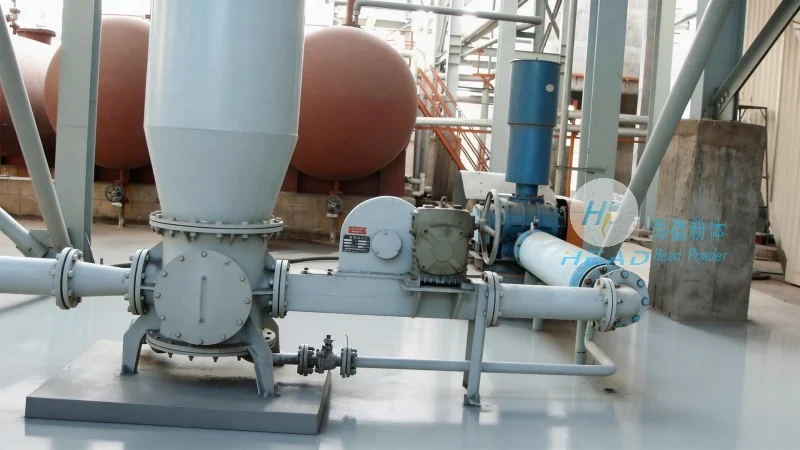
Design Principles of Pneumatic Conveying Systems for Cathode Materials
The design of a pneumatic conveying system for lithium battery cathode materials involves several key principles aimed at maximizing efficiency, minimizing energy consumption, and ensuring material integrity. The first principle is the selection of the appropriate conveying type, which can be categorized into dilute-phase or dense-phase systems. Dilute-phase systems use high velocities to transport materials in a suspended state, while dense-phase systems use lower velocities and higher pressure to move material in a plug flow. For cathode materials, dilute-phase systems are often preferred due to their ability to handle fine powders and maintain low pressure differentials.
A critical design consideration is the air-to-material ratio, which determines the velocity of the material particles within the pipeline. An optimal ratio ensures that the particles remain suspended without settling or clogging the system. The system design also includes components such as feeders, air movers (blowers or compressors), pipelines, and separation equipment. The feeders, typically rotary or vibratory, ensure a consistent flow of material into the conveying line. The air movers provide the necessary pressure and volume to transport the material, while the pipelines are designed with appropriate diameters and bends to minimize pressure loss and maintain material velocity.
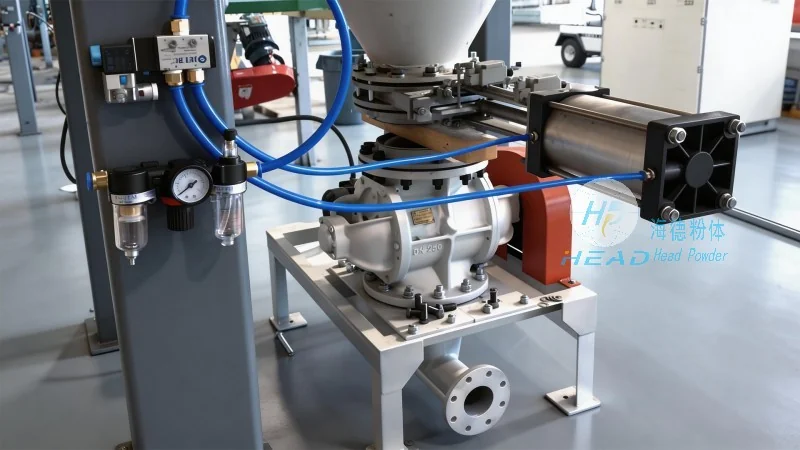
Key Design Factors for Reliable Cathode Material Conveying
Several factors must be carefully considered during the design of a pneumatic conveying system for lithium battery cathode materials. Material properties, such as particle size distribution, density, and moisture content, significantly impact system performance. Larger or heavier particles may require higher air velocities or pressure to ensure proper suspension. Additionally, the system must be designed to handle variations in material feed rates and flow conditions without compromising efficiency. The choice of materials for the pipeline and components is also crucial, as cathode materials can be abrasive and corrosive. Stainless steel or specialized coatings are often used to prevent wear and maintain system integrity over time.
System control and monitoring are essential for maintaining consistent performance. Modern pneumatic conveying systems incorporate sensors and control panels to adjust air flow, pressure, and material feed rates in real-time. This allows for dynamic adjustments based on production demands and ensures that the system operates within optimal parameters. Additionally, the system design should include features for material recovery and recycling, as any loss of cathode material can impact production efficiency and cost.
Advantages of Pneumatic Conveying for Lithium Battery Cathode Materials
Implementing a pneumatic conveying system for lithium battery cathode materials offers several advantages over traditional mechanical methods. The closed system design minimizes dust exposure, reducing health risks for operators and preventing contamination of other production areas. This is particularly important in cathode material processing, where even small amounts of contamination can affect battery performance. Additionally, pneumatic conveying systems can be integrated with other processing steps, such as mixing or drying, to create a seamless production line. This integration improves overall efficiency and reduces the need for manual handling, which can be labor-intensive and prone to errors.
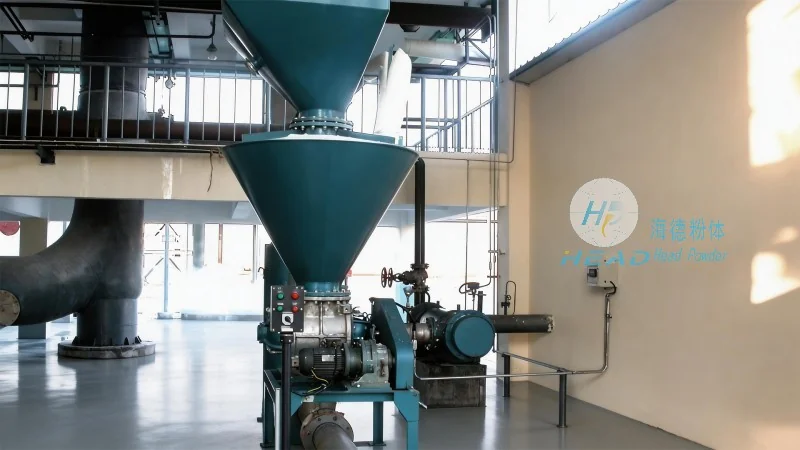
Another key advantage is the flexibility of pneumatic conveying systems. They can be easily scaled to accommodate changes in production volume or material types. For example, a system designed for LCO production can be adapted to handle LFP or other composite cathode materials with minimal modifications. This adaptability makes pneumatic conveying a cost-effective solution for manufacturers looking to expand their product lines or respond to market demands.
Conclusion
Pneumatic conveying of lithium battery cathode material powders is a critical technology in the modern battery manufacturing industry. The design principles and components of such systems are tailored to the unique properties of cathode materials, ensuring efficient, reliable, and safe material transfer. Companies like Shandong HeadPowder Engineering Co., Ltd. play a vital role in providing customized solutions that meet the specific needs of battery manufacturers. By leveraging advanced engineering and material handling expertise, these companies help ensure that the production of high-quality lithium batteries remains efficient and sustainable.