Wheat starch is a widely used industrial material in various sectors, including food processing, pharmaceuticals, and cosmetics. Efficient and reliable conveying of wheat starch is crucial for maintaining product quality and operational efficiency in production lines. This article explores common wheat starch conveying methods, with a focus on the advantages and applications of pneumatic conveying systems.
Understanding Wheat Starch and Its Conveying Challenges
Wheat starch is a fine, powdery substance derived from wheat grains, characterized by its high purity and low moisture content. Its fine particle size and hygroscopic nature make it susceptible to caking, bridging, and dust generation during handling. Conventional conveying methods, such as bucket elevators or belt conveyors, may struggle with these challenges due to the risk of material degradation and equipment blockages. Therefore, specialized conveying systems are often required to ensure safe and efficient transport of wheat starch.
Common Wheat Starch Conveying Methods
Several methods are employed for transporting wheat starch, each with its own advantages and limitations. The primary conventional methods include mechanical conveyors like screw conveyors and belt conveyors, which are suitable for moderate volumes and horizontal or slight incline transport. However, these systems may not be ideal for fine powders due to the risk of material degradation and the need for frequent maintenance. For larger or more complex production facilities, pneumatic conveying systems offer a more efficient solution.
Pneumatic Conveying: The Preferred Method for Wheat Starch
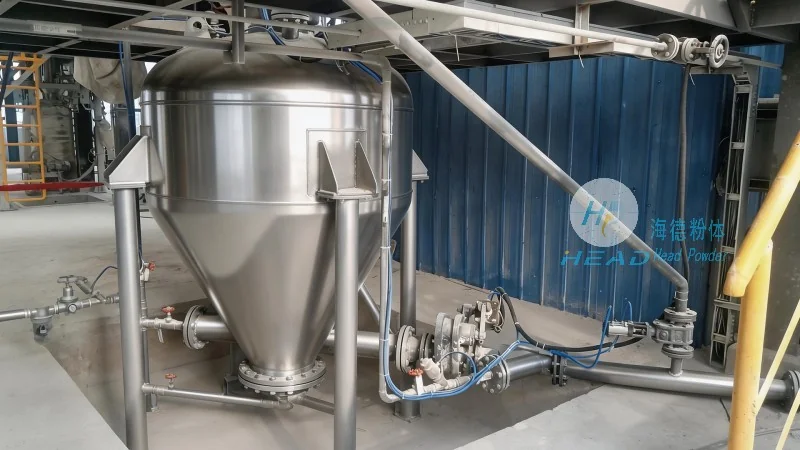
Pneumatic conveying, also known as air conveying, is a method that uses air to transport dry bulk materials like wheat starch through a pipeline. This technology is particularly effective for fine powders, as it minimizes material contact with equipment and reduces the risk of contamination. The system typically consists of a blower, a hopper, and a pipeline network, with optional components like cyclones or filters for material separation and air filtration.
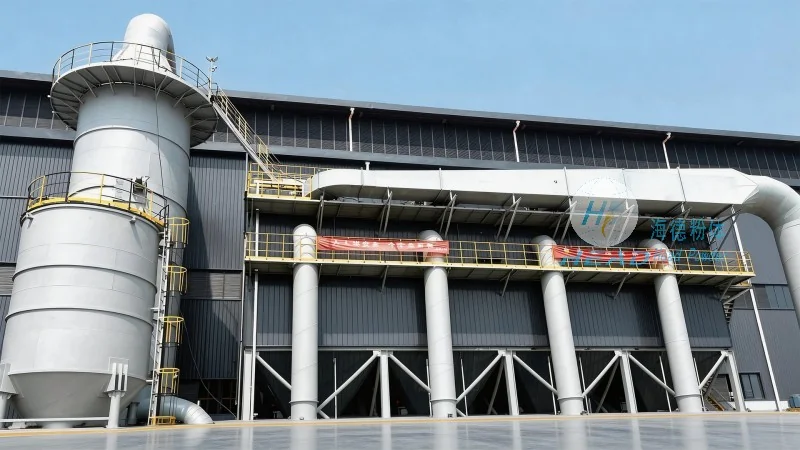
There are two main types of pneumatic conveying systems: pressure and vacuum. Pressure systems use compressed air to push the material through the pipeline, while vacuum systems use a vacuum to pull the material. For wheat starch, pressure systems are often preferred due to their ability to handle high volumes and long distances with minimal pressure loss. The choice between the two depends on the specific application, including the distance between the source and destination, the required flow rate, and the material's properties.
Advantages of Pneumatic Conveying for Wheat Starch
Compared to traditional mechanical conveyors, pneumatic conveying offers several key advantages for wheat starch transport. First, it provides a closed system, which prevents dust contamination and protects the product from environmental factors. This is critical for maintaining the purity and quality of wheat starch, which is often used in sensitive applications like food and pharmaceuticals. Second, pneumatic systems are highly flexible, allowing for easy integration with existing production lines and the ability to transport materials to multiple destinations from a single source.
Third, pneumatic conveying reduces material degradation and loss. The fine particles of wheat starch are less likely to break or degrade during transport compared to mechanical systems, which can cause abrasion and attrition. Additionally, the closed system minimizes the risk of material spillage and waste, improving overall operational efficiency and reducing costs. Finally, pneumatic systems are relatively low maintenance, as they have fewer moving parts compared to mechanical conveyors, leading to lower downtime and operational costs.
Applications of Wheat Starch Pneumatic Conveying
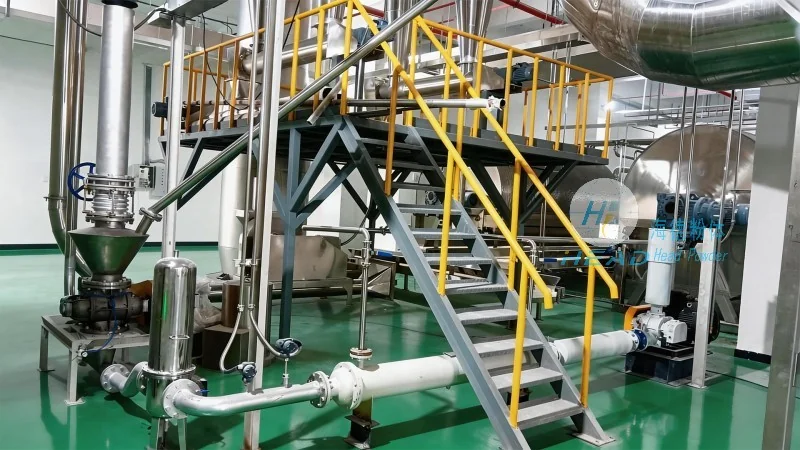
Wheat starch pneumatic conveying is widely used in various industries, including food processing, where it is used in the production of starch-based products like noodles, pastas, and sauces. In the pharmaceutical industry, pneumatic conveying is used to transport starch as an excipient in tablet formulations, ensuring consistent quality and purity. The cosmetics industry also utilizes wheat starch in the production of powders and creams, where the closed system prevents contamination and maintains product integrity.
In industrial settings, pneumatic conveying systems are often integrated with other processing equipment, such as mixers, dryers, and packaging machines. This integration allows for a seamless flow of materials from one stage to the next, improving overall production efficiency. For example, in a starch processing plant, the pneumatic system can transport raw wheat starch from storage silos to a grinding unit, then to a drying system, and finally to a packaging line, all without manual handling or material loss.
Choosing the Right Pneumatic Conveying System for Wheat Starch
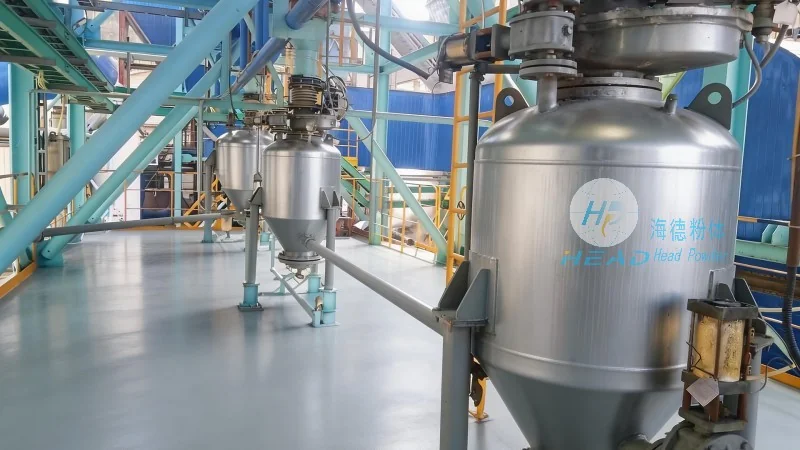
When selecting a pneumatic conveying system for wheat starch, several factors must be considered to ensure optimal performance and efficiency. The first consideration is the material's properties, including particle size, moisture content, and flowability. Wheat starch is a fine powder with a relatively low bulk density, which affects the system's design and operation. The second factor is the required flow rate and distance between the source and destination. For short distances and low flow rates, a simple pressure system may suffice, while longer distances or higher flow rates may require more complex systems with multiple stages or larger blower capacity.
The third consideration is the system's integration with existing equipment and production lines. The chosen system should be compatible with the plant's layout and operational requirements, minimizing the need for major modifications or disruptions. Additionally, the system's maintenance and operational costs should be evaluated to ensure long-term cost-effectiveness. It is recommended to consult with experienced suppliers, such as Shandong HeadPowder Engineering Co., Ltd., to assess the specific needs and select the most suitable pneumatic conveying solution for wheat starch transport.
Conclusion
Efficient conveying of wheat starch is essential for maintaining product quality and operational efficiency in various industries. While conventional mechanical methods may be suitable for some applications, pneumatic conveying systems offer superior performance, especially for fine powders like wheat starch. The advantages of closed systems, reduced material degradation, and flexibility make pneumatic conveying the preferred method for many production facilities. By selecting the right pneumatic conveying system, companies can ensure safe, reliable, and cost-effective transport of wheat starch, supporting their production goals and maintaining product quality.




