Efficiently transporting bulk powders, such as paprika, is a critical challenge in many industrial processes. Traditional methods like manual handling or mechanical conveyors often lead to inefficiencies, contamination, and increased operational costs. Pneumatic conveying offers a modern solution that leverages air flow to move powders with precision and reliability. This article explores the principles and applications of pneumatic conveying systems, specifically tailored for the efficient handling of paprika and similar fine particles.
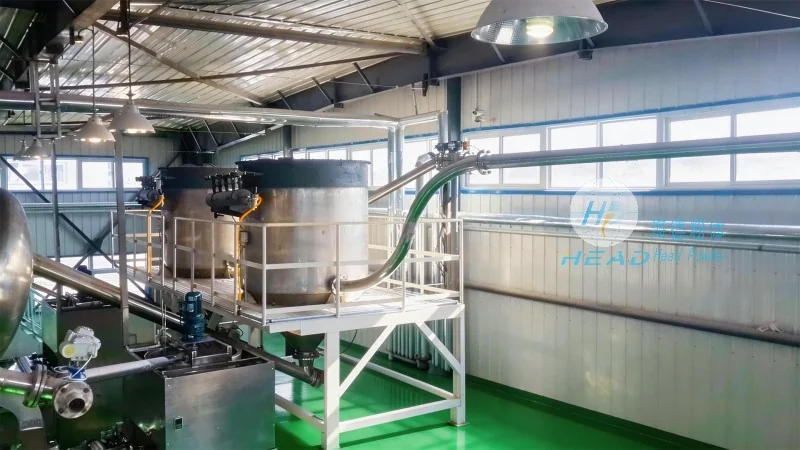
Understanding Pneumatic Conveying Systems
Pneumatic conveying systems use compressed air or gas to transport bulk materials through a pipeline. The technology is widely used in industries like food processing, pharmaceuticals, and chemical manufacturing due to its ability to handle delicate materials without damage. There are two primary types of pneumatic conveying: pressure and vacuum systems. Pressure systems use positive pressure to push material through the line, while vacuum systems use negative pressure to pull material. For paprika, a pressure system is often preferred as it can handle high volumes and maintain product integrity.
Key Components of a Pneumatic Conveying System
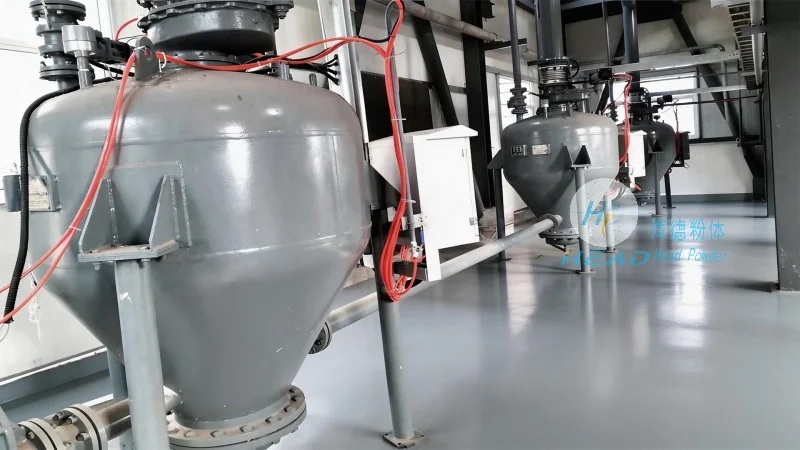
At the heart of any pneumatic conveying system are several key components that work in tandem to ensure smooth operation. The main components include a blower or compressor to generate the necessary air pressure, a hopper or feeder to introduce the material, a pipeline network to transport the material, and a receiver or silo to collect the material at the destination. Each component plays a crucial role in maintaining the efficiency and effectiveness of the system. For example, the feeder must be designed to handle the specific characteristics of paprika, such as its fine particle size and potential for caking, to prevent blockages and ensure consistent flow.
Advantages of Pneumatic Conveying for Paprika Handling
Implementing a pneumatic conveying system for paprika offers numerous advantages over traditional methods. One of the most significant benefits is the ability to maintain product purity and quality. Since the material is never in direct contact with external surfaces or contaminants, the risk of cross-contamination is minimized. This is particularly important for food-grade products like paprika, where hygiene standards are paramount. Additionally, pneumatic conveying systems can reduce labor costs and improve safety by automating the material handling process. The enclosed pipeline system eliminates the need for manual handling, reducing the risk of dust exposure and workplace accidents.
Applications in the Food Industry
Paprika is a staple ingredient in many culinary applications, from sauces and spices to baked goods. The efficient transport of paprika is essential for maintaining production line speed and consistency. Pneumatic conveying systems are commonly used in paprika processing facilities to move raw paprika from storage silos to processing equipment, such as grinding mills or color extraction units. The ability to handle large volumes of material quickly and reliably ensures that production lines can operate at optimal capacity without bottlenecks. Furthermore, the system's ability to maintain product temperature and moisture levels is critical for preserving the flavor and color of paprika, which are key selling points for food manufacturers.
Customization and Scalability
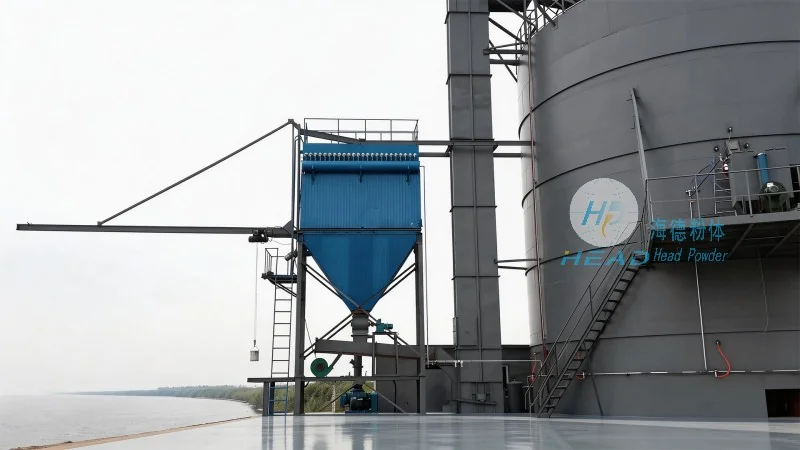
Shandong HeadPowder Engineering Co., Ltd., a leading provider of bulk material handling solutions, specializes in designing and manufacturing customized pneumatic conveying systems tailored to the specific needs of clients. Based in Shandong, China, the company leverages decades of experience in the industry to deliver high-quality, reliable systems that meet the demands of modern production environments. The company's team of engineers works closely with clients to understand their unique requirements, such as material characteristics, production volumes, and operational constraints, to design a system that maximizes efficiency and minimizes downtime. Whether for small-scale operations or large industrial facilities, HeadPowder offers scalable solutions that can be easily expanded as production needs grow.
Maintenance and Longevity
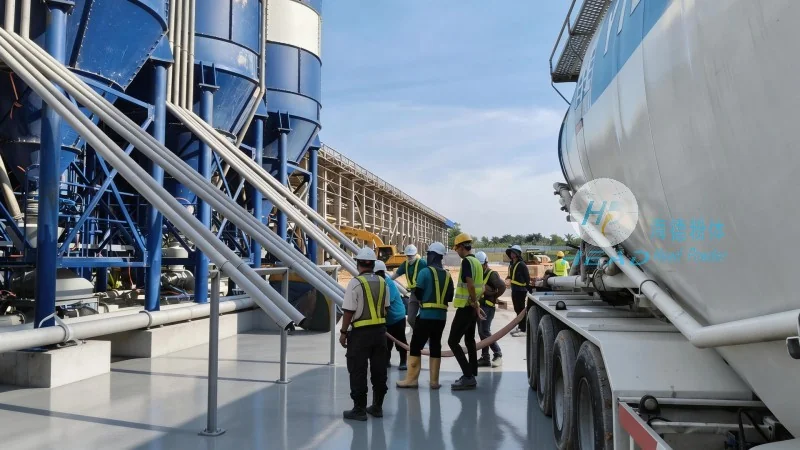
Proper maintenance is essential to ensure the longevity and performance of a pneumatic conveying system. Regular inspections of components like the blower, feeder, and pipeline are necessary to identify and address potential issues before they become major problems. For paprika, which can be abrasive and prone to caking, it is important to use materials that are resistant to wear and corrosion, such as stainless steel or specialized coatings. HeadPowder provides comprehensive maintenance services to clients, including routine checks, component replacement, and system upgrades, to ensure that their equipment operates at peak performance. By investing in proper maintenance, clients can extend the lifespan of their system and reduce the risk of costly breakdowns.
Conclusion
Pneumatic conveying is a highly effective method for efficiently transporting paprika and other fine powders. By leveraging air flow to move material through an enclosed pipeline system, companies can achieve significant improvements in productivity, product quality, and safety. With the expertise of companies like Shandong HeadPowder Engineering Co., Ltd., businesses can implement customized pneumatic conveying systems that are tailored to their specific needs, ensuring optimal performance and long-term success. As the demand for efficient material handling solutions continues to grow, pneumatic conveying remains a reliable and sustainable choice for industries worldwide.




