PP (polypropylene) is a widely used thermoplastic polymer known for its excellent chemical resistance, high strength, and low density. In industrial applications, PP material handling often requires efficient and reliable conveying solutions. Pneumatic conveying systems offer a flexible and effective method for transporting PP powders, granules, or pellets from one location to another. This article provides an overview of the classification and key components of PP pneumatic conveying systems, highlighting the technology's applications and the role of specialized engineering companies in delivering tailored solutions.
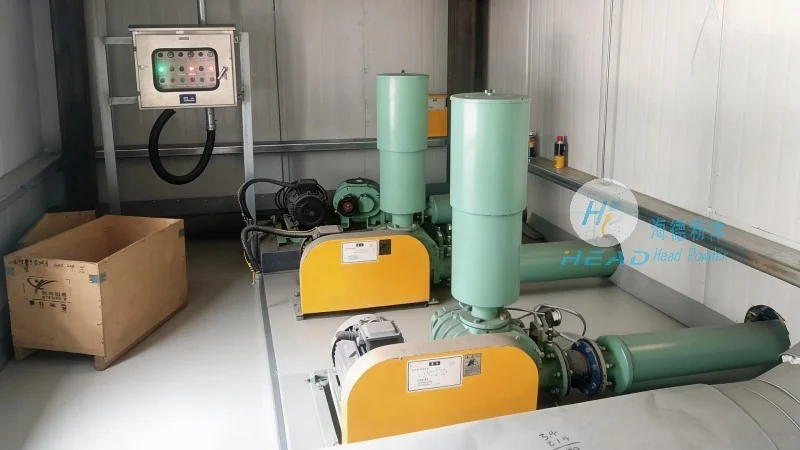
Classification of PP Pneumatic Conveying Systems
PP pneumatic conveying systems can be categorized based on several factors, including the conveying medium, system pressure, and material handling requirements. The primary classifications include: positive pressure systems, negative pressure (vacuum) systems, and combination (closed loop) systems. Each type is designed to address specific material characteristics and operational needs.
1. Positive Pressure Systems: These systems utilize a blower or compressor to generate positive pressure, pushing the material through the pipeline. They are ideal for transporting fine powders and are commonly used when long-distance transport or material sensitivity to negative pressure is a concern. The positive pressure ensures continuous material movement, preventing clogging and maintaining consistent flow rates.
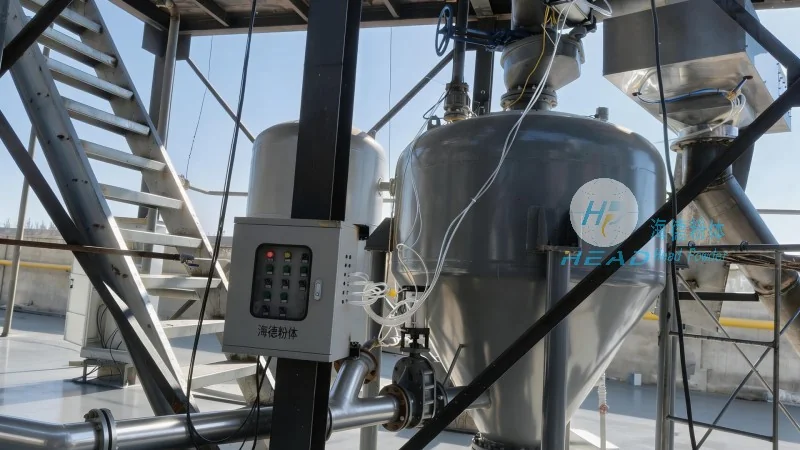
2. Negative Pressure (Vacuum) Systems: In contrast, negative pressure systems create a vacuum to draw material from a hopper or storage bin into the conveying line. This method is particularly suitable for handling dusty or fine powders where dust control and hygiene are critical. The vacuum helps to minimize airborne contamination and maintain a clean working environment, making it suitable for industries like pharmaceuticals, food, and chemicals.
3. Combination (Closed Loop) Systems: Some applications may require a blend of positive and negative pressure to optimize material transport. These systems use a blower to push material from the source and a vacuum to draw it into the receiver, creating a closed loop that minimizes material loss and energy consumption. This approach is effective for long-distance or high-capacity conveying tasks.
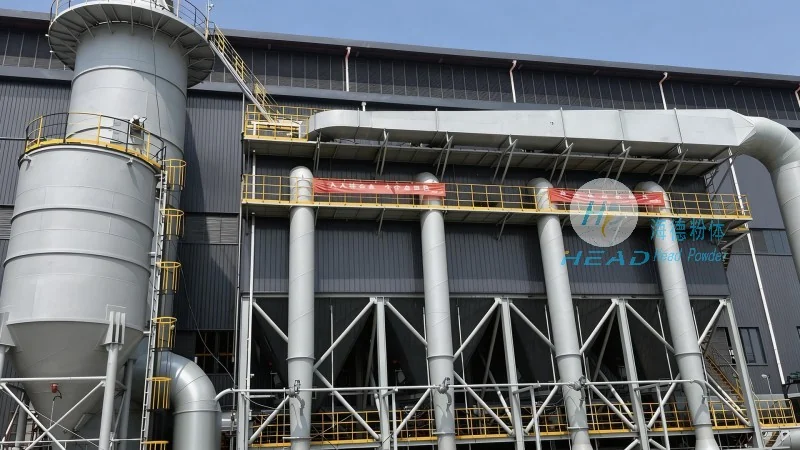
Key Components of PP Pneumatic Conveying Systems
Regardless of the system classification, PP pneumatic conveying systems consist of several essential components that work in unison to ensure efficient material transport. The main components include the feeder, conveying pipeline, blower or vacuum pump, receiver or discharge unit, and the control system.
1. Feeder: The feeder is responsible for controlling the flow rate of the PP material into the conveying line. For powders and granules, a rotary valve or screw feeder is typically used to provide a consistent and controlled feed. This component ensures that the material is introduced at a steady rate, preventing overloading or underloading of the system and maintaining stable flow conditions.
2. Conveying Pipeline: The pipeline serves as the main pathway for transporting the PP material. It is usually constructed from stainless steel or other corrosion-resistant materials to withstand the chemical properties of PP and prevent material degradation. The pipeline is designed with appropriate bends and elbows to maintain the flow velocity and prevent material accumulation or clogging, ensuring smooth and continuous transport.
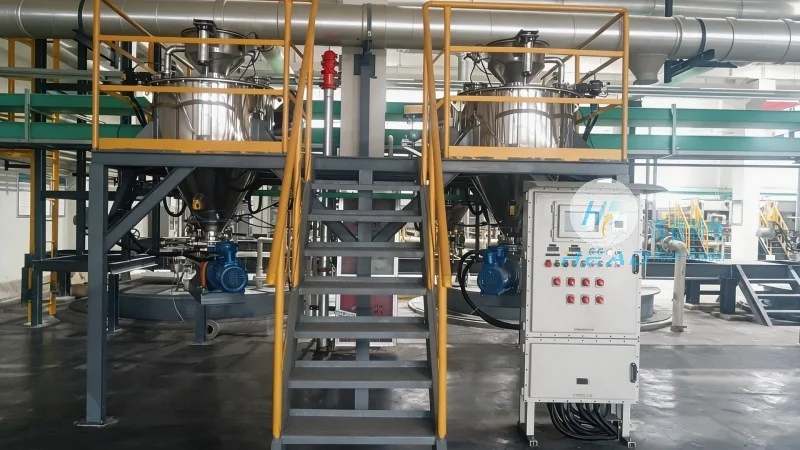
3. Blower or Vacuum Pump: The blower or vacuum pump provides the necessary pressure or vacuum to move the material through the pipeline. For positive pressure systems, a high-pressure blower is employed to generate sufficient airflow, while negative pressure systems rely on a vacuum pump to create the suction force. The selection of the blower depends on the material characteristics, conveying distance, and system pressure requirements, ensuring optimal performance and energy efficiency.
4. Receiver or Discharge Unit: The receiver is the final component where the PP material is deposited. It is designed to handle the material's characteristics, such as dustiness or moisture content, and may include features like a dust filter or a discharge valve to control the release of the material. The receiver is typically equipped with a hopper or bin to store the conveyed material until it is further processed or packaged, ensuring a smooth transition to downstream operations.




