

What is Dry Flue Gas Desulfurization Fly Ash Powder Pneumatic Conveying? And What Are the Design Pri
Dry flue gas desulfurization (FGD) is a critical process in power plants and industrial facilities to reduce sulfur dioxide emissions. The process generates a byproduct known as fly ash, which is a fine powder. Efficiently transporting this fly ash is essential for its reuse or disposal. Pneumatic conveying is a widely used method for handling such powders, and understanding the technology and its design principles is vital for optimizing system performance.
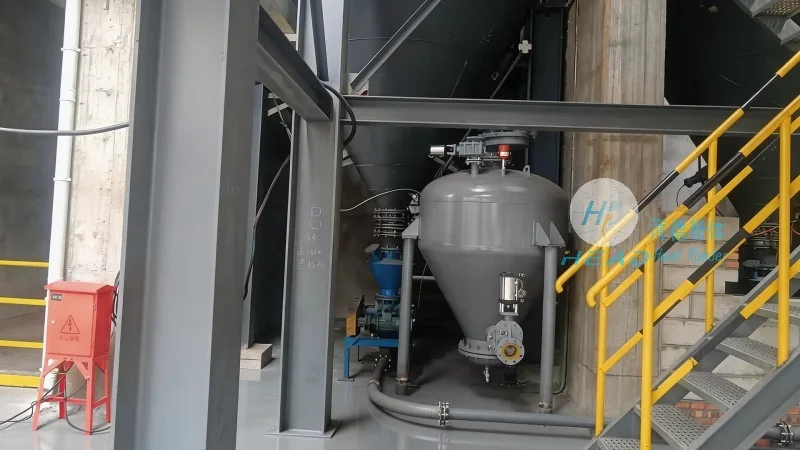
Understanding Dry Flue Gas Desulfurization Fly Ash Powder Pneumatic Conveying
Dry FGD systems use limestone or other alkaline substances to scrub sulfur dioxide from flue gases. The resulting fly ash is a fine, dry powder that can be challenging to transport due to its particle size and properties. Pneumatic conveying systems use air or other gases to move the fly ash through pipelines, eliminating the need for mechanical components like belts or buckets. This method is particularly suitable for fly ash because it can handle high volumes of fine particles over long distances with minimal maintenance.
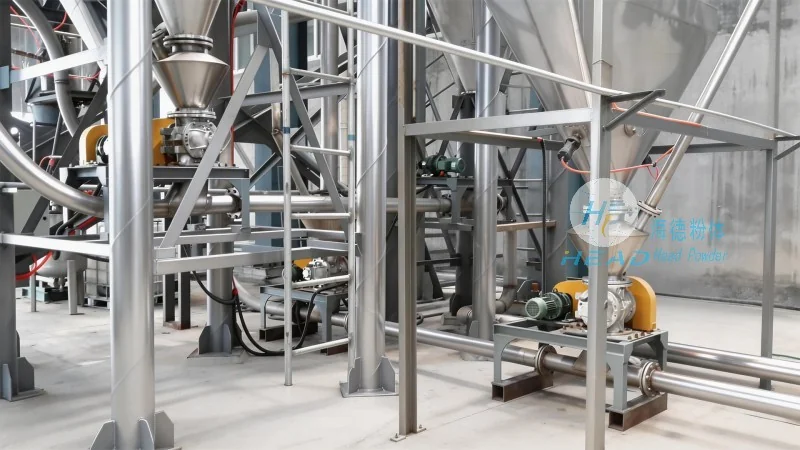
Key Components and Working Principle
A typical pneumatic conveying system for dry FGD fly ash includes several key components. The system starts with a material feeder, which can be a rotary valve or a screw feeder, designed to feed the fly ash into the conveying line at a controlled rate. The feeder is connected to a pipeline where compressed air or gas is introduced. The air flow creates a negative pressure or positive pressure environment, depending on the system design, to pull or push the fly ash particles along the pipeline. The system may include a series of pipelines, bends, and elbows to direct the material to the destination, such as a storage silo or a disposal site. At the end of the line, a separator or cyclone is used to separate the fly ash from the air stream, allowing the air to be filtered and released while the ash is collected.
Design Principles for Efficient Pneumatic Conveying Systems
Designing an efficient pneumatic conveying system for dry FGD fly ash involves several critical principles. First, the system must be designed to handle the specific properties of the fly ash, including its particle size distribution, moisture content, and density. The particle size is crucial because smaller particles require higher air velocities to maintain suspension. The system's pressure and velocity must be optimized to prevent particle segregation or blockages. The pipeline diameter and length are also important factors; larger diameters reduce friction losses but increase cost, while longer distances may require intermediate boosters or larger air volumes. Material selection for the pipeline and components is essential to prevent corrosion or abrasion from the fly ash particles. Additionally, the system must be equipped with proper controls to regulate the flow rate and pressure, ensuring smooth operation and preventing overloading or underloading.
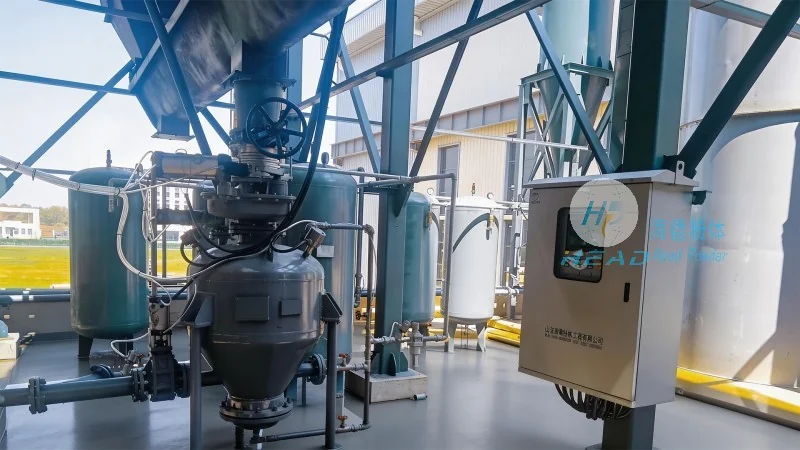
The Role of Shandong HeadPowder Engineering Co., Ltd.
Shandong HeadPowder Engineering Co., Ltd., a leading company based in Shandong, China, specializes in the design, manufacturing, and installation of pneumatic conveying systems for industrial applications. With years of experience in the field, the company has developed expertise in handling dry FGD fly ash and other fine powders. The company's engineers work closely with clients to understand their specific requirements, including the volume of fly ash to be transported, the distance of the pipeline, and the destination of the material. Based on this information, they design customized systems that meet the highest standards of efficiency and reliability. The company uses advanced technologies and materials to ensure that its systems can withstand the harsh conditions of fly ash, including high temperatures and abrasive particles. Shandong HeadPowder Engineering Co., Ltd. also provides comprehensive after-sales support, including maintenance and troubleshooting services, to ensure that the systems operate at peak performance throughout their service life.