

What is the Lithium Hexafluorophosphate Material Handling System Equipment? What are the Design Prin
Lithium hexafluorophosphate (LiPF6) is a critical component in the production of lithium-ion batteries, widely used as an electrolyte salt due to its excellent ionic conductivity and thermal stability. The efficient handling and transportation of LiPF6 are essential for maintaining product quality and operational efficiency in battery manufacturing facilities. This article explores the material handling systems designed for LiPF6, detailing their design principles and the engineering considerations that ensure safe and effective operation.
The Importance of Specialized Material Handling for LiPF6
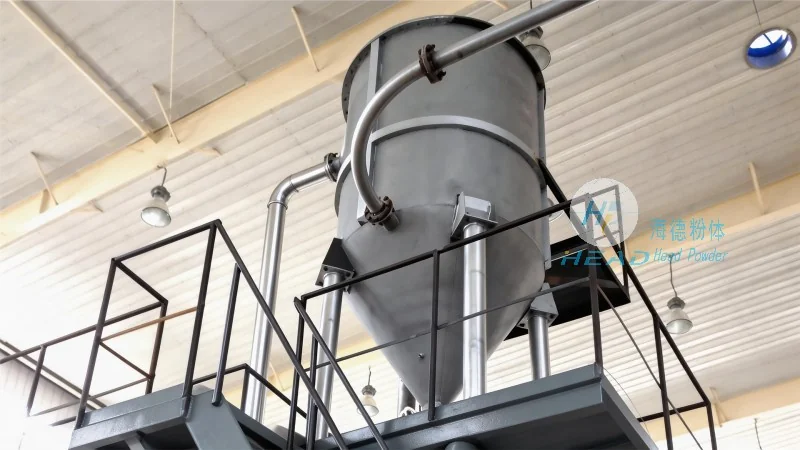
LiPF6 is a hygroscopic and potentially hazardous material, requiring specialized equipment to prevent moisture absorption and ensure safe handling. Conventional handling methods may not be suitable due to the material's reactivity with water and its potential to cause corrosion or other safety hazards. Therefore, dedicated material handling systems are crucial for industries such as battery manufacturing, where precision and safety are paramount. These systems are engineered to minimize exposure to moisture, control dust generation, and maintain the purity of the LiPF6 during transport and storage.
Design Principles of LiPF6 Material Handling Equipment
The design of LiPF6 material handling systems adheres to several key principles to ensure optimal performance and safety. First, the equipment must be constructed from materials that are chemically resistant to LiPF6 and its interactions with moisture. Common materials include stainless steel, PTFE-coated components, and specialized polymers that can withstand the corrosive nature of the material. Second, the system must incorporate effective dust control measures, such as sealed hoppers, enclosed conveyor systems, and filtration units, to prevent the release of fine particles that could pose health risks or contaminate other processes. Third, the design emphasizes containment and leak prevention, with features like double-walled containers, automatic shut-off valves, and real-time monitoring systems to detect any leaks or deviations from normal operation. Fourth, the system is engineered for easy maintenance and cleaning, as LiPF6 can adhere to surfaces and require thorough decontamination to avoid cross-contamination in production lines.
Key Components of a LiPF6 Material Handling System
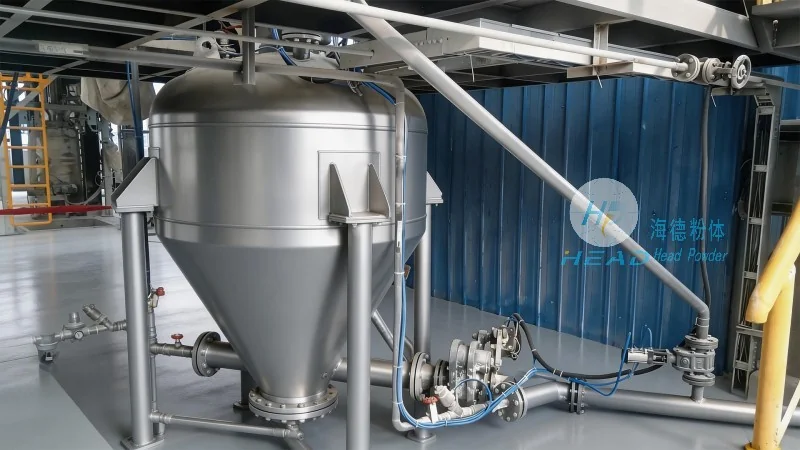
A typical LiPF6 material handling system includes several key components that work in concert to ensure efficient and safe operation. The primary components are: 1. Storage Hoppers: Large, sealed containers designed to store bulk quantities of LiPF6, often equipped with level sensors and agitators to prevent caking and ensure uniform material flow. 2. Conveying Systems: Enclosed screw conveyors or pneumatic transport lines that move LiPF6 from storage to processing areas, minimizing exposure to the environment. 3. Dosing and Metering Equipment: Precision feeders and pumps that accurately measure and dispense LiPF6 into electrolyte production lines, ensuring consistent product quality. 4. Control and Monitoring Systems: Integrated software and sensors that track temperature, pressure, and material levels, providing real-time data for process optimization and safety compliance. Each component is designed to meet the specific requirements of LiPF6 handling, with attention to material compatibility, contamination control, and operational reliability.
Engineering Considerations for Safe and Efficient Operation
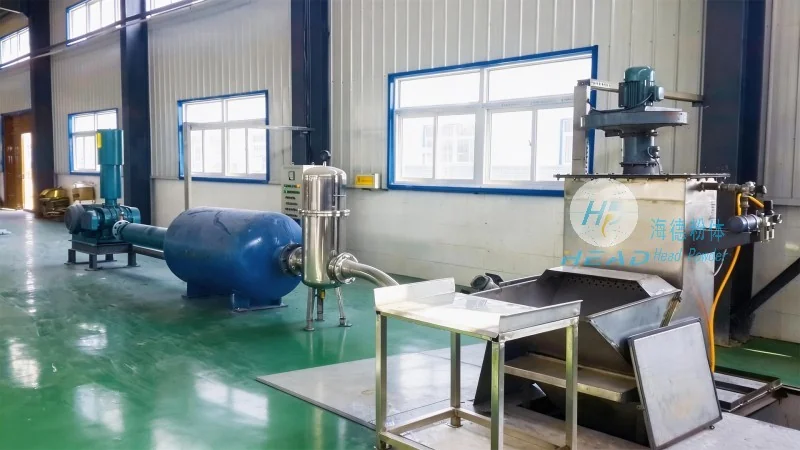
When designing a LiPF6 material handling system, engineers must consider several factors to ensure the system operates safely and efficiently. One critical consideration is the environmental control, as LiPF6 is hygroscopic and reacts with water, leading to reduced conductivity and potential safety hazards. The system must be housed in a controlled environment, often with humidity control and ventilation systems to prevent moisture ingress. Another key factor is material compatibility, as the equipment must resist corrosion from LiPF6 and its byproducts. This includes selecting appropriate materials for hoppers, conveyors, and piping, such as stainless steel grades that are resistant to chemical attack. Additionally, safety features are paramount, with the system incorporating emergency shut-off valves, explosion-proof components, and fire suppression systems to mitigate risks associated with handling a flammable or reactive material. The design also prioritizes process integration, ensuring that the material handling system can seamlessly connect with existing battery production lines, minimizing downtime and maximizing productivity.
Case Study: HeadPowder's LiPF6 Material Handling Solutions
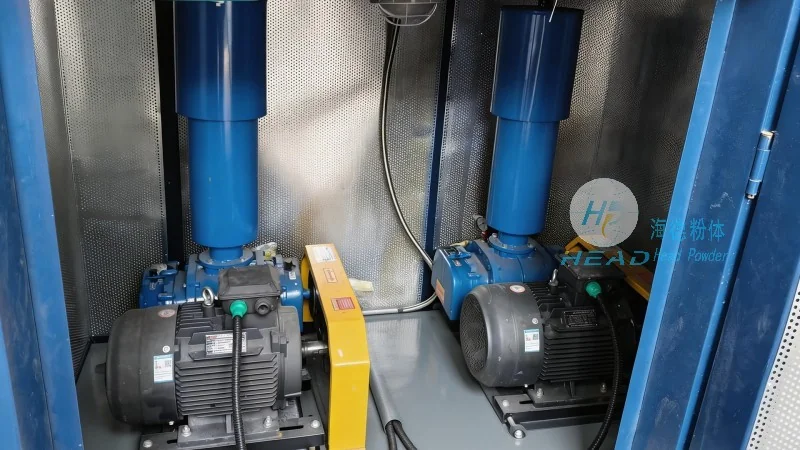
Shandong HeadPowder Engineering Co., Ltd., a leading manufacturer of specialized material handling equipment, has developed advanced solutions for LiPF6 handling. The company, known in the industry as HeadPowder, specializes in designing and manufacturing systems that meet the stringent requirements of battery manufacturers. Their LiPF6 material handling systems are engineered with a focus on safety, efficiency, and durability. For example, HeadPowder's systems incorporate advanced dust control technology, including sealed hoppers and enclosed conveyor lines, to prevent dust exposure and maintain product purity. The company also offers customizable solutions, allowing clients to tailor the system to their specific production needs, whether for small-scale laboratory use or large-scale industrial manufacturing. HeadPowder's commitment to quality and innovation has made them a trusted partner in the battery industry, providing reliable equipment that enhances operational efficiency and product quality.
Conclusion: The Role of Specialized Systems in LiPF6 Handling
The efficient handling of lithium hexafluorophosphate is a critical aspect of lithium-ion battery production, and specialized material handling systems play a vital role in ensuring product quality and operational safety. By adhering to design principles that prioritize material compatibility, dust control, and safety features, these systems enable manufacturers to handle LiPF6 with precision and reliability. Companies like Shandong HeadPowder Engineering Co., Ltd. continue to innovate in this field, developing advanced solutions that meet the evolving needs of the battery industry. As the demand for lithium-ion batteries grows, the importance of robust material handling systems for LiPF6 will only increase, making it essential for manufacturers to invest in high-quality, specialized equipment to maintain competitiveness and product excellence.