

What is a Glass Fiber Material Handling System Equipment? What Are Its Design Principles?
For industrial operations that involve the transportation and processing of glass fiber materials, specialized equipment is essential to ensure efficiency, safety, and consistent performance. This article explores the concept of glass fiber material handling systems, detailing the equipment used and the fundamental design principles that govern their operation.
Understanding Glass Fiber Material Handling Systems
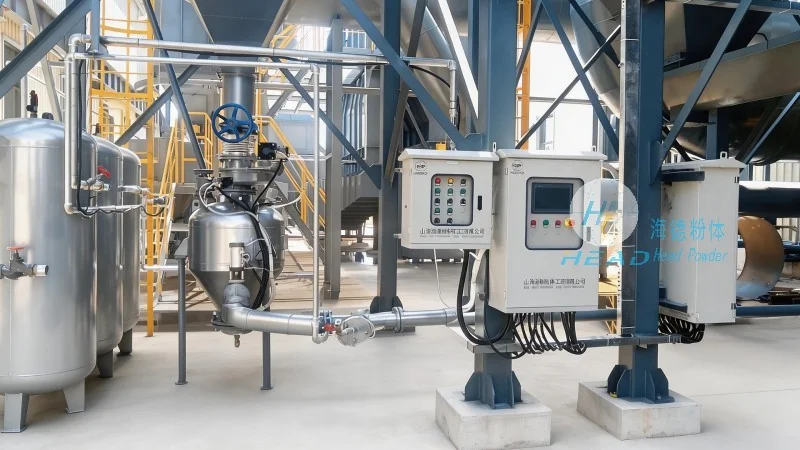
Glass fiber material handling systems are engineered solutions designed to move, store, and manage glass fiber materials throughout various stages of production or processing. These systems are critical in industries such as composites manufacturing, construction, and automotive, where glass fiber is used to reinforce materials for strength and durability. The equipment within these systems is tailored to handle the unique properties of glass fiber, including its lightweight yet strong nature, as well as its tendency to generate static electricity and be prone to dust accumulation. Such systems are commonly developed and manufactured by companies like Shandong HeadPowder Engineering Co., Ltd., which specializes in providing customized material handling solutions for diverse industrial applications.
Key Components of Glass Fiber Material Handling Equipment
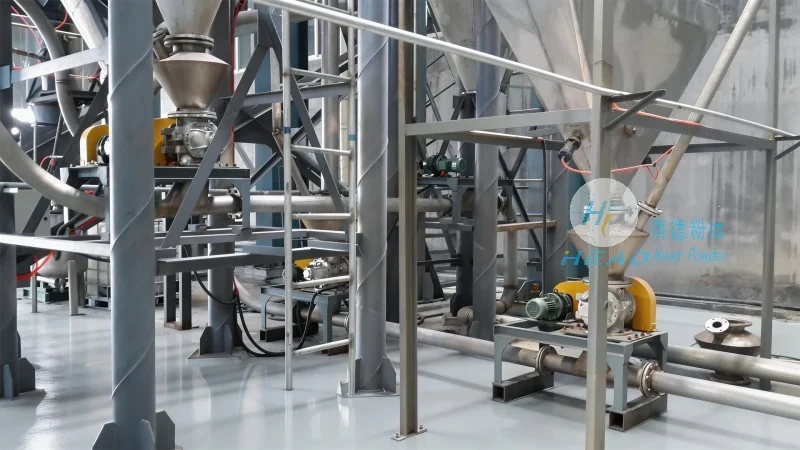
The core components of a glass fiber material handling system typically include feeders, conveyors, storage silos, and processing units. Each component plays a vital role in the overall workflow. For instance, feeders are used to introduce glass fiber into the system, often in the form of roving or chopped strands, and ensure a consistent flow rate. Conveyors, such as belt or screw conveyors, transport the material from one stage to another, while storage silos provide a controlled environment for material accumulation before further processing. Processing units may include mixers, cutters, or extruders, depending on the specific application.
Design Principles for Glass Fiber Material Handling Systems
The design of glass fiber material handling systems is guided by several key principles to optimize performance and minimize operational risks. One primary principle is the prevention of material degradation and contamination. Glass fiber is sensitive to moisture, dust, and mechanical damage, so systems are designed with sealed enclosures and proper ventilation to maintain a clean environment. Additionally, the equipment is constructed from materials that are compatible with glass fiber, such as stainless steel or specialized plastics, to avoid chemical reactions or contamination.
Another critical design principle is the management of static electricity. Glass fiber is a poor conductor, which can lead to static buildup that may cause sparks or attract dust. To mitigate this, systems incorporate grounding mechanisms and anti-static materials in the equipment. This ensures safe operation and prevents material loss due to static attraction.
Efficiency and Scalability in System Design
Efficiency and scalability are also central to the design of glass fiber material handling systems. The systems are engineered to handle varying material volumes and processing speeds, allowing for flexibility in production. This is achieved through adjustable feed rates, modular components, and automated controls that can adapt to changing production demands. Moreover, the design emphasizes energy efficiency, with features like variable speed drives and optimized conveyor systems to reduce power consumption while maintaining performance.
Safety Considerations in Equipment Design
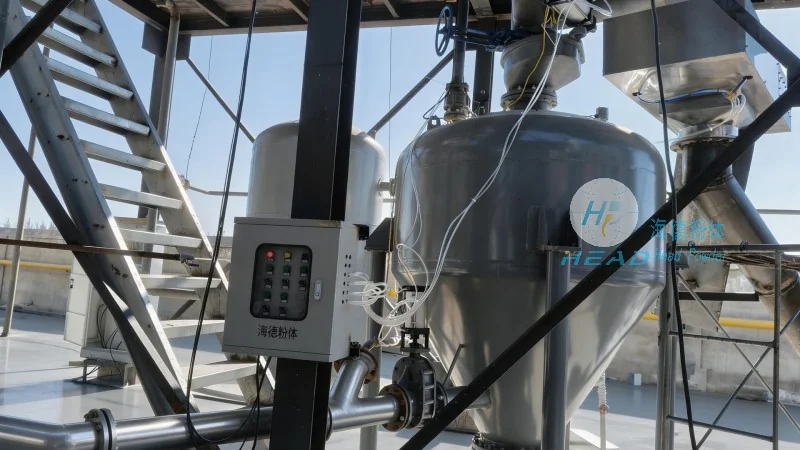
Safety is a paramount consideration in the design of glass fiber material handling equipment. The systems are equipped with safety features such as emergency stop buttons, interlocked access panels, and protective guards to prevent accidents. Additionally, the equipment is designed to minimize dust exposure, as glass fiber dust can be hazardous to human health. This includes the use of dust collection systems and enclosed processing areas to maintain a safe working environment.
Conclusion
Glass fiber material handling systems are sophisticated pieces of equipment that play a vital role in modern industrial operations. By understanding the key components and design principles, businesses can select and implement systems that enhance productivity, ensure safety, and maintain the quality of glass fiber materials. As technology advances, these systems continue to evolve, incorporating more advanced materials and automation to meet the demands of an ever-changing industrial landscape. Companies like Shandong HeadPowder Engineering Co., Ltd. are at the forefront of developing such innovative solutions, catering to the diverse needs of industries that rely on glass fiber materials.