Understanding the fundamental aspects of glass waste pneumatic conveying is crucial for industries dealing with post-consumer or post-industrial glass materials. This method of material handling leverages air to transport glass waste, offering a flexible and efficient alternative to traditional bulk handling methods. The process involves generating a flow of air within a closed system, which then carries the glass particles through pipelines to a designated collection or processing point.
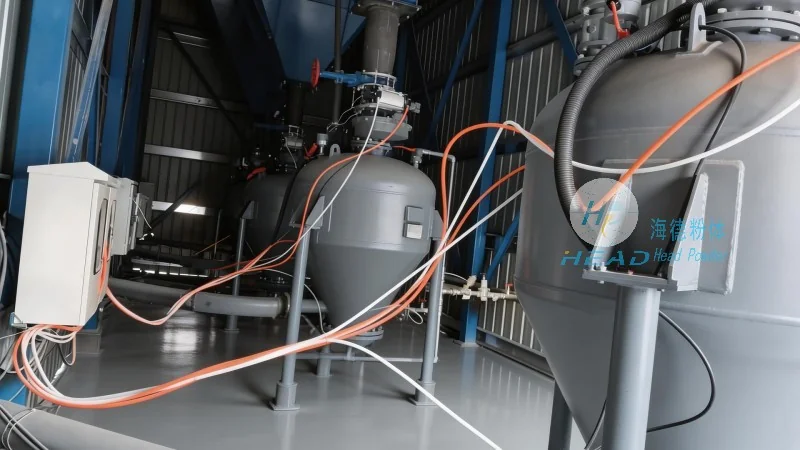
Core Design Principles of Glass Waste Pneumatic Conveying Systems
The design of a glass waste pneumatic conveying system is governed by several key principles that ensure optimal performance, reliability, and efficiency. These principles are tailored to the unique characteristics of glass waste, such as its abrasive nature, varying particle sizes, and potential moisture content. A well-designed system must account for factors like the material's density, flowability, and the distance it needs to be transported.
Firstly, the selection of the conveying method—whether it's a pressure or vacuum system—depends on the specific application. Pressure systems are typically used for short to medium distances and require higher air pressure, while vacuum systems are suitable for longer distances or when material needs to be drawn from multiple sources. The choice of system directly impacts the energy consumption and overall cost of operation.
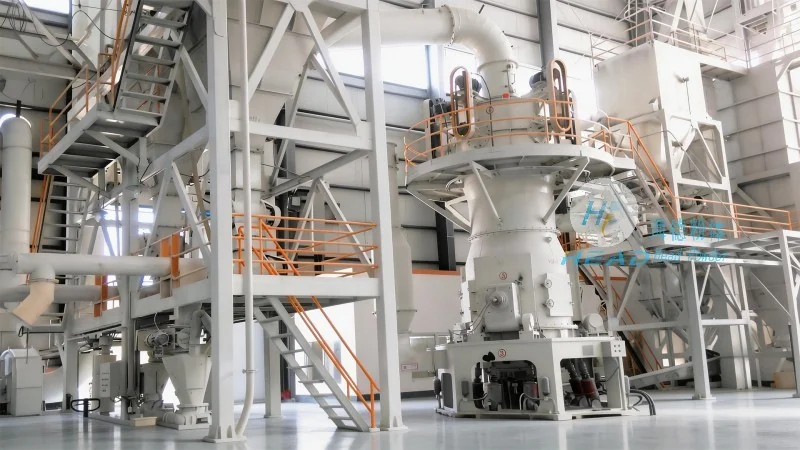
Secondly, the system's components must be carefully selected to withstand the abrasive properties of glass. This includes using high-quality materials for the air compressor, filters, and pipeline materials, such as stainless steel or specialized polymers that resist wear and corrosion. The design also involves determining the appropriate air velocity and pressure to ensure that glass particles are effectively suspended and transported without causing excessive wear on the system components.
Thirdly, the layout and configuration of the pipeline network are critical. The system must be designed to minimize pressure losses and ensure consistent flow. This involves calculating the required air volume and pressure, selecting the correct pipe diameter and material, and incorporating features like bends, elbows, and expansion joints to accommodate changes in direction and reduce turbulence. Proper design also considers the need for separation and cleaning equipment to prevent blockages and maintain system efficiency.
How Shandong HeadPowder Engineering Co., Ltd. Applies These Principles
Shandong HeadPowder Engineering Co., Ltd., a leading provider of material handling solutions, specializes in designing and implementing glass waste pneumatic conveying systems that adhere to these core principles. With years of experience in the industry, the company leverages advanced engineering techniques and a deep understanding of glass waste characteristics to deliver customized solutions tailored to each client's needs.
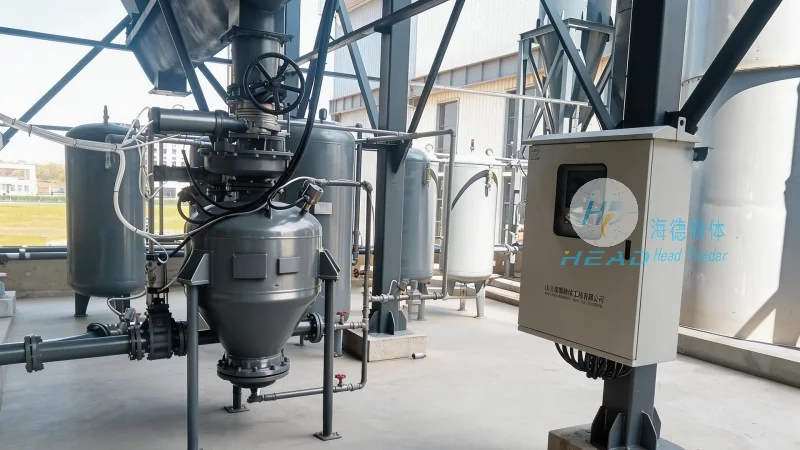
The company's approach begins with a thorough analysis of the client's specific requirements, including the type and volume of glass waste, the distance to be transported, and the desired processing outcomes. Based on this analysis, engineers at HeadPowder develop a comprehensive system design that incorporates the latest technologies and materials to ensure durability and efficiency. For instance, when designing a system for a glass recycling facility, the engineers might integrate high-efficiency air filters to capture fine glass particles and prevent contamination, or use variable frequency drives to optimize energy usage based on the system's load.
HeadPowder's expertise extends to the integration of advanced control systems that monitor and regulate the pneumatic conveying process in real-time. These systems help maintain consistent air pressure and flow rates, detect potential blockages or system failures, and provide data for performance optimization. The company also emphasizes the importance of regular maintenance and provides comprehensive support services to ensure that the systems operate at peak efficiency throughout their lifecycle.
Key Considerations for Effective Glass Waste Pneumatic Conveying
While the design principles provide a framework for effective glass waste pneumatic conveying, several practical considerations must be addressed to ensure long-term success. One of the most critical is the maintenance of the system components, as glass particles can be highly abrasive and cause wear on pumps, filters, and pipelines over time. Regular inspections, cleaning, and replacement of worn parts are essential to prevent system downtime and maintain performance.
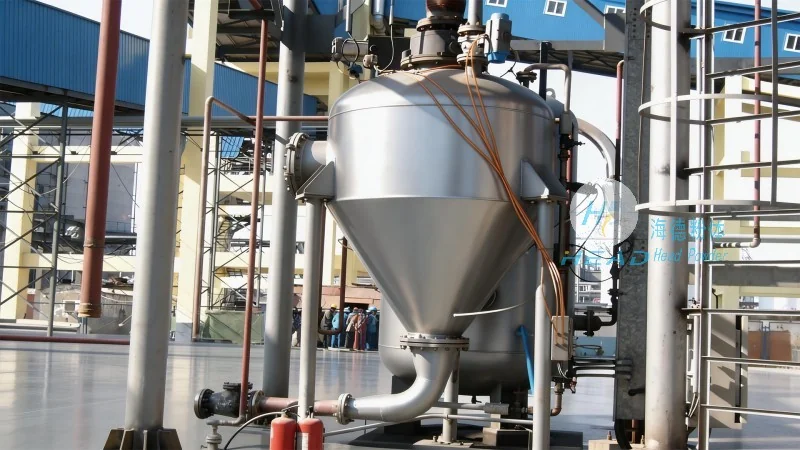
Another consideration is the environmental impact of the system. Glass waste is often handled in facilities that must comply with strict environmental regulations. Therefore, the design must include features that minimize dust emissions and noise pollution, such as efficient dust collection systems and soundproofing components. Additionally, the system's energy efficiency is a key factor, as reducing energy consumption not only lowers operational costs but also aligns with sustainability goals.
In conclusion, glass waste pneumatic conveying is a sophisticated and effective method for handling glass materials, and its success depends on a well-designed system that adheres to fundamental principles and addresses practical considerations. Companies like Shandong HeadPowder Engineering Co., Ltd. play a vital role in developing and implementing these systems, ensuring that glass waste is managed efficiently and sustainably. By combining technical expertise with a client-centric approach, they help industries optimize their material handling processes and contribute to a more circular economy for glass.




