Expanded clay aggregate material handling equipment is a specialized system designed to transport and manage expanded clay aggregate, a lightweight, porous material commonly used in construction, horticulture, and industrial applications. Understanding the functionality and design principles of such equipment is crucial for optimizing material flow, ensuring operational efficiency, and meeting the specific requirements of various industries. This article explores the key aspects of these systems, including their design considerations, operational mechanisms, and the role they play in material handling processes.
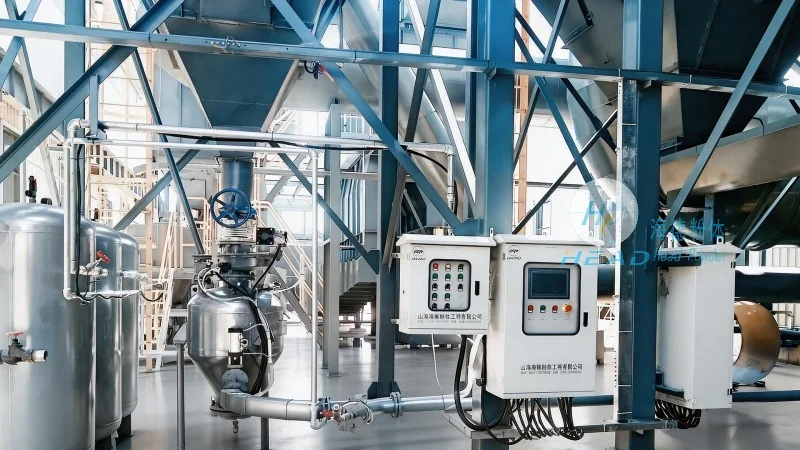
Introduction to Expanded Clay Aggregate Material Handling Equipment
Expanded clay aggregate, also known as lightweight aggregate, is produced by heating clay or shale at high temperatures, which causes it to expand and form a porous structure. This material is valued for its low density, excellent thermal insulation properties, and high compressive strength, making it ideal for applications like lightweight concrete, soil amendment, and horticultural media. The material handling equipment designed to transport this aggregate must be tailored to its unique physical characteristics, such as its lightweight nature and potential for dust generation during handling.
About Shandong HeadPowder Engineering Co., Ltd.
Shandong HeadPowder Engineering Co., Ltd., commonly known as HeadPowder, is a leading manufacturer and supplier of specialized material handling equipment. With a focus on innovation and quality, the company has established itself as a trusted partner in the industry, providing tailored solutions for various bulk material handling needs. HeadPowder's expertise lies in designing equipment that meets the specific demands of clients, ensuring reliability, efficiency, and safety in material handling operations. The company is headquartered in Shandong, China, where it leverages advanced manufacturing capabilities and a team of experienced engineers to develop cutting-edge solutions.
Design Principles of Expanded Clay Aggregate Material Handling Equipment
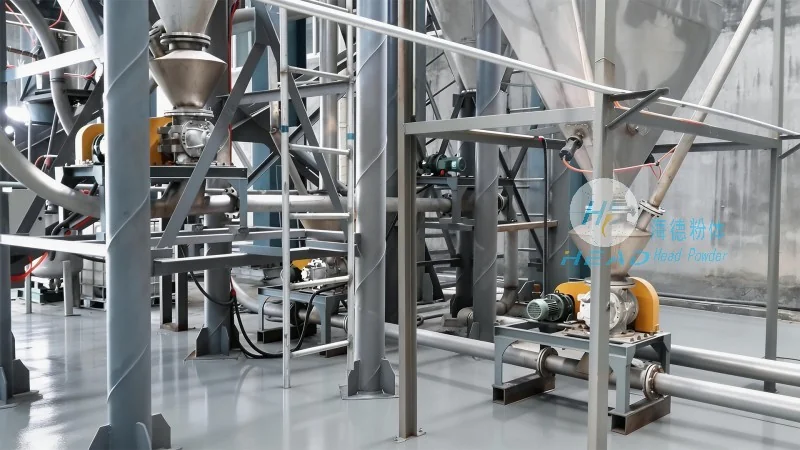
The design of expanded clay aggregate material handling equipment is guided by several key principles to ensure optimal performance and safety. First, the equipment must accommodate the lightweight and porous nature of the material, which may affect flow characteristics and require specialized feeding mechanisms. For instance, some systems use vibratory feeders or conveyor belts with adjustable speeds to control the flow rate and prevent material bridging or clogging. Second, dust control is a critical consideration due to the fine particles of expanded clay aggregate. Equipment often incorporates dust suppression systems, such as enclosed hoppers, dust collection units, or wet feeding methods, to minimize airborne dust and comply with environmental regulations. Third, the design must prioritize durability and corrosion resistance, as the material may be abrasive and potentially corrosive to certain components. Materials like stainless steel or high-grade alloys are commonly used for parts in contact with the aggregate to ensure long-term performance and reduce maintenance costs.
Key Components and Operational Mechanisms
Expanded clay aggregate material handling equipment typically consists of several key components that work in tandem to facilitate efficient material transport. The primary components include feeders, conveyors, storage hoppers, and discharge mechanisms. Feeders, such as rotary or vibratory feeders, are responsible for uniformly distributing the material into the conveyor system, preventing overloading and ensuring consistent flow. Conveyors, which may be belt or screw conveyors, transport the material from the feeder to the storage or processing area. Storage hoppers are used to hold the aggregate temporarily, allowing for batch processing or inventory management. Discharge mechanisms, such as gates or chutes, control the release of the material to downstream processes or storage containers.
Applications and Industry Impact
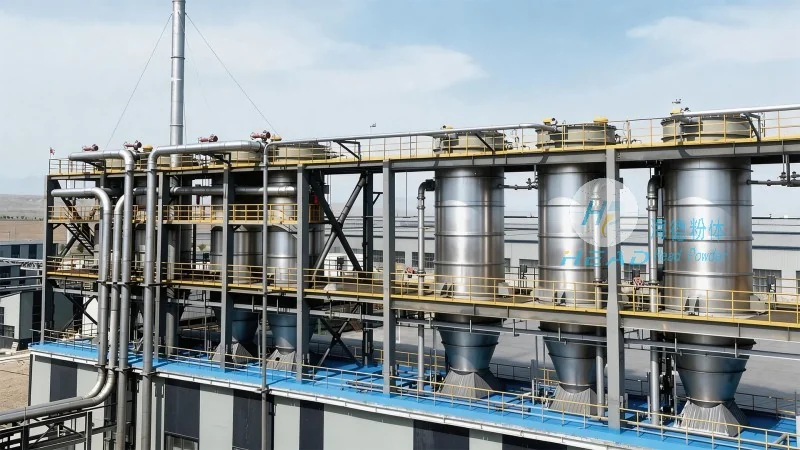
Expanded clay aggregate material handling equipment is widely used in various industries, including construction, horticulture, and industrial manufacturing. In the construction industry, these systems are essential for transporting lightweight aggregate for concrete production, where the material's low density reduces the overall weight of structures while maintaining strength. In horticulture, the equipment is used to handle soil amendments and growing media, ensuring efficient distribution to nurseries and agricultural sites. Industrial applications may include the use of expanded clay aggregate in filtration systems or as a base material in manufacturing processes. The efficiency of these material handling systems directly impacts production throughput, cost-effectiveness, and environmental compliance, making them a critical component of modern industrial operations.
Conclusion and Future Developments
Expanded clay aggregate material handling equipment plays a vital role in optimizing material flow and operational efficiency for industries relying on this lightweight aggregate. The design principles, including considerations for material characteristics, dust control, and durability, ensure that these systems perform reliably and safely. As technology advances, there is a growing emphasis on integrating automation and smart monitoring systems into material handling equipment, enhancing real-time control and predictive maintenance. Companies like Shandong HeadPowder Engineering Co., Ltd. continue to innovate, developing advanced solutions that meet the evolving needs of the industry, ensuring sustainable and efficient material handling practices.




