Chromium oxide, a vital compound used in industries ranging from pigments to corrosion-resistant coatings, demands precise and efficient transportation to preserve its quality and functionality. The pneumatic conveying line for chromium oxide, engineered by Shandong HeadPowder Engineering Co., Ltd., represents a sophisticated solution designed to meet the unique challenges of handling this material. This article delves into the underlying principles of such systems and outlines the key working scene characteristics that define their effectiveness in industrial applications.
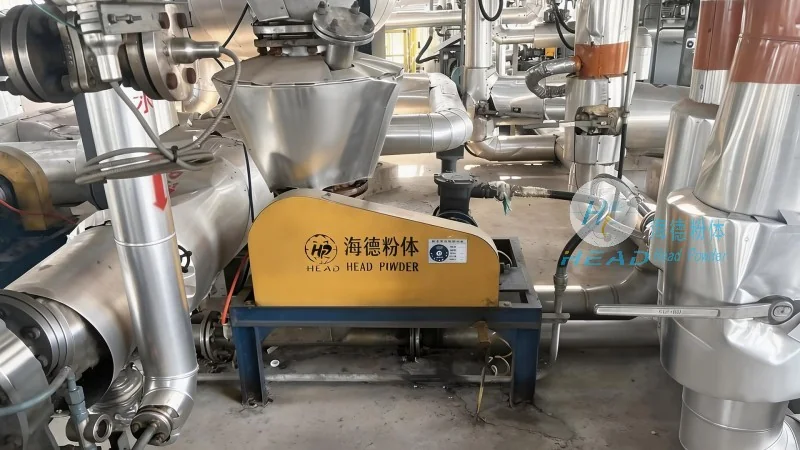
About Shandong HeadPowder Engineering Co., Ltd.
Shandong HeadPowder Engineering Co., Ltd. is a prominent player in the material handling and processing industry, renowned for its expertise in designing and manufacturing advanced conveying systems. With a commitment to innovation and customer satisfaction, the company has built a strong reputation for delivering high-performance solutions tailored to the needs of various sectors. HeadPowder's engineering team leverages years of experience and cutting-edge technology to develop systems that ensure optimal material transport, minimal loss, and enhanced operational efficiency. The company's operational headquarters is situated in Shandong, China, where it benefits from a robust industrial ecosystem and access to skilled workforce and resources. By focusing on quality and reliability, HeadPowder has established itself as a trusted partner for businesses seeking to improve their material handling processes.
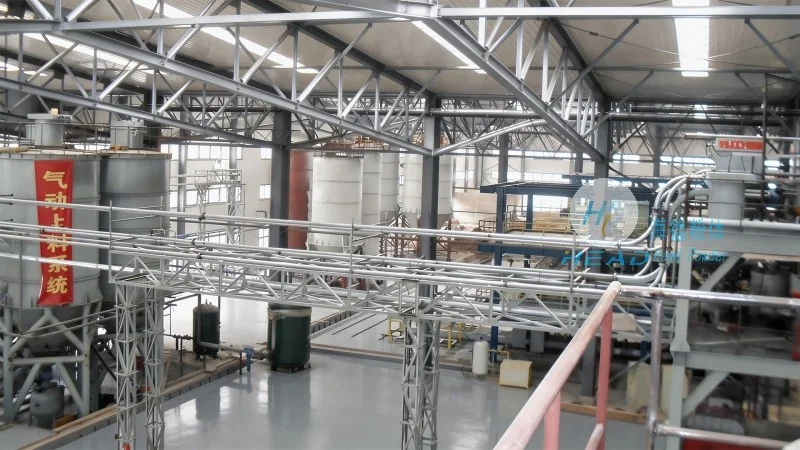
Principle of Pneumatic Conveying for Chromium Oxide
The pneumatic conveying of chromium oxide operates on the fundamental principle of using air or gas as a medium to transport solid particles through a pipeline. This method, commonly classified as either dilute-phase or dense-phase conveying, relies on the interaction between air velocity and material properties to achieve efficient transport. In dilute-phase systems, the material is suspended in the air stream, allowing for high-speed movement with minimal pressure drop. Dense-phase systems, on the other hand, use lower air velocities to create a plug flow of material, which is particularly suitable for handling abrasive or sensitive materials like chromium oxide. The system typically comprises several key components: a material feeder, which ensures a consistent supply of chromium oxide into the pipeline; a conveying pipeline, designed to withstand the mechanical stresses and friction associated with material transport; a separation unit, such as a cyclone or filter, that separates the material from the air stream and recycles the air; and a discharge device that delivers the material to its intended destination. The material feeder is critical in maintaining a stable flow rate, preventing blockages, and ensuring that the material is introduced at the correct velocity to avoid particle degradation. The conveying pipeline is constructed from materials resistant to corrosion and wear, such as stainless steel or specialized alloys, to handle the abrasive nature of chromium oxide particles. The separation unit plays a vital role in maintaining air quality and preventing dust emissions, which is essential for both environmental compliance and worker safety. By integrating these components, the system achieves a continuous, low-maintenance operation that minimizes material loss and ensures the integrity of the chromium oxide during transport.
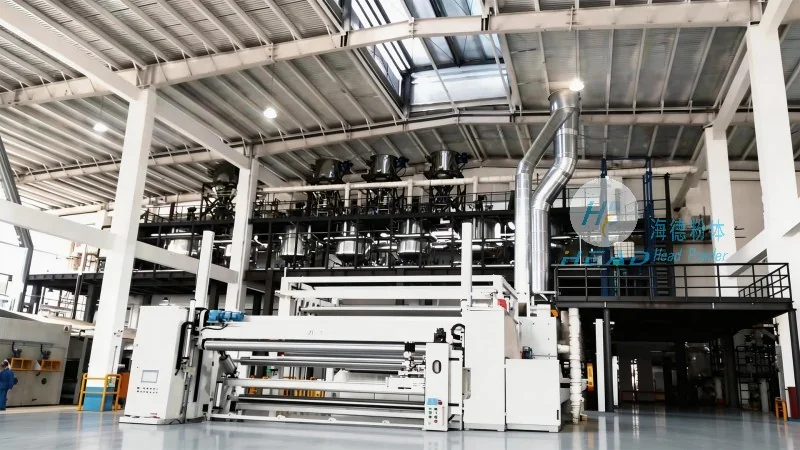
Working Scene Characteristics of Chromium Oxide Pneumatic Conveying Lines
The working scene characteristics of chromium oxide pneumatic conveying lines are shaped by a combination of operational parameters, environmental factors, and material handling requirements. One of the primary characteristics is the system's adaptability to varying production demands, allowing it to handle fluctuating flow rates from low to high throughput without compromising performance. This flexibility is crucial in industrial settings where production schedules may change, ensuring that the conveying line can meet the needs of different processes. Another key characteristic is the system's ability to handle the specific physical properties of chromium oxide, such as its particle size distribution and density. The air velocity is carefully calibrated to maintain a stable suspension of particles, preventing segregation or agglomeration that could lead to blockages or material degradation. The working scene also involves the integration of the conveying line with other processing equipment, such as storage silos, reactors, or mixing units, to create a seamless material flow from raw material extraction to final processing. This integration enhances overall operational efficiency by reducing downtime and minimizing material handling steps. Safety is a paramount consideration in the working scene, as the system is engineered to minimize dust emissions and ensure compliance with industrial safety regulations. The design includes features like dust collection systems and explosion-proof components to protect both the equipment and personnel. Additionally, the working environment may involve temperature variations or humidity levels, which the conveying line is designed to withstand, ensuring consistent performance under different conditions. The working scene characteristics also reflect the importance of maintenance and reliability, as the system must operate continuously with minimal interruptions. Regular maintenance, such as cleaning the separation unit or inspecting the pipeline for wear, is essential to maintain optimal performance and extend the system's lifespan. Overall, the working scene characteristics of chromium oxide pneumatic conveying lines are tailored to meet the specific needs of industrial applications, emphasizing efficiency, reliability, and safety.




