Food processing industries increasingly rely on efficient and hygienic material handling solutions to maintain product quality and operational efficiency. Among these solutions, food pneumatic conveying lines have emerged as a critical technology for transporting bulk food materials. This article explores the fundamental principles behind these systems and highlights their key working scene characteristics, providing insights into how they enhance operational performance in food processing environments.
Understanding the Core Principles of Food Pneumatic Conveying Systems
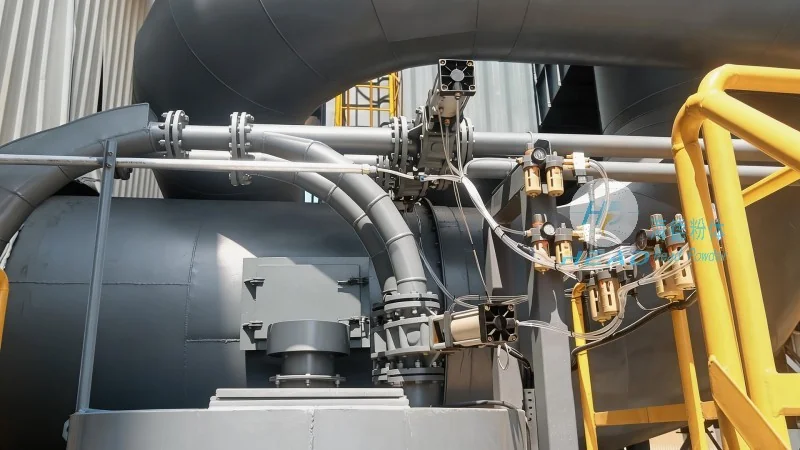
Food pneumatic conveying systems operate on the principle of transporting bulk materials using a gas (usually air) as the conveying medium. These systems can be broadly categorized into two main types: positive pressure and negative pressure (or vacuum) systems. Positive pressure systems use compressed air to push material through a pipeline, while negative pressure systems create a vacuum to draw material into the system. Both methods rely on the interaction between the gas and solid particles to achieve movement. The key principle is the creation of a gas-solid flow that allows materials to be transported without direct contact with the conveying equipment, which is essential for maintaining food safety and hygiene standards.
Key Working Scene Characteristics of Food Pneumatic Conveying Lines
Food pneumatic conveying lines are designed to meet the specific demands of food processing applications, offering several distinct advantages that make them ideal for various working scenarios. One of the primary characteristics is their ability to maintain a closed system, which prevents contamination from external sources and minimizes the risk of cross-contamination between different food products. This is particularly important in environments where food safety is paramount, such as in the processing of grains, powders, and other food ingredients.
Another critical characteristic is the system's flexibility in handling a wide range of food materials, from fine powders like flour to bulkier granules like sugar or nuts. The design of the conveying line, including the selection of appropriate ductwork, valves, and airlocks, ensures that materials are transported efficiently without degradation or segregation. This adaptability makes food pneumatic conveying lines suitable for diverse applications, from raw material intake to finished product packaging.
Applications in Food Processing Environments
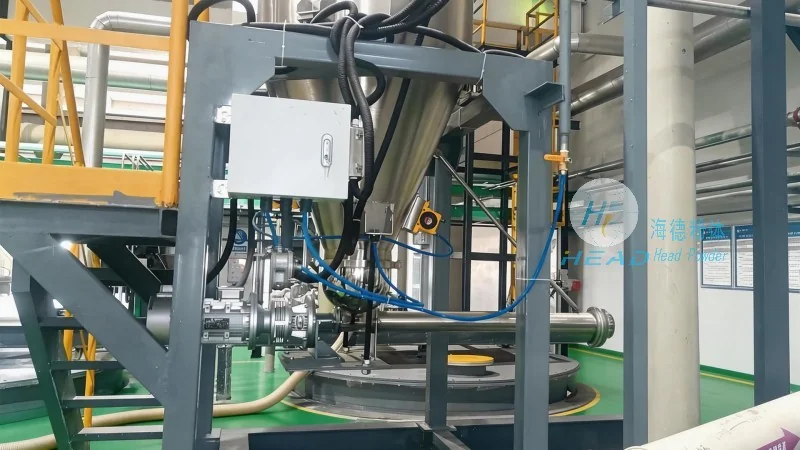
Food pneumatic conveying lines are widely used in various stages of food processing, from raw material handling to final product distribution. In the raw material intake stage, these systems efficiently transport bulk ingredients from storage silos or trucks into processing facilities, reducing the need for manual handling and improving operational safety. During the processing stage, they facilitate the movement of materials between different processing units, such as from grinding to mixing or from mixing to packaging. In the final packaging stage, the systems can transport finished products to packaging lines, ensuring a smooth and continuous production flow.
For example, in a flour mill, a food pneumatic conveying line can transport raw wheat from storage bins to grinding machines, then move the ground flour to storage silos or packaging lines. The closed system design prevents dust and contaminants from entering the environment, while the efficient transport reduces processing time and energy consumption. Similarly, in a snack food factory, the system can convey ingredients like corn or potato flakes from raw material storage to mixing and extrusion lines, maintaining the quality and consistency of the final product.
Advantages and Considerations for Food Pneumatic Conveying Lines
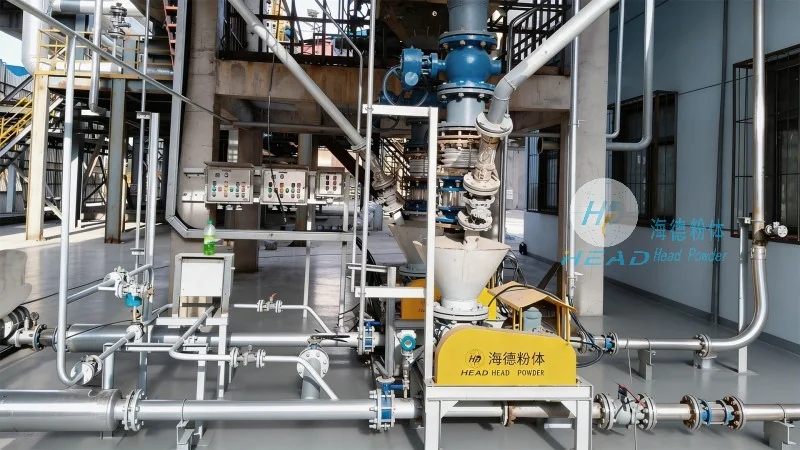
Implementing food pneumatic conveying lines offers several advantages that contribute to improved operational performance and cost savings. One of the main benefits is the reduction in labor costs, as automated systems handle material transport, reducing the need for manual labor in hazardous or repetitive tasks. Additionally, the closed system design minimizes material loss and waste, leading to better material utilization and lower operational costs.
However, there are also considerations to keep in mind when selecting and operating a food pneumatic conveying line. The choice of conveying system (positive or negative pressure) depends on the specific material characteristics, such as particle size, moisture content, and flowability. For example, fine powders may require a positive pressure system to prevent clogging, while bulkier materials might benefit from a negative pressure system to reduce energy consumption. Proper maintenance is also crucial to ensure the system operates efficiently and maintains food safety standards. Regular cleaning and inspection of the ductwork, valves, and airlocks are necessary to prevent contamination and ensure consistent performance.
Conclusion
Food pneumatic conveying lines are a vital component of modern food processing operations, offering efficient, hygienic, and flexible material handling solutions. By understanding the core principles and working scene characteristics of these systems, food processing companies can optimize their operations, improve product quality, and enhance overall efficiency. As the demand for safe and high-quality food products continues to grow, the importance of reliable pneumatic conveying systems will only increase, making them an essential investment for any food processing business.




