Understanding the design principles and applications of dry limestone material handling equipment is crucial for industries that rely on efficient material transport and processing. This article provides an in-depth look at the equipment, its components, and the engineering principles that underpin its operation, with a focus on the expertise of Shandong HeadPowder Engineering Co., Ltd.
Introduction to Dry Limestone Material Handling Equipment
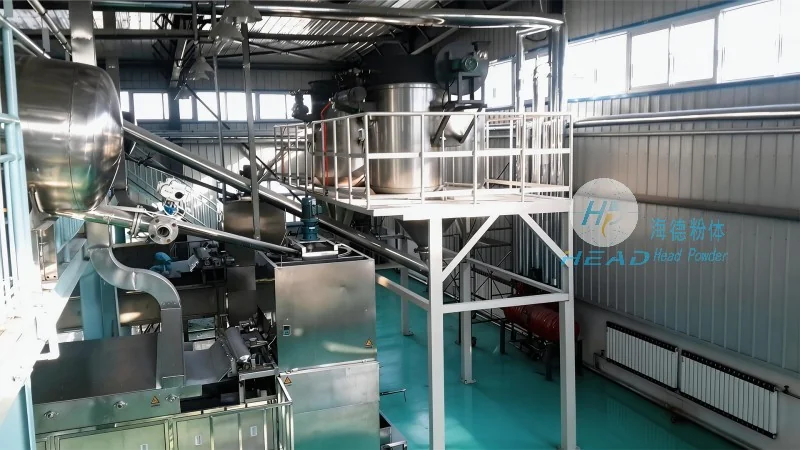
Dry limestone material handling equipment is specialized machinery designed to transport and handle dry limestone, a common industrial material used in various sectors such as construction, agriculture, and chemical manufacturing. The equipment is engineered to ensure efficient, safe, and reliable movement of limestone from storage to processing or end-use applications. Shandong HeadPowder Engineering Co., Ltd., a leading manufacturer based in China, specializes in developing and supplying high-quality material handling solutions tailored to the unique demands of limestone handling.
Key Components and Functional Design
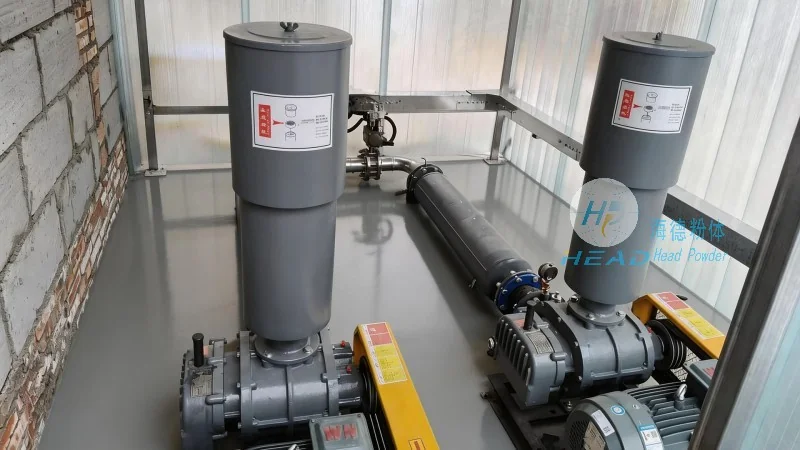
The design of dry limestone material handling equipment involves several critical components that work in tandem to achieve optimal performance. These include feed hoppers, conveyor systems (such as belt conveyors or screw conveyors), dust control mechanisms, and control panels. The feed hopper is responsible for receiving and storing the limestone, while the conveyor system transports the material through the processing line. Dust control systems are essential to maintain air quality and comply with environmental regulations, as limestone dust can be a health hazard. The control panel allows operators to monitor and adjust the equipment's operation, ensuring smooth and efficient material flow. Shandong HeadPowder Engineering Co., Ltd. integrates these components into a cohesive system that maximizes productivity and minimizes downtime.
Engineering Principles Behind the Design
The design principles of dry limestone material handling equipment are rooted in mechanical engineering, material science, and process control. The equipment is designed to handle the physical properties of limestone, including its particle size, density, and flow characteristics. For instance, the conveyor system's speed and inclination are carefully calculated to prevent material bridging or blockages, which can occur due to limestone's cohesive nature. The material's density and abrasiveness also influence the choice of conveyor belt material and drive mechanisms. Shandong HeadPowder Engineering Co., Ltd. employs advanced engineering techniques to optimize these parameters, ensuring the equipment can handle limestone efficiently while minimizing wear and tear on components. Additionally, the design considers factors such as energy efficiency, as reducing energy consumption is a key aspect of modern material handling solutions. The company's engineers use computational fluid dynamics (CFD) and finite element analysis (FEA) to simulate and refine the equipment's design, ensuring it meets both performance and safety standards.
Applications and Industry Impact
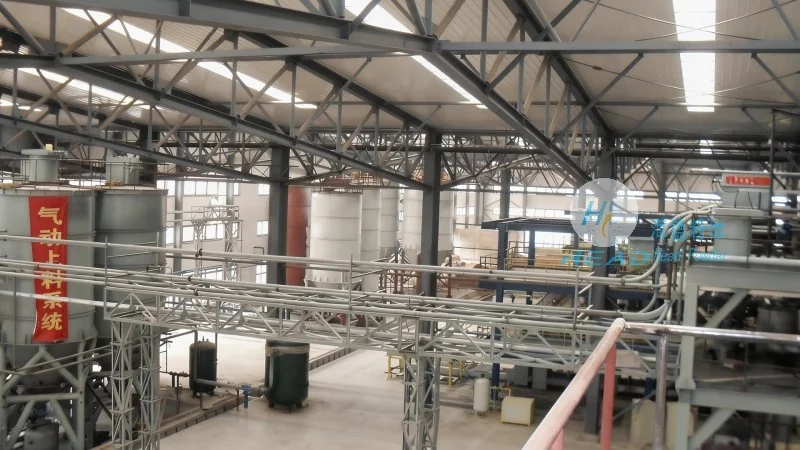
Dry limestone material handling equipment is widely used in industries where limestone is a primary raw material. In the construction industry, it is used to transport limestone for cement production, while in agriculture, it serves as a soil amendment. The equipment's design allows for consistent material flow, which is critical for maintaining production rates and quality control. Shandong HeadPowder Engineering Co., Ltd. has successfully implemented these systems in various projects, demonstrating their reliability and effectiveness. The company's commitment to quality and innovation has made their equipment a preferred choice for businesses seeking to enhance their material handling capabilities. By understanding the design principles and applications of dry limestone material handling equipment, industries can improve operational efficiency, reduce costs, and ensure compliance with environmental regulations.




