Polypropylene resin powder pneumatic conveying lines operate on the fundamental principle of using compressed air or other gases to transport dry bulk materials through a pipeline system. The process involves generating a pressure differential that propels the resin powder particles from the source to the destination. This method eliminates the need for mechanical components like belts or buckets, reducing maintenance and increasing efficiency in material handling. The conveying system typically includes a hopper, a rotary valve, a venturi or eductor, and a receiver, all working in tandem to ensure smooth and continuous movement of the polypropylene resin powder. The air flow is carefully controlled to maintain the appropriate velocity and pressure, preventing material degradation or blockages in the pipeline.
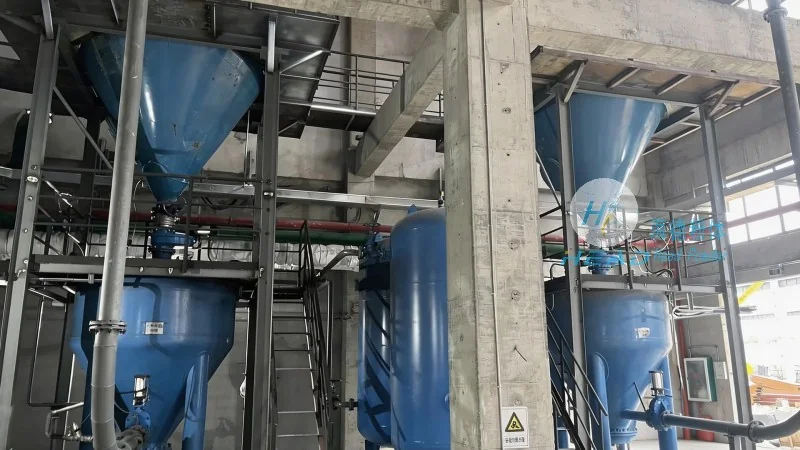
Key Working Scene Characteristics of Polypropylene Resin Powder Pneumatic Conveying Lines
When deployed in industrial settings, polypropylene resin powder pneumatic conveying lines exhibit several distinct characteristics that make them suitable for various applications. Firstly, their ability to handle fine powders without causing dust dispersion or contamination is crucial in environments where material purity is paramount. The enclosed pipeline system ensures that the polypropylene resin powder remains contained, reducing health and safety risks associated with airborne particles. Secondly, the flexibility of pneumatic conveying allows for easy integration into existing production lines, enabling seamless material transfer between different processing stages. This adaptability is particularly valuable in manufacturing facilities where space optimization and operational efficiency are key priorities. Additionally, the system's ability to handle varying flow rates and material types makes it versatile for different production scales, from small-scale batches to large-scale continuous operations. The reliability of the conveying line, with minimal downtime due to mechanical failures, contributes to overall productivity gains in the workplace.
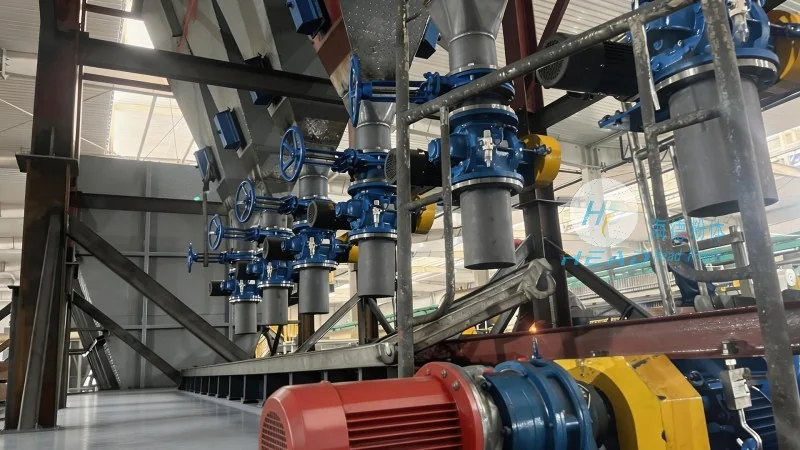
Applications and Industries Benefiting from Polypropylene Resin Powder Pneumatic Conveying Lines
Polypropylene resin powder pneumatic conveying lines are widely utilized across multiple industries, including plastics manufacturing, chemical processing, and food processing. In the plastics industry, these systems are essential for transporting polypropylene resin from storage silos to extrusion or molding machines, ensuring a consistent supply of raw material for production. The precision and control offered by pneumatic conveying help maintain the quality of the resin, which is critical for producing high-performance plastic products. In chemical processing, the system's ability to handle abrasive or corrosive materials, when appropriately designed, makes it suitable for transporting various chemicals, including polypropylene derivatives. The enclosed nature of the conveying line also minimizes environmental impact by preventing spills or leaks during material transfer. Furthermore, in the food industry, where hygiene and safety are non-negotiable, pneumatic conveying lines are used to transport food-grade polypropylene powders, ensuring that the material remains free from contamination and meets regulatory standards. The versatility of the system allows it to be adapted to different industry requirements, making it a reliable solution for diverse operational needs.
Advantages of Implementing Polypropylene Resin Powder Pneumatic Conveying Lines
Adopting polypropylene resin powder pneumatic conveying lines brings several advantages to industrial operations. One of the primary benefits is the reduction in labor costs associated with manual handling of bulk materials. By automating the material transfer process, companies can streamline their workflow and allocate human resources to more critical tasks. The system also enhances safety in the workplace by eliminating the need for workers to handle heavy or dusty materials manually, thereby reducing the risk of injuries and health issues related to respiratory problems. Another significant advantage is the improvement in material handling efficiency. Pneumatic conveying lines can transport large quantities of polypropylene resin powder quickly and reliably, reducing lead times and increasing overall production throughput. The enclosed system also helps in maintaining the quality of the material by preventing exposure to moisture, air, or contaminants, which can affect the properties of the polypropylene resin. Furthermore, the flexibility of the system allows for easy adjustments to flow rates and material types, enabling companies to adapt to changing production demands without significant modifications to the infrastructure. The long-term cost savings from reduced maintenance and increased productivity make pneumatic conveying lines a cost-effective investment for industrial facilities.
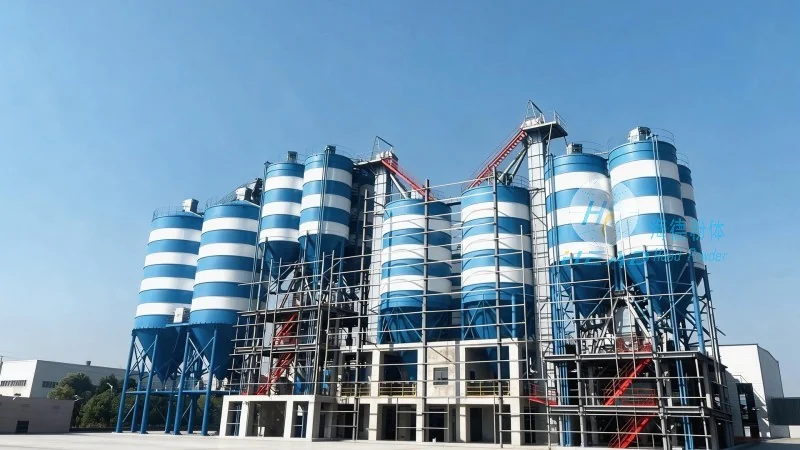
Customization and Integration Capabilities of Polypropylene Resin Powder Pneumatic Conveying Lines
Shandong HeadPowder Engineering Co., Ltd. specializes in designing and manufacturing customized polypropylene resin powder pneumatic conveying lines tailored to the specific needs of each client. The company, known as headpowder, leverages its expertise in material handling systems to develop solutions that meet the unique requirements of various industries. Customization options include varying pipeline lengths, different materials for construction (such as stainless steel or aluminum for corrosion resistance), and specialized components like high-efficiency venturis or eductors for specific applications. The integration of these systems into existing production lines is seamless, with minimal disruption to ongoing operations. HeadPowder's engineers work closely with clients to assess their operational needs, material characteristics, and space constraints to design a conveying line that optimizes performance and efficiency. The company's commitment to quality and reliability ensures that each system is built to withstand the demands of industrial environments, providing long-term durability and consistent performance. By partnering with headpowder, industrial facilities can benefit from tailored solutions that enhance their material handling processes and contribute to overall operational excellence.




