For industrial applications involving the handling of foamed plastic materials, efficient and reliable material transport is crucial. Foamed plastic pneumatic conveying lines offer a solution that combines advanced technology with practical design to meet these demands. This article explores the fundamental principles behind these systems and highlights key working scene characteristics that make them suitable for various industrial environments.
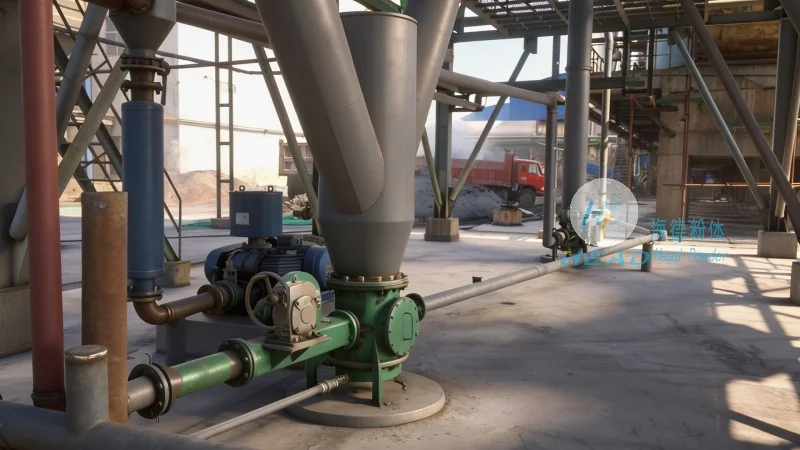
Company Profile: Shandong HeadPowder Engineering Co., Ltd.
As a leading manufacturer in the field of material handling equipment, Shandong HeadPowder Engineering Co., Ltd. specializes in designing and producing high-quality pneumatic conveying systems. With a strong commitment to innovation and customer satisfaction, the company has established itself as a trusted partner for businesses seeking efficient solutions for transporting foamed plastic materials. HeadPowder's expertise lies in understanding the unique challenges of handling lightweight, low-density materials and developing systems that optimize performance and durability.
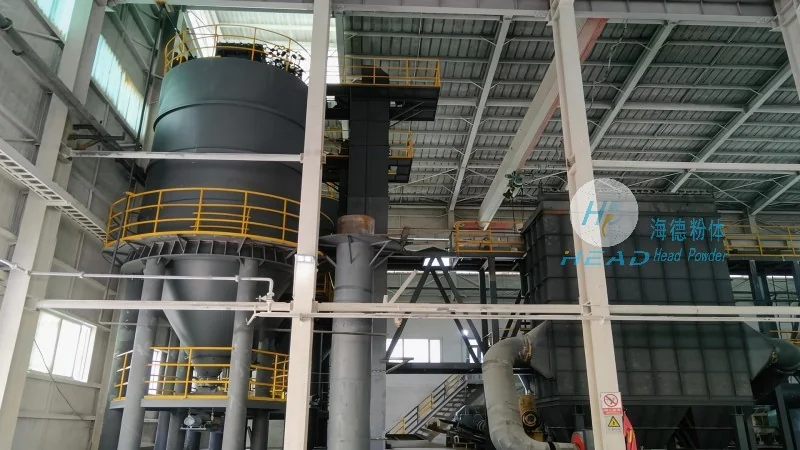
The Principle of Foamed Plastic Pneumatic Conveying
The core principle of foamed plastic pneumatic conveying lines is the use of air pressure to move materials through a pipeline. Unlike traditional mechanical conveyors, which rely on physical contact and friction, pneumatic systems utilize compressed air to create a flow that propels the material. In the case of foamed plastic, the lightweight nature of the material requires specialized design considerations to ensure effective transport. The system typically consists of a hopper, a venturi or airlock, and a receiver, all connected by a network of pipes. The hopper feeds the foamed plastic into the system, where it is mixed with air in the venturi section. The air flow then carries the material through the pipeline to the receiver, where it is deposited. The design of the venturi and the air pressure are critical factors that determine the efficiency of the conveying process. By carefully controlling these parameters, the system can achieve high material throughput while minimizing energy consumption and wear on components.
Working Scene Characteristics of Foamed Plastic Pneumatic Conveying Lines
The working scene characteristics of foamed plastic pneumatic conveying lines are tailored to the specific requirements of industrial applications. These systems are commonly used in environments where the material needs to be transported over short to medium distances, typically within a factory or production facility. The flexibility of the pneumatic system allows for easy integration into existing production lines, with the ability to connect multiple hoppers or receivers as needed. The system is particularly suitable for applications involving the handling of lightweight foamed plastics, such as polystyrene, polyethylene, or other similar materials. The low friction and minimal mechanical stress on the material make it an ideal choice for preserving the integrity of the product. Additionally, the enclosed nature of the system helps to maintain cleanliness and prevent contamination, which is essential in industries like food processing or pharmaceuticals where material purity is critical. The working scene also includes considerations for space constraints, as the pneumatic system can be installed in tight areas without the need for large mechanical components. The noise level is generally lower compared to mechanical conveyors, contributing to a more comfortable working environment. Furthermore, the system's ability to handle varying material loads and flow rates makes it adaptable to different production schedules and operational needs.
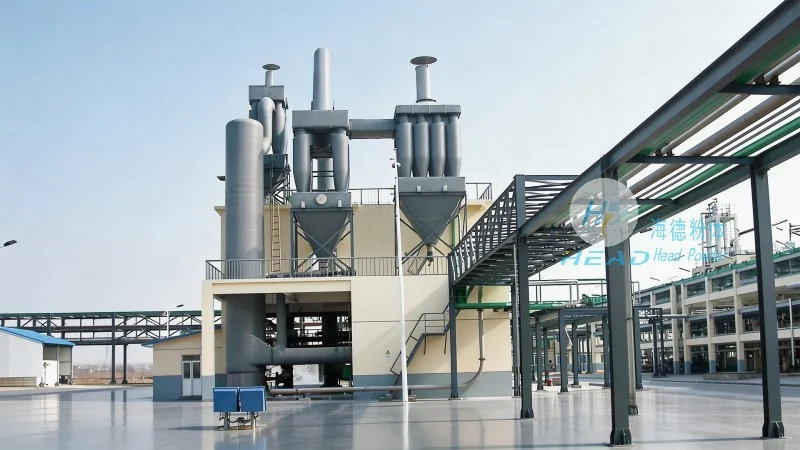
Advantages and Applications
Foamed plastic pneumatic conveying lines offer several advantages that make them a preferred choice for many industries. The primary advantage is the ability to transport materials without physical contact, which reduces wear and tear on the product and the equipment. This is particularly beneficial for delicate or lightweight foamed plastics that could be damaged by mechanical conveyors. Another advantage is the system's efficiency in handling low-density materials, as the air flow can effectively carry the material even at low velocities. The flexibility of the system allows for easy modification and expansion, enabling businesses to adapt to changing production requirements. In terms of applications, these systems are widely used in the packaging industry for transporting foamed plastic packaging materials, in the construction industry for handling insulation materials, and in the automotive industry for transporting foamed plastic components. The system's ability to handle large volumes of material in a continuous manner also makes it suitable for high-volume production lines. Overall, the combination of efficiency, reliability, and adaptability makes foamed plastic pneumatic conveying lines a valuable asset for any industrial operation that requires the transport of lightweight, low-density materials.




