What is a PVC Pellet Material Conveying Line? What are the Design Principles?
Release time:2026-09-15 05:01:07
name of the company:Shandong Headpowder Engineering Co., Ltd.
telephone:156-6277-7102
contacts:Zhang manager
Welcome to Shandong HeadPowder Engineering Co., Ltd., a leading manufacturer specializing in industrial conveying systems. In this article, we will explore the PVC pellet material conveying line, its design principles, and the critical role it plays in material handling processes within various industries.
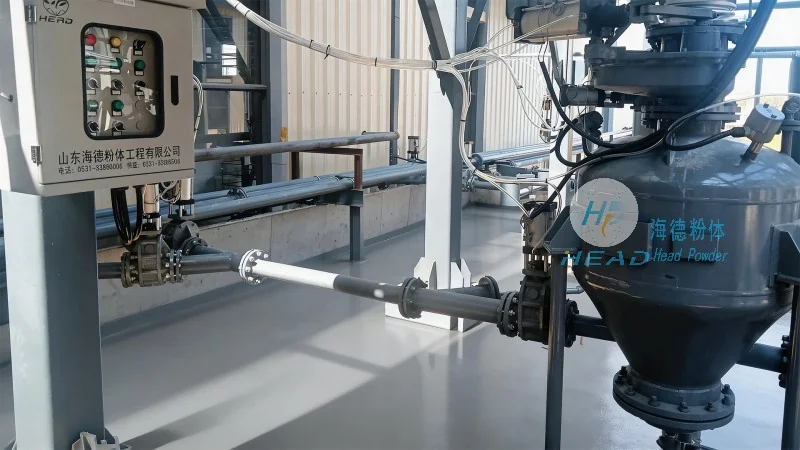
What is a PVC Pellet Material Conveying Line?
A PVC pellet material conveying line is a specialized system engineered to transport PVC pellets efficiently and safely from one location to another. These lines are commonly used in manufacturing facilities, particularly in the plastic processing and polymer industries, where the smooth and consistent movement of raw materials is essential for production continuity. The system typically consists of components such as feeders, conveyors, and control mechanisms, all working in tandem to ensure the reliable and controlled transfer of PVC pellets.
Key Components of a PVC Pellet Conveying Line
The design of a PVC pellet material conveying line involves several key components that contribute to its functionality and efficiency. The primary components include:
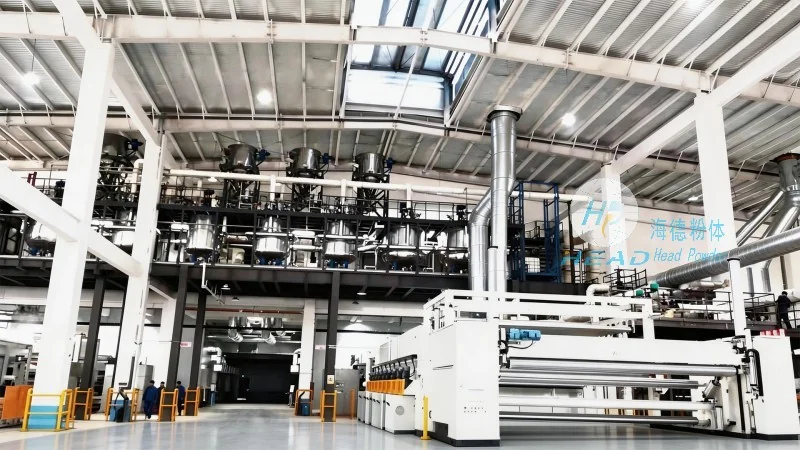
- Pellet Feeders: These devices are responsible for feeding PVC pellets into the conveying system. They ensure a consistent flow of material, preventing blockages and maintaining uniform speed. Feeders can be designed as screw feeders, vibratory feeders, or other types depending on the specific requirements of the application.
- Conveyors: The core of the conveying line, conveyors transport the PVC pellets along a designated path. Common types include belt conveyors, screw conveyors, and pneumatic conveyors. The choice of conveyor type depends on factors like the material's characteristics, distance to be covered, and the desired speed of transfer.
- Control Systems: Advanced control systems are integrated into the conveying line to monitor and regulate the operation. These systems may include sensors, variable frequency drives (VFDs), and programmable logic controllers (PLCs) to ensure precise control over the flow rate, speed, and direction of the material.
- Storage and Handling Equipment: Some conveying lines may include storage hoppers or silos to temporarily hold the PVC pellets before they are conveyed to the processing units. This helps in managing the material supply and preventing interruptions in production.
Design Principles for PVC Pellet Conveying Lines
The design of a PVC pellet material conveying line is guided by several fundamental principles aimed at optimizing performance, ensuring safety, and minimizing operational costs. These principles include:
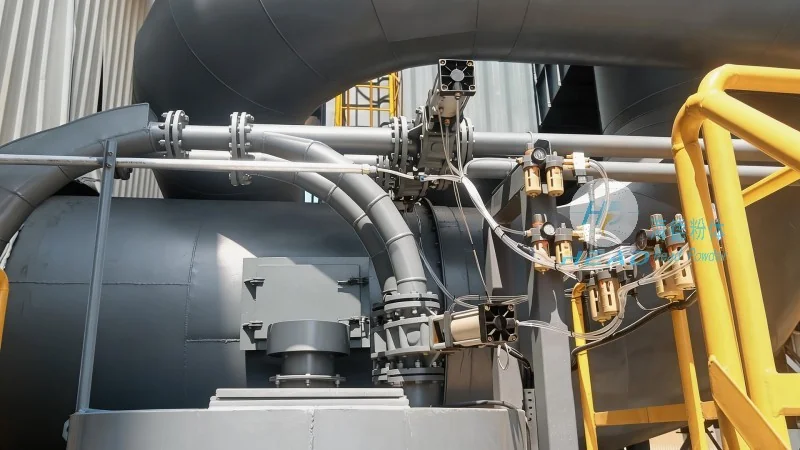
- Material Compatibility: The conveying system must be constructed from materials that are compatible with PVC pellets. This typically involves using corrosion-resistant materials such as stainless steel or specialized plastics to prevent contamination and ensure the longevity of the equipment.
- Efficient Flow Management: Proper design ensures that the PVC pellets move smoothly without causing blockages or excessive wear. This involves selecting appropriate conveyor angles, speeds, and feeder designs to maintain consistent flow rates.
- Energy Efficiency: Modern conveying lines are designed to minimize energy consumption while maintaining high throughput. This is achieved through the use of energy-efficient motors, variable speed drives, and optimized system layouts.
- Safety and Reliability: Safety is a top priority in the design of conveying lines. Features such as emergency stop buttons, overload protection, and regular maintenance schedules are incorporated to ensure the system operates reliably and without accidents.
- Modularity and Scalability: The design often incorporates modular components that allow for easy expansion or modification of the system as production needs change. This flexibility helps in adapting to evolving manufacturing requirements.
Applications of PVC Pellet Conveying Lines
PVC pellet material conveying lines are widely used in various industries where PVC pellets are processed or used as raw materials. Some common applications include:
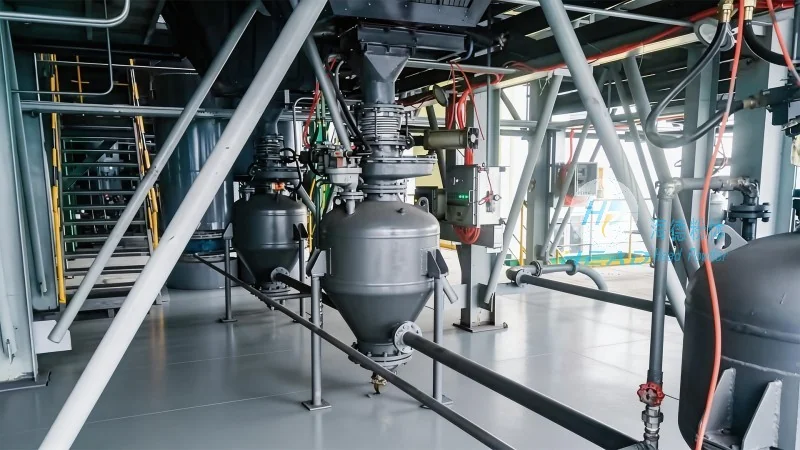
- Plastic Manufacturing: In the production of PVC pipes, profiles, and sheets, conveying lines are used to transport pellets from storage to extrusion machines. This ensures a continuous supply of raw material, enhancing production efficiency.
- Chemical Processing: Conveying lines are used in chemical plants to transport PVC pellets to reactors or other processing units, facilitating the manufacturing of PVC-based products.
- Waste Management: In recycling facilities, conveying lines are employed to move PVC pellets from sorting areas to processing equipment, supporting the recycling process and reducing waste.
- Construction Materials: Conveying lines are used in the production of PVC construction materials, such as window frames and flooring, by transporting pellets to extrusion or molding machines.
Advantages of Using a PVC Pellet Material Conveying Line
Implementing a PVC pellet material conveying line offers several advantages for industrial operations. These benefits include:
- Increased Productivity: By automating the material handling process, conveying lines reduce the need for manual labor and minimize downtime, leading to higher production output.
- Improved Material Quality: The consistent and controlled flow of PVC pellets ensures that the material reaches the processing units in optimal condition, reducing defects and improving product quality.
- Enhanced Safety: Automated conveying systems minimize the risk of accidents associated with manual handling of bulk materials, creating a safer working environment.
- Cost Efficiency: Over time, the use of conveying lines can lead to reduced labor costs, lower material waste, and decreased maintenance expenses, resulting in overall cost savings.
- Flexibility and Adaptability: Modern conveying lines can be easily adjusted to accommodate changes in production volume or material specifications, providing flexibility to meet evolving business needs.
Conclusion
A PVC pellet material conveying line is a critical component in industrial material handling, designed to efficiently transport PVC pellets while adhering to strict design principles. By understanding the key components, design principles, and applications of these systems, manufacturers can optimize their operations and achieve higher levels of productivity and efficiency. Shandong HeadPowder Engineering Co., Ltd. specializes in providing high-quality conveying solutions tailored to the specific needs of PVC processing industries, ensuring reliable and cost-effective material handling for its clients.




