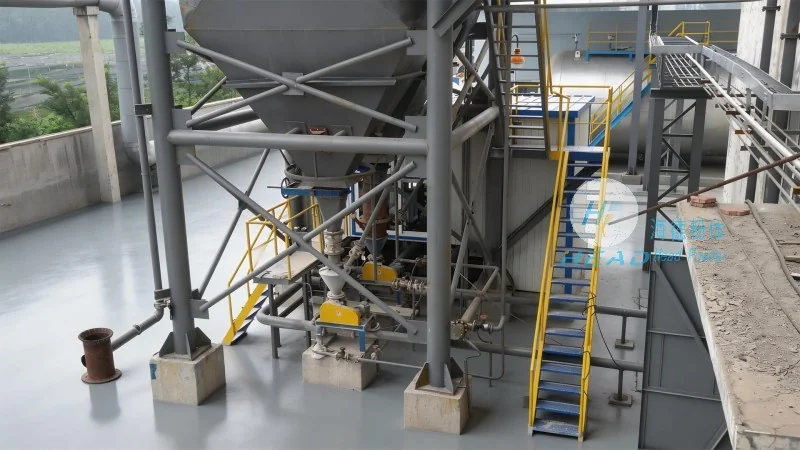
HeadPowder, a professional manufacturer based in Shandong, China, specializes in the development and production of advanced dry powder mortar material conveying lines. These systems are essential for efficiently transporting dry powder materials, such as mortar, in construction and related industries. Understanding the functionality and design principles of such a line is crucial for optimizing material handling processes and ensuring operational efficiency.
Introduction to Dry Powder Mortar Material Conveying Lines
A dry powder mortar material conveying line is a specialized system designed to transport dry powder materials, particularly mortar, from storage to processing or application points. The primary goal of this equipment is to achieve efficient, reliable, and safe material transfer while maintaining the integrity of the dry powder, preventing issues like caking, segregation, or contamination. These lines are integral to modern construction and manufacturing processes, enabling seamless integration of raw materials into production lines.
Key Components and Their Functions
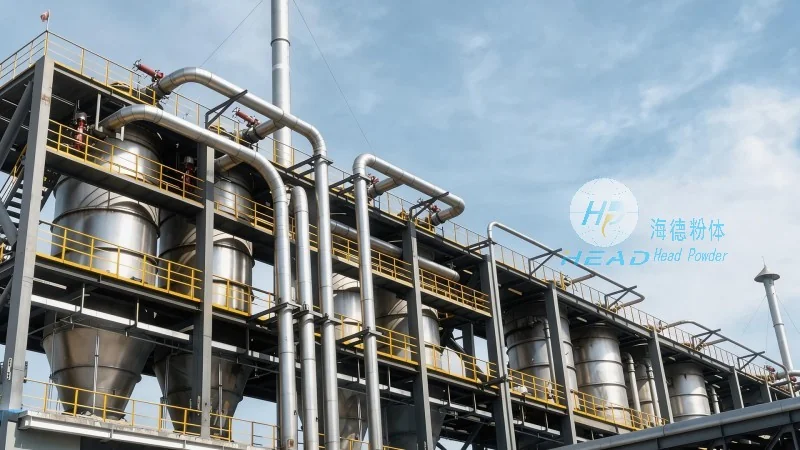
The design of a dry powder mortar material conveying line typically involves several key components, each playing a critical role in the overall system performance. The main components include:
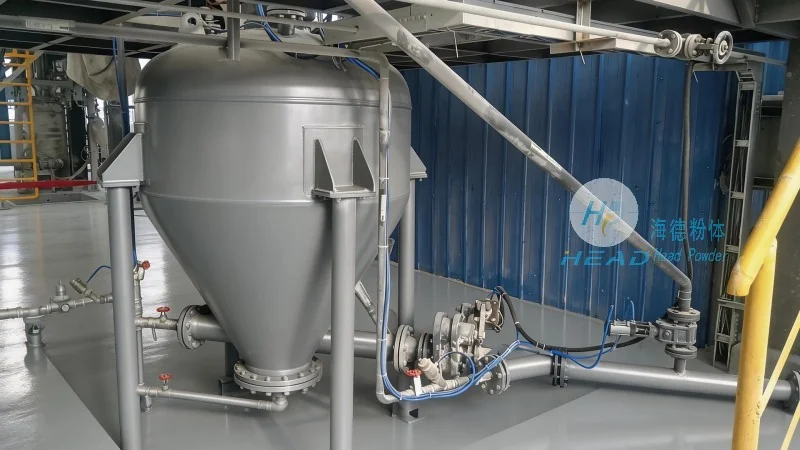
- Feed Hopper: This is the initial storage and feeding unit where the dry powder mortar is stored before being transferred. It is designed to maintain a consistent material level and provide a controlled feed rate to the subsequent conveying system.
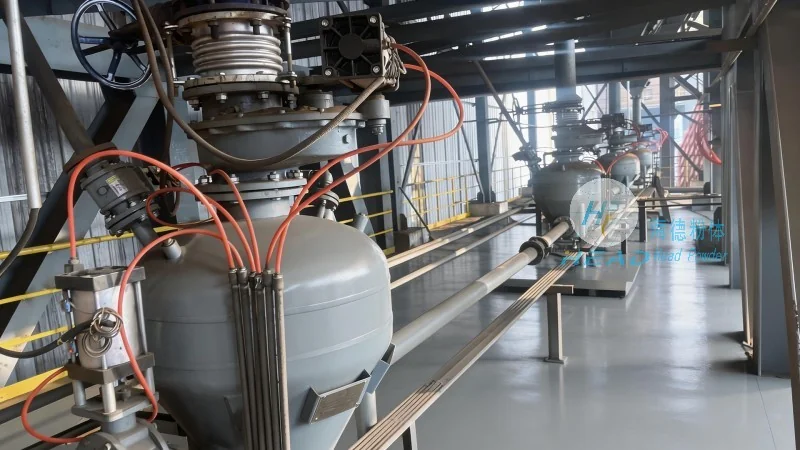
- Conveying Unit: This is the core of the system, responsible for moving the dry powder material through the line. Common types include pneumatic conveying systems (using air pressure) and mechanical conveying systems (such as screw conveyors or belt conveyors). The choice of conveying method depends on factors like material properties, required distance, and system efficiency.
- Seal and Control System: To prevent dust leakage and maintain airtight operation, a seal and control system is incorporated. This includes airlocks, rotary valves, and pressure regulators that manage the flow of air and material, ensuring smooth and safe operation.
- Metering and Dosing Equipment: For applications requiring precise material measurement, such as in mixing or batching processes, a metering system is included. This ensures accurate dosing of the dry powder mortar, which is vital for product consistency and quality control.
- Filter and Dust Collection System: To comply with environmental regulations and maintain a clean working environment, a dust collection system is typically integrated. This captures any airborne particles and returns them to the conveying line or filters them for safe disposal.
Design Principles for Efficient Operation
The design principles of a dry powder mortar material conveying line are centered around optimizing material flow, minimizing energy consumption, and ensuring system reliability. Key design considerations include:
- Material Compatibility: The system must be designed to handle the specific properties of the dry powder mortar, such as particle size, moisture content, and flowability. This involves selecting appropriate materials for the hopper, conveying pipes, and seals to prevent material degradation or equipment wear.
- System Integration: The conveying line is often integrated with other production equipment, such as mixers or batching systems. The design must ensure seamless communication and coordination between these components to achieve efficient production cycles.
- Energy Efficiency: Modern designs prioritize energy efficiency by optimizing air pressure, reducing friction in the conveying system, and using advanced control technologies. This not only lowers operational costs but also reduces the environmental impact of the system.
- Safety and Maintenance: Safety is a top priority in the design. Features like emergency shut-off valves, pressure relief systems, and easy access for maintenance are incorporated to ensure safe operation and reduce downtime. Regular maintenance is also critical to maintain the system's performance and longevity.
Applications and Benefits in Construction and Manufacturing
Dry powder mortar material conveying lines are widely used in various industries, particularly in construction, where they facilitate the efficient delivery of mortar to mixing plants, batch stations, or construction sites. The benefits of using such a system include:
- Improved Efficiency: By automating the material transfer process, these lines reduce labor costs and increase production throughput, allowing for faster project completion.
- Enhanced Product Quality: Precise metering and controlled conveying ensure consistent material quality, which is essential for achieving uniform mortar properties and meeting industry standards.
- Reduced Waste and Dust: The sealed design minimizes material loss and dust emissions, improving workplace safety and environmental compliance.
- Flexibility and Scalability: These systems can be customized to meet different production requirements, from small-scale applications to large industrial operations, and can be expanded as production needs grow.
Conclusion
HeadPowder's dry powder mortar material conveying lines are engineered based on robust design principles to deliver reliable, efficient, and safe material handling solutions. By integrating advanced components and adhering to industry best practices, these systems help businesses in the construction and manufacturing sectors optimize their operations, enhance product quality, and reduce operational costs. With a strong presence in Shandong, China, HeadPowder continues to innovate and provide tailored solutions to meet the evolving needs of the industry.




