Coffee bean processing involves multiple stages, from roasting to packaging, and efficient handling of coffee beans is critical for maintaining quality and operational efficiency. A coffee bean material conveying line is a specialized system designed to transport coffee beans through various processing stages within a coffee production facility. It typically comprises conveyors, hoppers, and control systems, all working in unison to ensure smooth and continuous movement of the beans. The primary role of this line is to minimize manual handling, reduce product damage, and prevent contamination.
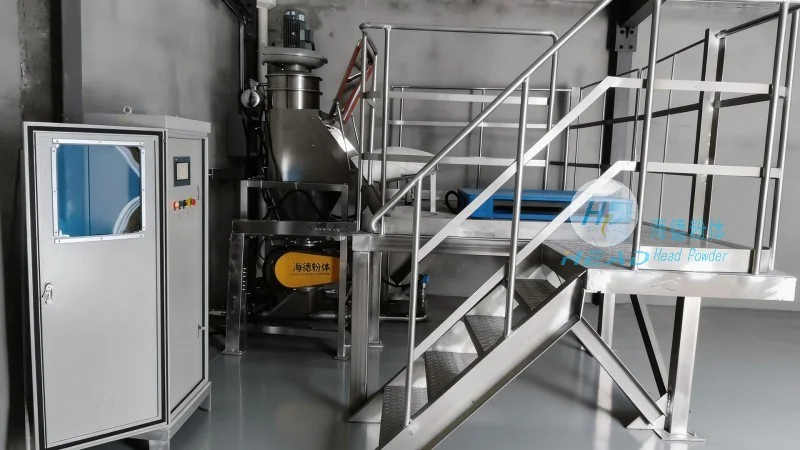
What is a Coffee Bean Material Conveying Line?
A coffee bean material conveying line is a dedicated infrastructure used to transfer coffee beans from one processing step to another in a coffee production plant. The system is engineered to handle the entire lifecycle of coffee beans, from raw green beans to roasted or ground products. It integrates components such as belt conveyors, screw conveyors, and pneumatic systems, tailored to the specific characteristics of coffee beans—varying sizes, shapes, and textures. The line is designed to maintain the integrity of the beans while ensuring seamless flow through the production process.
Design Principles of Coffee Bean Material Conveying Lines
The design of a coffee bean material conveying line is guided by several key principles to optimize performance, durability, and adaptability. First, the system must be constructed from materials resistant to the acidic and abrasive nature of coffee beans. Stainless steel and food-grade plastics are commonly used, as they are non-corrosive, easy to clean, and maintain hygiene standards. These materials also prevent contamination and ensure long-term reliability.
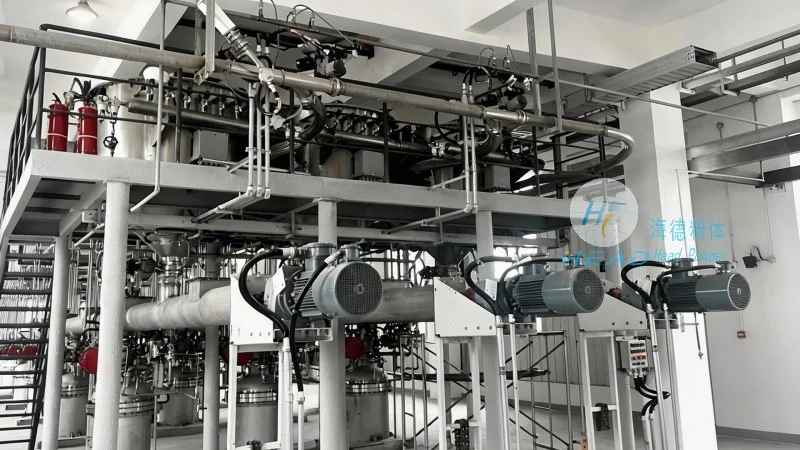
Second, the conveying line is engineered to handle the diverse physical properties of coffee beans. This includes designing components with adjustable speed controls, variable incline angles, and flexible conveyor belts to accommodate whole beans, roasted beans, or ground coffee. Gentle handling mechanisms, such as slow-moving belts or pneumatic systems, are incorporated to prevent bean breakage or damage, preserving the product's quality and appearance.
Third, the system integrates advanced control technologies for real-time monitoring and process optimization. Sensors detect bean levels in hoppers, conveyor speeds are regulated, and alarms are triggered for anomalies. This automation ensures the conveying line operates at peak efficiency, adapts to changes in production volume, and maintains consistent product quality. The control systems also enable remote monitoring, allowing operators to manage the line from a central station.
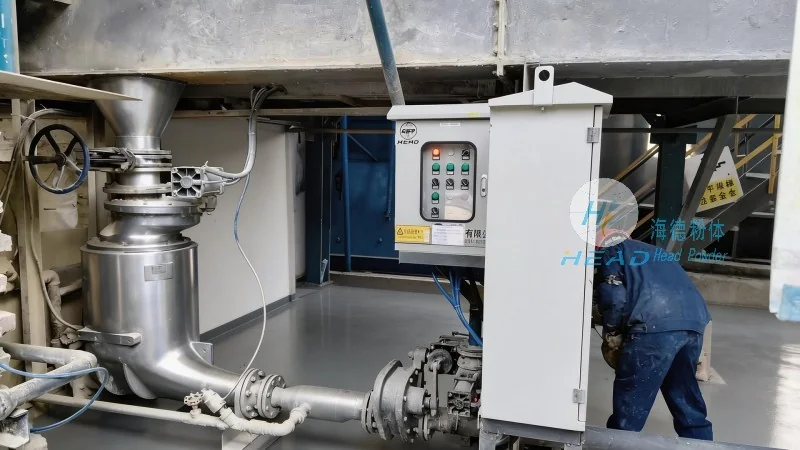
About Shandong HeadPowder Engineering Co., Ltd.
Shandong HeadPowder Engineering Co., Ltd., branded as HeadPowder, is a leading manufacturer specializing in equipment for the food processing industry, including coffee bean material conveying lines. HeadPowder is headquartered in Shandong, China, and has built a reputation for delivering high-quality, custom-designed conveying solutions tailored to the unique needs of coffee processing facilities. The company focuses on innovation, quality, and customer satisfaction, providing reliable equipment that enhances operational efficiency and product quality. HeadPowder's expertise in material handling systems has made it a trusted partner for businesses seeking advanced coffee processing equipment.
Conclusion
In conclusion, a coffee bean material conveying line is a critical component in modern coffee production, designed to streamline the movement of coffee beans and ensure operational efficiency. The design principles behind these systems prioritize durability, adaptability, and integration with advanced control technologies. With its commitment to quality and innovation, Shandong HeadPowder Engineering Co., Ltd. offers comprehensive solutions that meet the diverse requirements of coffee processing facilities worldwide, helping businesses maintain high standards of product quality and operational performance.




