Understanding the design principles and functionality of a lithium manganese oxide material conveying line is crucial for optimizing material handling processes in industrial applications. This article provides an in-depth look at the components, operational mechanisms, and engineering considerations that define such systems, with a focus on the specific requirements of handling lithium manganese oxide (LMO) materials.
Introduction to Lithium Manganese Oxide Material Conveying Lines
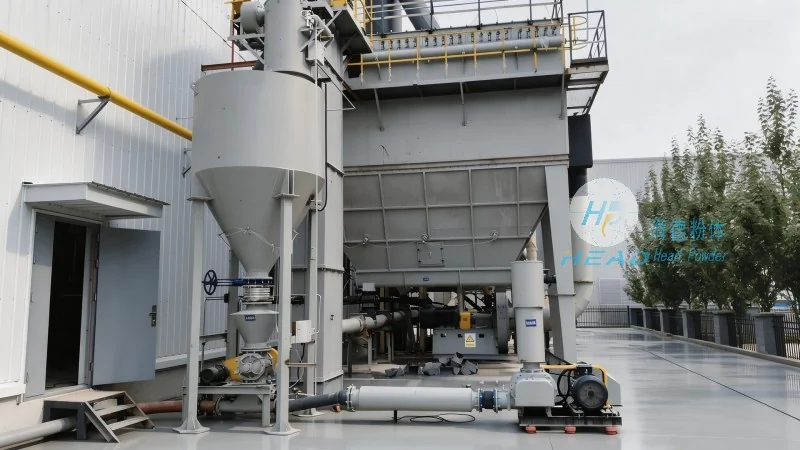
A lithium manganese oxide material conveying line is a specialized industrial system designed to transport and process lithium manganese oxide, a key component in lithium-ion battery cathode materials. These lines are integral to the production and handling of LMO, which is widely used in electric vehicle and energy storage applications due to its stability and performance characteristics. The conveying line integrates various equipment such as feeders, conveyors, storage hoppers, and control systems to ensure efficient material flow from raw material reception to processing or packaging stages.
Key Components of a Lithium Manganese Oxide Conveying Line
The design of a lithium manganese oxide material conveying line typically includes several critical components that work in tandem to achieve seamless material handling. These components are engineered to handle the specific properties of LMO, including its particle size, moisture content, and flow characteristics. The primary components include:
- Material Feeders: These devices are used to uniformly feed LMO into the conveying system. Common types include rotary valves, vibratory feeders, and screw feeders, which are selected based on the material's bulk density and flowability. The feeders ensure a consistent flow rate, preventing material buildup or blockages that could disrupt the entire line.
- Conveyors: Conveyors are the core of the material transport system, responsible for moving LMO from one stage to another. Belt conveyors, bucket elevators, and pneumatic conveying systems are commonly used. Belt conveyors are ideal for horizontal and slight incline transport, while bucket elevators are suitable for vertical lifting. Pneumatic conveying offers advantages in dust control and flexibility for long-distance or complex routing.
- Storage Hoppers: Storage hoppers are used to temporarily hold LMO before it is processed or transferred to the next stage. These hoppers are designed with sloped walls to facilitate material discharge and prevent bridging or caking, which can occur with certain LMO formulations. The hoppers are often equipped with level sensors and agitators to maintain material flow and prevent material degradation.
- Control Systems: Advanced control systems are integrated to monitor and regulate the operation of the conveying line. These systems use sensors to track material levels, flow rates, and equipment status, providing real-time data and alerts for any deviations from optimal performance. The control systems ensure safety, efficiency, and compliance with industrial standards.
Design Principles for Efficient Material Handling
The design principles of a lithium manganese oxide material conveying line are centered on maximizing efficiency, minimizing material loss, and ensuring safety. Key design considerations include:
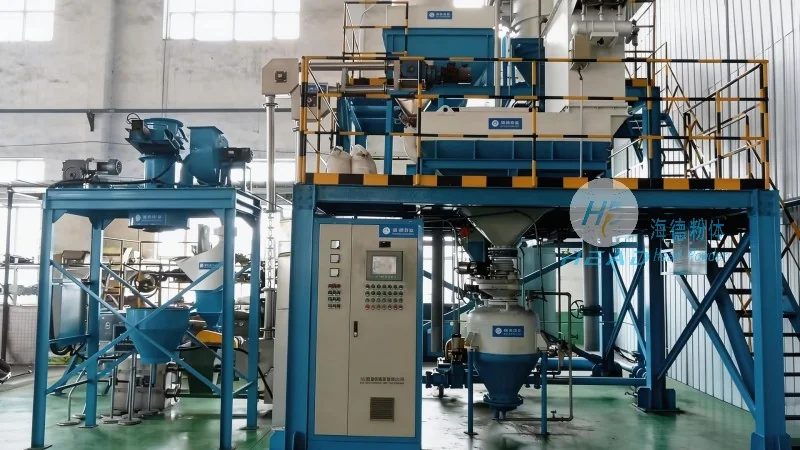
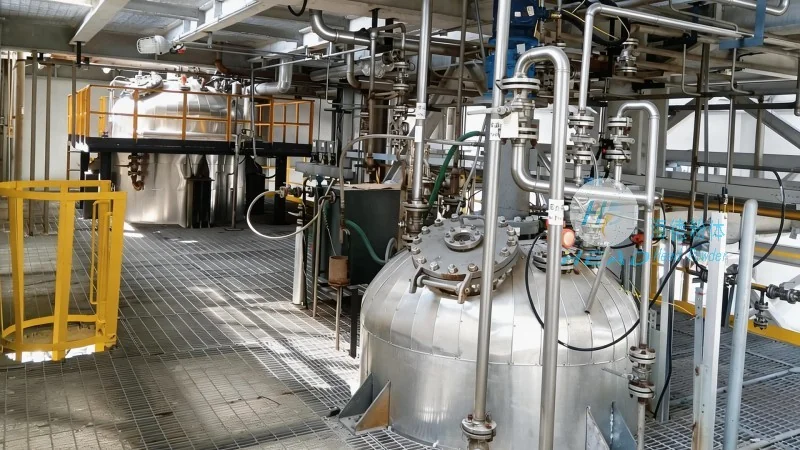
1. Material Compatibility: The entire system is designed to be compatible with LMO, considering its chemical and physical properties. Materials used for construction, such as stainless steel or corrosion-resistant alloys, are selected to prevent contamination and ensure durability. The design also accounts for the material's moisture sensitivity and potential for dust generation, incorporating features like dust collection and moisture control.
2. Flow Optimization: The layout and components of the conveying line are optimized to ensure smooth material flow. This includes proper slope angles for conveyors, adequate hopper dimensions to prevent bridging, and uniform feeding rates. The goal is to minimize energy consumption while maintaining high throughput, which is critical for cost-effective operations.
3. Safety and Environmental Considerations: Safety is a top priority in the design of LMO conveying lines. The system incorporates safety features such as emergency stop buttons, interlocks, and dust suppression systems to prevent accidents and environmental contamination. Environmental regulations are also considered, with features like dust collection and waste management integrated into the design.
Operational Mechanisms and Process Flow
The operational mechanism of a lithium manganese oxide material conveying line involves a sequential process that ensures the material is handled safely and efficiently. The typical process flow includes:
- Raw Material Reception: LMO is received from suppliers and stored in bulk storage silos. The material is then transferred to the conveying line via a receiving hopper.
- Feeding and Conveying: The material is fed from the storage hopper into the feeder, which regulates the flow rate. The feeder then transfers the material to the conveyor system, which transports it to the processing or packaging area.
- Processing or Packaging: At the end of the conveying line, the LMO is processed according to the specific requirements of the application (e.g., mixing, grinding, or packaging). The processed material is then stored or shipped.
Engineering Considerations for LMO Conveying Systems
Engineering the lithium manganese oxide material conveying line requires careful consideration of several factors to ensure long-term performance and reliability. These considerations include:
1. Equipment Selection: The choice of equipment depends on the specific characteristics of the LMO being handled. For example, if the material is fine and dusty, a pneumatic conveying system may be preferred over a belt conveyor to minimize dust and ensure clean handling. The selection also considers the required capacity and the distance over which the material needs to be transported.
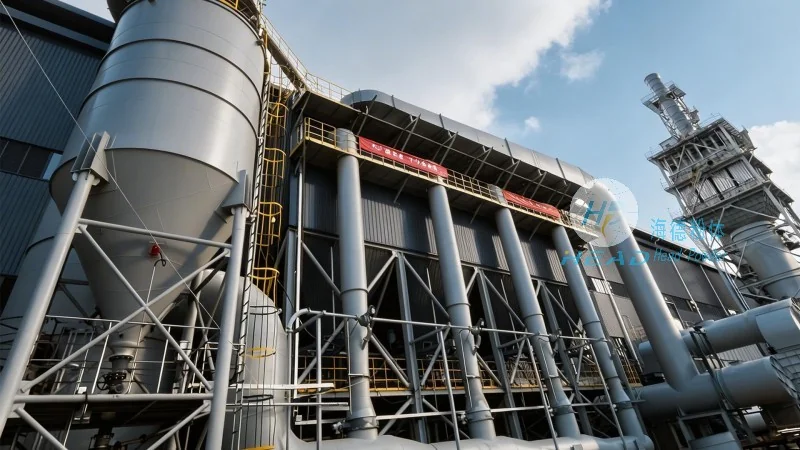
2. Maintenance and Maintenance Planning: Regular maintenance is essential to keep the conveying line operating at optimal levels. The design incorporates easy access points for maintenance and uses wear-resistant materials to reduce the frequency of replacements. A preventive maintenance schedule is recommended to identify and address potential issues before they cause downtime.
3. Scalability and Flexibility: The conveying line is designed to be scalable, allowing for future expansion or changes in production volume. The modular design enables the addition of new components or the modification of existing ones without major system overhauls. This flexibility is crucial for adapting to changing market demands or production requirements.
Conclusion
A lithium manganese oxide material conveying line is a sophisticated industrial system that plays a vital role in the production and handling of LMO materials. The design principles, components, and operational mechanisms are tailored to meet the specific requirements of LMO, ensuring efficient, safe, and reliable material handling. By understanding these aspects, manufacturers can optimize their processes and improve overall productivity. Shandong HeadPowder Engineering Co., Ltd., a leading provider of material handling solutions, specializes in designing and manufacturing such systems to meet the needs of the lithium-ion battery industry.




