HeadPowder, a leading engineering company based in Shandong, China, specializes in the design, manufacturing, and installation of advanced pneumatic conveying systems for various industrial applications. This article provides a detailed overview of the operation process and working principle of a zinc roast sand pneumatic conveying system, highlighting its key components, operational procedures, and technical advantages.
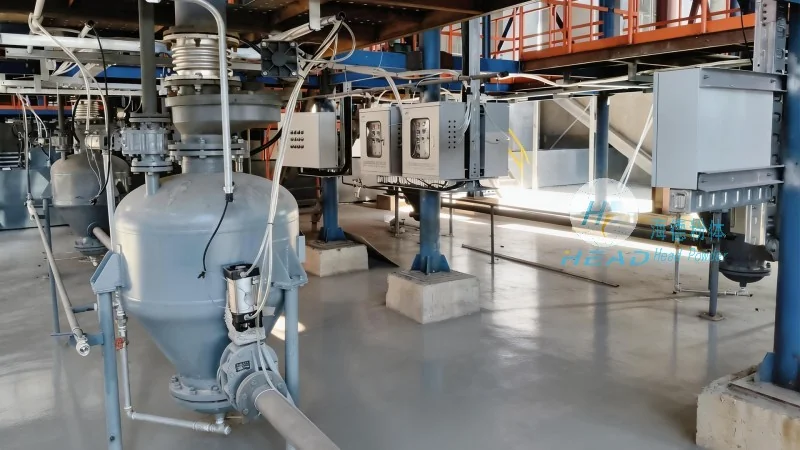
Company Profile and System Overview
Shandong HeadPowder Engineering Co., Ltd. is a professional enterprise dedicated to providing high-quality industrial solutions. The zinc roast sand pneumatic conveying system is a critical piece of equipment used in the zinc smelting and processing industry. It efficiently transports zinc roast sand, a byproduct of the zinc roasting process, from one location to another within the plant. The system is designed to ensure reliable, low-cost, and safe material handling, minimizing the risk of dust exposure and operational downtime.
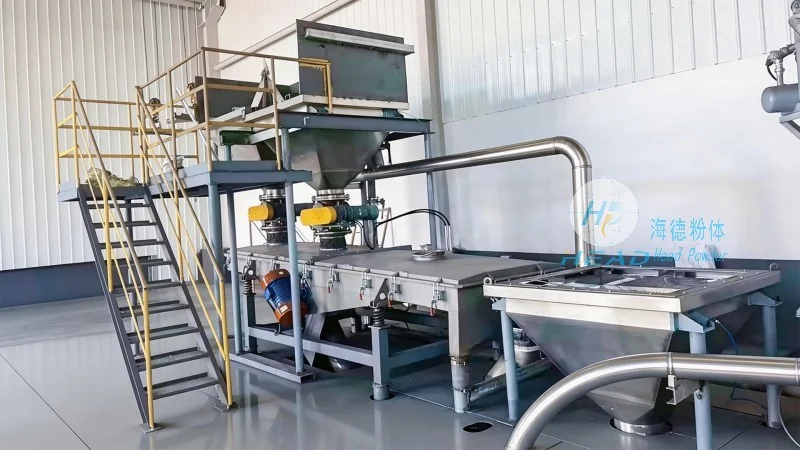
Key Components of the Pneumatic Conveying System
The zinc roast sand pneumatic conveying system comprises several essential components that work in tandem to achieve efficient material transport. These components include the hopper, feeder, air compressor, conveying pipeline, and control system. The hopper serves as the storage and feeding unit, where zinc roast sand is stored before being fed into the system. The feeder, typically a rotary valve or a screw feeder, regulates the flow rate of the material into the pipeline. The air compressor generates the necessary air pressure to create the conveying air flow. The conveying pipeline, usually made of stainless steel or other corrosion-resistant materials, transports the material and air mixture. The control system monitors and adjusts the system parameters to maintain optimal operation.
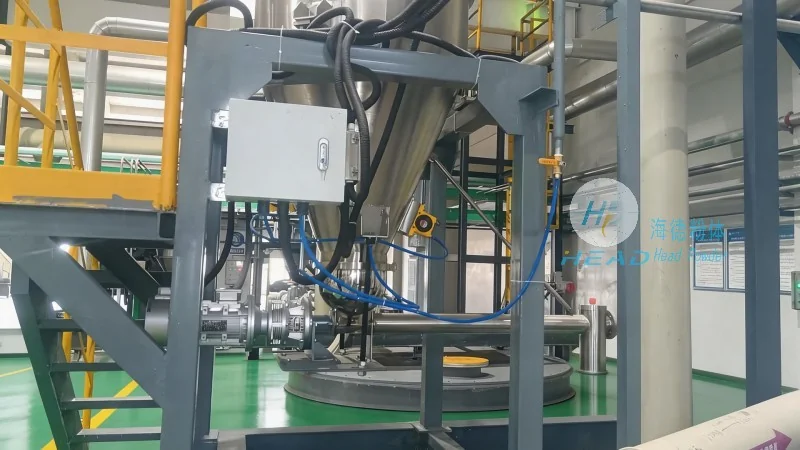
Operation Process of the Pneumatic Conveying System
The operation process of the zinc roast sand pneumatic conveying system involves several sequential steps. First, the zinc roast sand is loaded into the hopper. The feeder then starts to feed the material at a controlled rate into the conveying pipeline. Simultaneously, the air compressor supplies compressed air to the pipeline, creating a high-pressure air stream. The air stream, combined with the material, forms a dense phase or dilute phase flow, depending on the system design. The material is then transported through the pipeline to the discharge point. At the discharge end, the material is separated from the air using a cyclone separator or a filter, and the air is either recirculated or vented. The system continuously operates until the material is fully transferred from the hopper to the discharge point. Regular maintenance and monitoring are essential to ensure the system operates efficiently and reliably.
Working Principle of the Pneumatic Conveying System
The working principle of the zinc roast sand pneumatic conveying system is based on the principles of fluid dynamics and particle transport. The system uses compressed air to create a flow that carries the zinc roast sand particles through the pipeline. In the dense phase conveying mode, the air velocity is relatively low, and the material is transported as a slurry, with the air and material forming a homogeneous mixture. This mode is suitable for handling abrasive materials like zinc roast sand, as it reduces wear and tear on the pipeline. In the dilute phase conveying mode, the air velocity is higher, and the material is transported as individual particles suspended in the air. This mode is more energy-efficient but may require larger pipelines and higher air pressures. The system's control system adjusts the air pressure and flow rate to maintain the desired conveying mode and ensure stable operation.
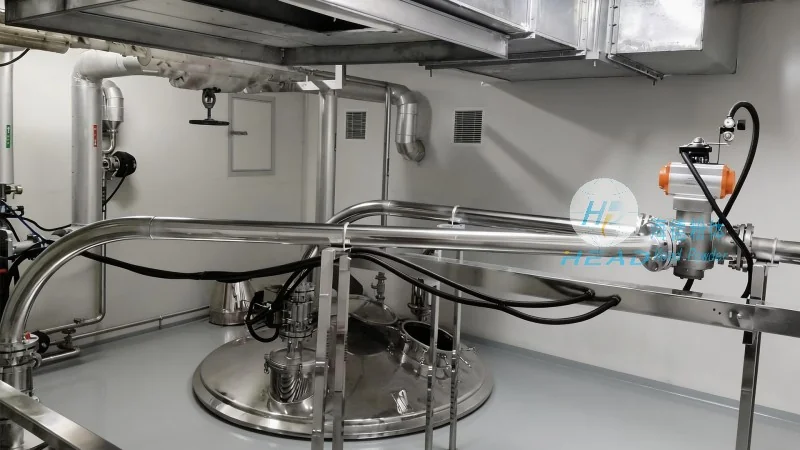
Technical Advantages and Applications
The zinc roast sand pneumatic conveying system offers several technical advantages over traditional mechanical conveying methods. It provides a dust-free and enclosed transport process, reducing the risk of dust exposure and environmental contamination. The system is also flexible and can be easily integrated into existing plant layouts, allowing for changes in material flow paths. Additionally, the system is energy-efficient and can handle a wide range of material properties, including abrasive, corrosive, and high-temperature materials. The system is widely used in the zinc smelting industry for transporting zinc roast sand from the roasting furnace to the storage silos or processing units. It is also applicable in other industries where similar materials need to be transported, such as the chemical and mining sectors.




