When it comes to efficient material handling in industrial settings, bulk bag handling systems have become a cornerstone for many operations. These systems are designed to streamline the process of loading, transporting, and unloading bulk materials, often in large quantities. Understanding what a bulk bag material handling system entails and its underlying design principles is crucial for optimizing workflow and ensuring safety in various industrial applications.
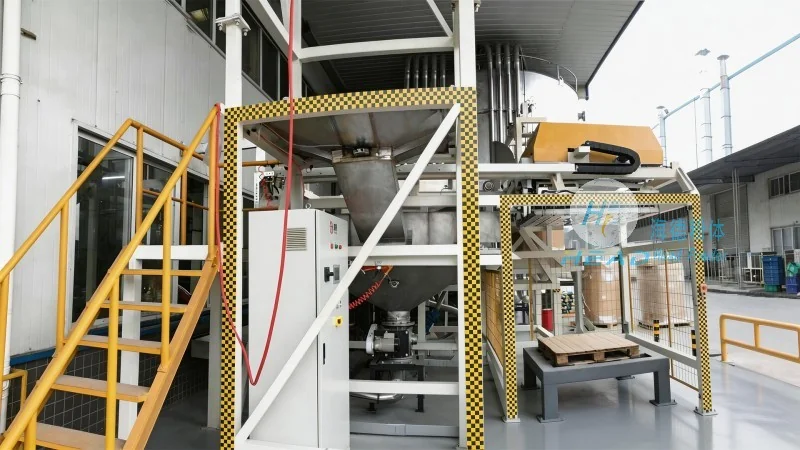
Introducing the Bulk Bag Material Handling System
A bulk bag, also known as a super sack or FIBCs (Flexible Intermediate Bulk Containers), is a large, flexible container used for transporting and storing bulk materials. These bags are typically made from woven polypropylene or similar materials, offering durability and flexibility. The bulk bag material handling system encompasses the equipment and processes required to manage these bags throughout their lifecycle—from filling at the source to discharge at the destination.
Key Components of a Bulk Bag Handling System
The effectiveness of a bulk bag material handling system relies on several key components that work in tandem to ensure smooth operation. These components include:
1. Bulk Bag Loaders: These machines are designed to fill bulk bags with materials, often from a hopper or silo. They can handle various bulk materials, such as powders, granules, or liquids, ensuring precise and controlled filling to prevent overfilling or underfilling.
2. Bulk Bag Lifters and Hoists: These devices are used to lift and move bulk bags from the ground to elevated positions, such as loading onto trucks or conveyor systems. They provide the necessary mechanical advantage to handle heavy loads safely and efficiently.
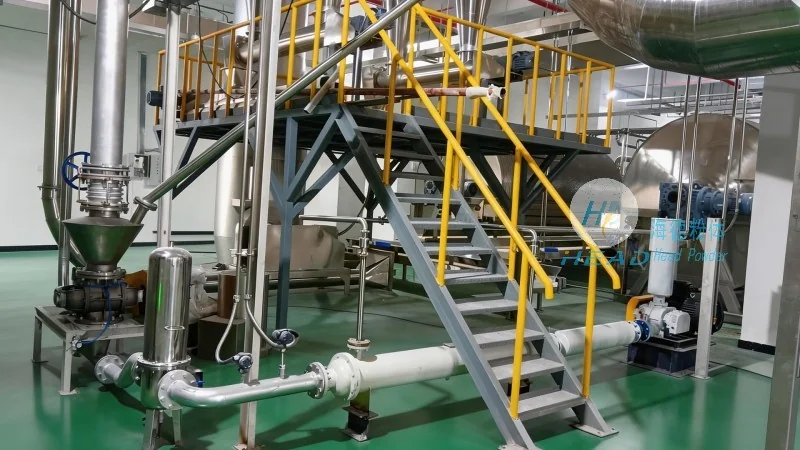
3. Bulk Bag Dischargers: Once the bulk bag reaches its destination, a discharger is used to empty the contents. These systems can be designed for bottom discharge, top discharge, or even side discharge, depending on the material and application requirements.
4. Bulk Bag Sealers and Ties: Proper sealing of the bulk bag is essential to prevent material spillage and contamination. Sealers and ties ensure that the bag remains intact during transport and handling.
Design Principles for Optimal Performance
The design of a bulk bag material handling system is guided by several key principles aimed at maximizing efficiency, safety, and cost-effectiveness. These principles include:
1. Material Compatibility: The system must be designed to handle the specific properties of the bulk material, such as its density, flowability, and potential for dust or dust explosion. For example, materials that are prone to static electricity may require grounding systems to prevent hazards.
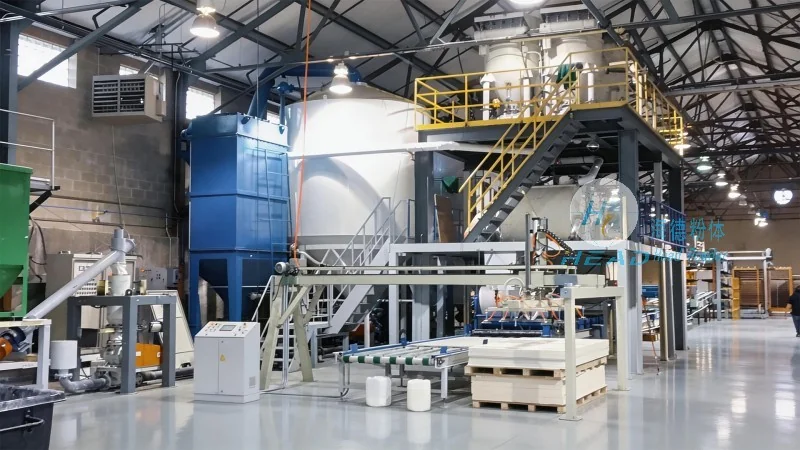
2. Load Capacity and Stability: The equipment must be capable of handling the weight of the filled bulk bag without compromising stability. This involves proper engineering of the lifting points and support structures to prevent tipping or structural failure.
3. Flow Control and Prevention of Bridging: To ensure smooth discharge, the system must prevent the material from forming a "bridge" or arching inside the bag. This can be achieved through the use of discharge aids, such as cones or vibrators, which help break up the material and promote uniform flow.
4. Environmental and Safety Considerations: The design must incorporate safety features to protect operators and the environment. This includes dust collection systems to control airborne particles, proper ventilation, and compliance with relevant safety regulations.
Applications and Benefits of Bulk Bag Handling Systems
Bulk bag material handling systems are widely used across various industries, including food processing, pharmaceuticals, chemicals, and construction. The benefits of these systems include:
1. Cost Efficiency: Using bulk bags reduces packaging costs compared to traditional containers like drums or bags, as they can hold significantly more material per unit.
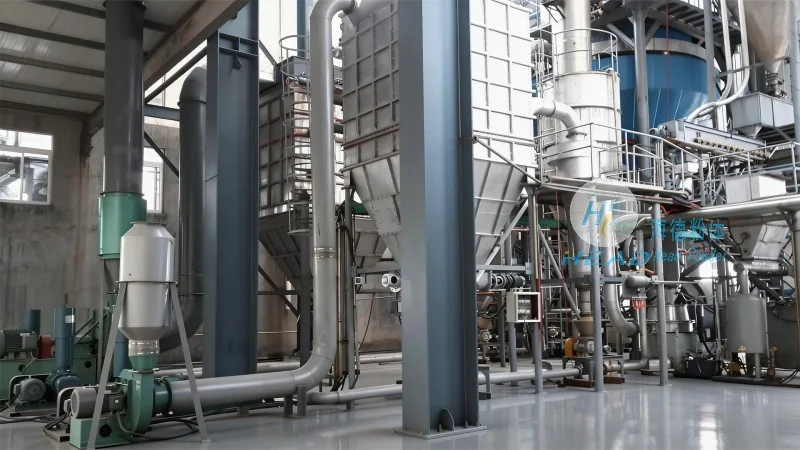
2. Space Savings: The flexible nature of bulk bags allows for efficient storage and transportation, as they can be stacked and stored in compact spaces.
3. Reduced Labor and Time: Automated bulk bag handling systems can reduce the need for manual labor, speeding up the loading and unloading processes and minimizing the risk of human error.
4. Improved Material Integrity: Proper handling and sealing of bulk bags help maintain the quality and purity of the material, preventing contamination and spoilage.
Conclusion
Understanding the components and design principles of a bulk bag material handling system is essential for businesses looking to optimize their material handling processes. By leveraging the right equipment and adhering to best practices, companies can enhance efficiency, reduce costs, and ensure safety in their operations. For more information on bulk bag handling solutions, contact Shandong HeadPowder Engineering Co., Ltd., a leading provider of material handling systems based in Shandong, China.




