For industrial applications that require efficient and reliable material handling, pneumatic conveying systems for limestone materials have become a critical component. The operation process and working principle of such equipment are designed to ensure optimal performance, safety, and durability in various production environments. This article provides a detailed overview of the key aspects involved in the operation of limestone material pneumatic conveying equipment, highlighting the technical aspects and practical considerations that contribute to its effective use.
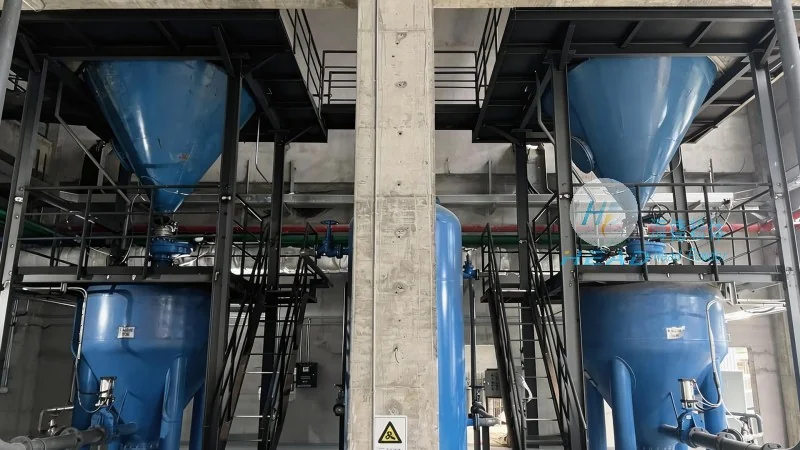
Overview of Limestone Material Pneumatic Conveying Equipment
Limestone, a widely used raw material in industries such as cement, steel, and chemical manufacturing, often needs to be transported over long distances or between different processing stages. Traditional methods like belt conveyors or bucket elevators may face challenges in handling dusty, abrasive, or high-volume limestone. Pneumatic conveying systems offer a solution by using air pressure to move the material through pipelines, reducing the need for mechanical components and minimizing maintenance. The equipment typically consists of a hopper, a blower or compressor, a pipeline system, and a discharge point, all working in tandem to achieve seamless material transport.
Key Components and Their Functions
The performance of limestone pneumatic conveying equipment relies on several key components, each playing a crucial role in the overall operation. The hopper serves as the storage and feeding unit, where limestone is loaded and fed into the system. It is designed with a sloped bottom to ensure smooth material flow and prevent blockages. The blower or compressor is the heart of the system, generating the necessary air pressure to move the material through the pipeline. It can be a positive displacement blower or a centrifugal fan, selected based on the material characteristics and required conveying distance. The pipeline system includes straight sections, bends, and elbows, which are carefully designed to minimize pressure loss and maintain consistent air flow. Finally, the discharge point, such as a silo or a processing unit, receives the material at the end of the conveying line.
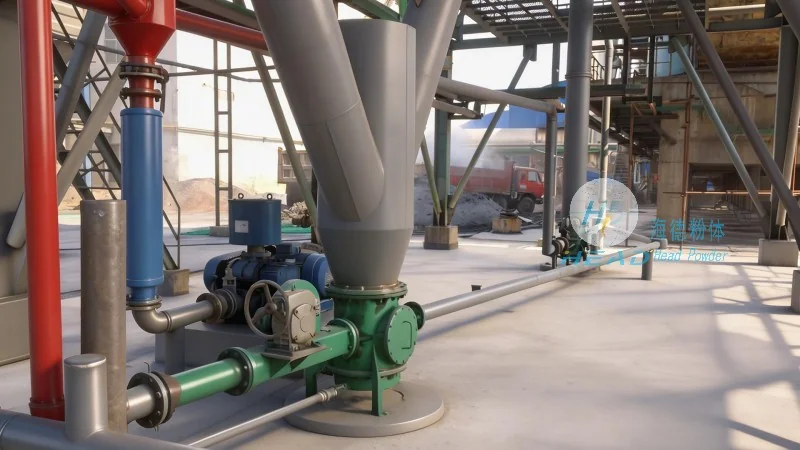
Operation Process of Limestone Pneumatic Conveying
The operation process of limestone pneumatic conveying equipment involves several sequential steps that ensure efficient material transport. The process begins with the loading of limestone into the hopper. The material is then fed into the pipeline as the blower starts operating, creating a vacuum or pressure differential that propels the material forward. As the material travels through the pipeline, it is suspended in the air stream, moving at high velocity. The pipeline design, including the angle and length of the lines, is critical to maintaining the material's suspension and preventing deposition. At the discharge point, the material is separated from the air stream, typically through a cyclone separator or a filter, and collected in the receiving vessel. The system may also include a cleaning cycle to remove any residual material from the pipeline, ensuring the equipment remains in optimal condition.
Working Principle of Pneumatic Conveying
The working principle of limestone pneumatic conveying is based on the fundamental concept of transporting particulate materials using air. There are two main types of pneumatic conveying systems: dilute-phase and dense-phase. Dilute-phase systems operate at higher air velocities, typically 20-30 m/s, and are suitable for short to medium distances. The material is suspended in the air stream, and the air velocity is sufficient to prevent particle settling. Dense-phase systems, on the other hand, operate at lower air velocities, around 5-10 m/s, and are used for longer distances or when handling more abrasive materials. In dense-phase systems, the material is conveyed in a slug or plug, reducing wear on the pipeline and equipment. The choice between these systems depends on factors such as material properties, conveying distance, and required flow rate.
Advantages of Using Limestone Pneumatic Conveying Equipment
Implementing pneumatic conveying systems for limestone materials offers several advantages over traditional methods. Firstly, it reduces the risk of dust exposure and improves workplace safety, as the material is contained within the pipeline. Secondly, it minimizes material degradation due to less contact with mechanical components and reduced friction. Thirdly, the system is compact and can be installed in confined spaces, saving valuable floor space. Additionally, pneumatic conveying allows for flexible routing of the pipeline, enabling the material to be transported to multiple destinations from a single source. The equipment also requires less maintenance compared to traditional conveyors, as there are fewer moving parts and less wear from abrasive materials.
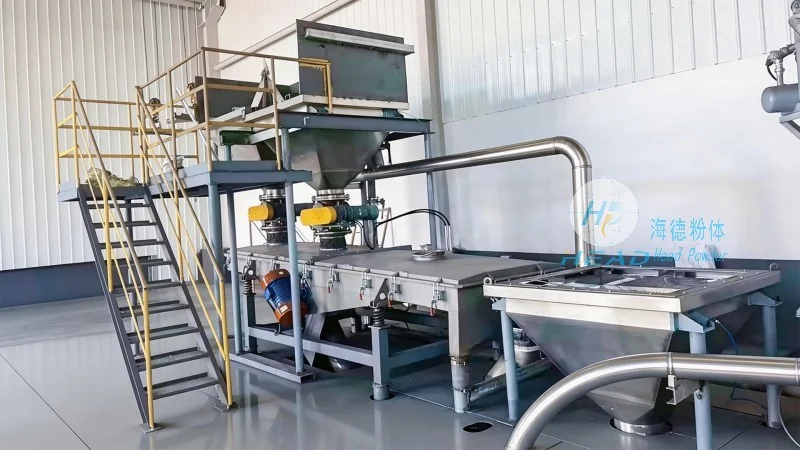
Company Profile: Shandong HeadPowder Engineering Co., Ltd.
Shandong HeadPowder Engineering Co., Ltd., a leading manufacturer of pneumatic conveying equipment, specializes in providing customized solutions for limestone material handling. With years of experience in the industry, the company has developed advanced technologies and robust designs that meet the diverse needs of its clients. The company's products are engineered to ensure high efficiency, reliability, and durability, with a focus on safety and environmental compliance. HeadPowder's team of engineers and technicians work closely with clients to understand their specific requirements and provide tailored solutions that enhance operational performance and reduce costs. The company's commitment to quality and innovation has earned it a reputation as a trusted partner in the material handling industry.
Conclusion
Limestone material pneumatic conveying equipment is a vital technology for modern industrial applications, offering efficient, safe, and reliable material transport solutions. By understanding the operation process and working principle of such equipment, industries can optimize their material handling processes, improve productivity, and reduce operational costs. With the expertise and experience of companies like Shandong HeadPowder Engineering Co., Ltd., the adoption of advanced pneumatic conveying systems has become more accessible and effective, contributing to the growth and development of various industrial sectors.




