For professionals in the oil and gas industry, the efficient and reliable transport of frac sand is a critical operation. The pneumatic conveying equipment designed by Shandong HeadPowder Engineering Co., Ltd. (commonly known as HeadPowder) addresses this need by providing a robust solution for handling frac sand materials. This article explores the operation process and working principle of this equipment, highlighting its design, functionality, and the key steps involved in its operation.
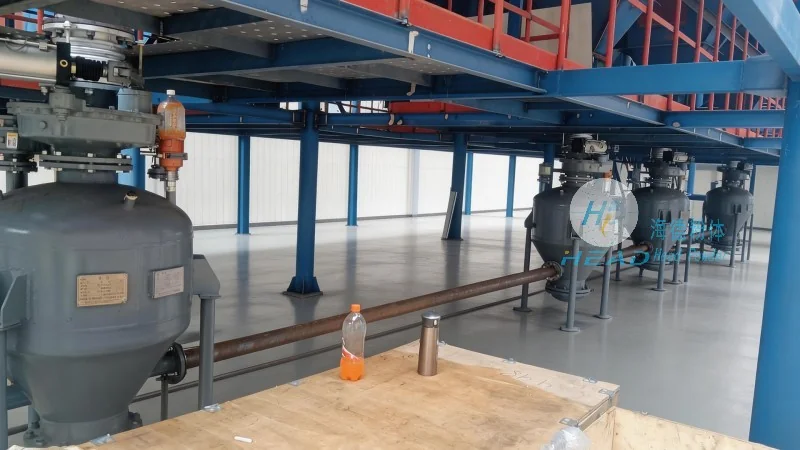
Company Overview: Shandong HeadPowder Engineering Co., Ltd.
HeadPowder, a leading manufacturer based in Shandong, China, specializes in engineering solutions for material handling and processing. With a strong commitment to quality and innovation, the company has developed advanced pneumatic conveying systems tailored to the demands of the frac sand industry. The company's headquarters and manufacturing facilities are located in Shandong, China, where they leverage local expertise and resources to deliver high-performance equipment.
Understanding Pneumatic Conveying for Frac Sand
Frac sand, a key component in hydraulic fracturing operations, requires specialized handling due to its abrasive nature and the need for precise control during transport. Pneumatic conveying systems offer an effective method to move frac sand from storage to processing or injection points without the need for mechanical components that could be damaged by the material. The equipment designed by HeadPowder incorporates advanced technology to ensure efficient, low-maintenance operation while maintaining the integrity of the frac sand.
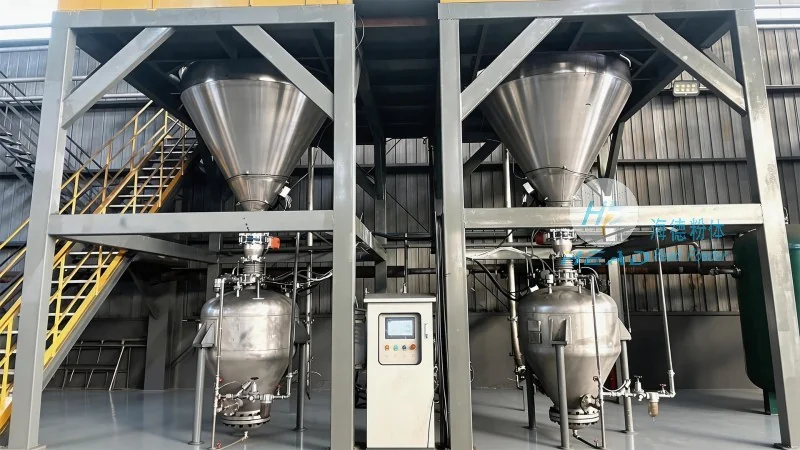
Operation Process of Frac Sand Pneumatic Conveying Equipment
The operation of the frac sand pneumatic conveying equipment involves several sequential steps that ensure smooth and continuous material transport. The process begins with the loading of frac sand into the hopper, where the material is stored before being introduced into the conveying system. A rotary valve or feeder then regulates the flow of sand into the conveying line, controlling the rate of material discharge. Compressed air, typically supplied by a high-pressure blower or compressor, is introduced into the conveying line, creating a flow that propels the sand particles through the system. The air-sand mixture travels through the pipeline, passing through various components such as elbows, bends, and filters to maintain the integrity of the material and prevent blockages. At the discharge point, the air is separated from the sand, often using a cyclone separator or a venturi system, allowing the sand to be deposited in the target location while the air is either recirculated or vented to the atmosphere.
Working Principle of the Pneumatic Conveying System
The core principle behind the operation of the frac sand pneumatic conveying equipment is the use of air as a medium to transport solid particles. The system operates on the principle of fluidization, where the air flow creates a suspension of the sand particles, allowing them to be carried through the pipeline. The pressure differential between the inlet and outlet of the conveying line drives the movement of the material. The design of the equipment, including the size of the hopper, the capacity of the feeder, and the pressure of the air supply, is critical to achieving optimal performance. The system is engineered to handle the specific characteristics of frac sand, such as particle size, density, and abrasiveness, ensuring that the conveying process is efficient and that the equipment remains durable over time.
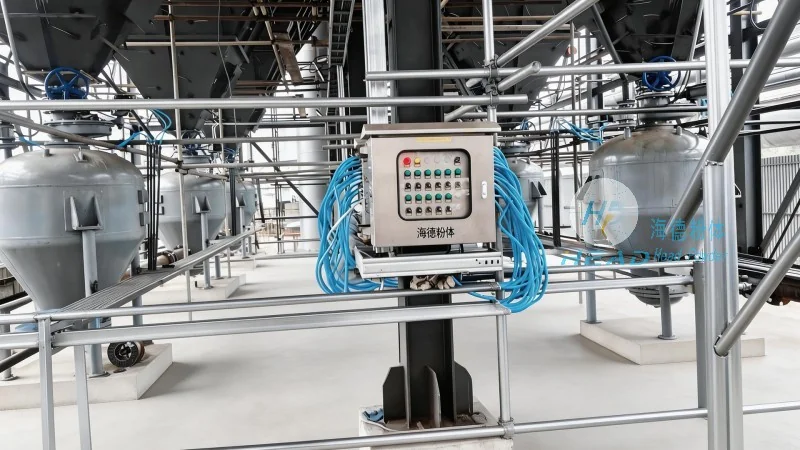
Key Components and Their Functions
The frac sand pneumatic conveying equipment consists of several key components, each playing a vital role in the overall operation. The hopper serves as the storage and feeding unit, providing a controlled environment for the sand to be introduced into the system. The rotary valve or feeder regulates the flow rate, preventing overloading and ensuring consistent material delivery. The air compressor or blower generates the necessary pressure to move the sand through the pipeline. The conveying pipeline, typically made of durable materials like stainless steel or high-density polyethylene, withstands the abrasive nature of the frac sand and the pressure of the air flow. The cyclone separator or venturi system at the discharge point separates the sand from the air, allowing for efficient collection and preventing air contamination. Filters and check valves may also be included to maintain system integrity and prevent backflow.
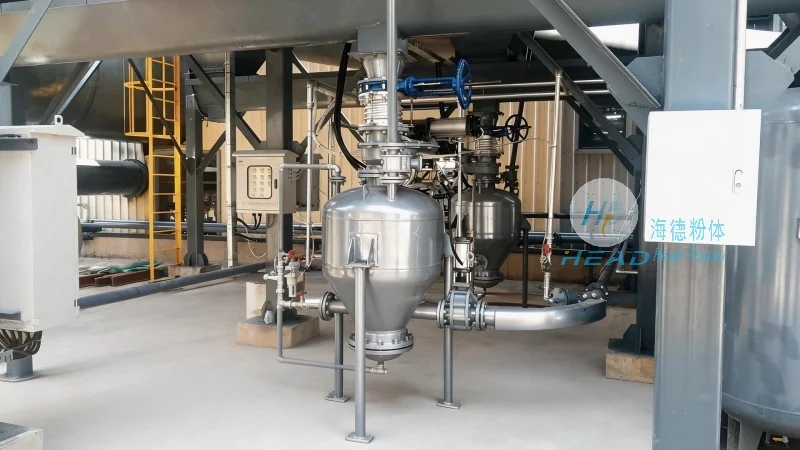
Advantages of Using Pneumatic Conveying for Frac Sand
Implementing pneumatic conveying systems for frac sand offers several advantages over traditional mechanical conveying methods. One of the primary benefits is the reduction in equipment wear and tear, as there are no moving parts in direct contact with the abrasive sand particles. This leads to lower maintenance costs and longer equipment lifespan. Additionally, pneumatic conveying allows for precise control over the flow rate and pressure, ensuring consistent material delivery to the injection points. The system also provides a dust-free operation, improving safety and reducing environmental impact. Furthermore, the ability to transport frac sand over long distances without the need for intermediate storage or transfer points enhances operational efficiency.
Conclusion
Shandong HeadPowder Engineering Co., Ltd. has developed a reliable and efficient pneumatic conveying equipment for frac sand material transport. By understanding the operation process and working principle of this equipment, users can appreciate the advanced engineering and design that enables smooth and continuous material handling. The company's commitment to quality and innovation ensures that their equipment meets the demanding requirements of the oil and gas industry, providing a durable and effective solution for frac sand transport. For those in need of such equipment, HeadPowder stands as a trusted partner, offering solutions tailored to the specific needs of frac sand operations.




