HeadPowder, a leading manufacturer based in Shandong, China, specializes in the design, development, and production of advanced pneumatic conveying systems tailored for handling salt materials. This article provides a detailed overview of the operation process and working principles of our salt material pneumatic conveying equipment, highlighting its efficiency, reliability, and industrial applications.
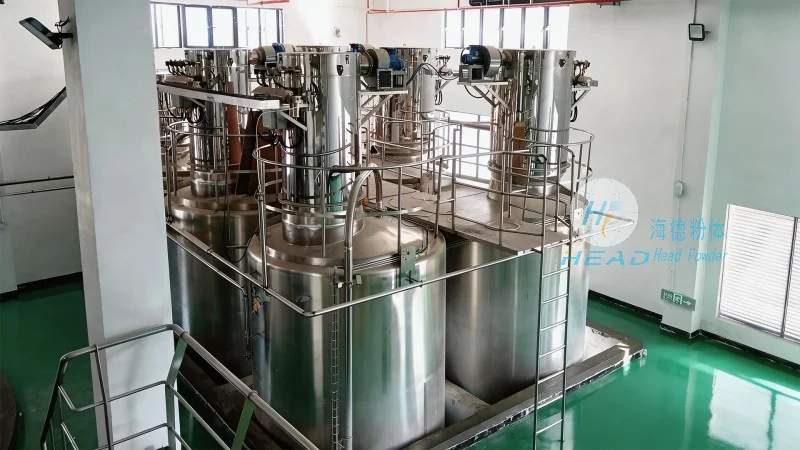
Introduction to Salt Material Pneumatic Conveying Equipment
Our salt material pneumatic conveying equipment is engineered to transport bulk salt efficiently and safely over long distances. The system combines the advantages of pneumatic conveying technology with specialized components to ensure optimal performance in various industrial settings. HeadPowder's solutions are designed to meet the specific requirements of salt processing facilities, offering solutions for both dry and wet salt handling scenarios.
Key Components and System Overview
The salt material pneumatic conveying system typically consists of several critical components, including a feeding hopper, a rotary valve, a conveying line, a filter and separator, and a discharge unit. The feeding hopper stores the salt and feeds it into the system at a controlled rate. The rotary valve acts as a gate to regulate the flow of salt into the conveying line. The conveying line, often made of stainless steel or other corrosion-resistant materials, transports the salt particles using air pressure. The filter and separator unit cleans the air and separates any residual salt particles, ensuring a clean and efficient operation. The discharge unit then delivers the salt to its final destination.
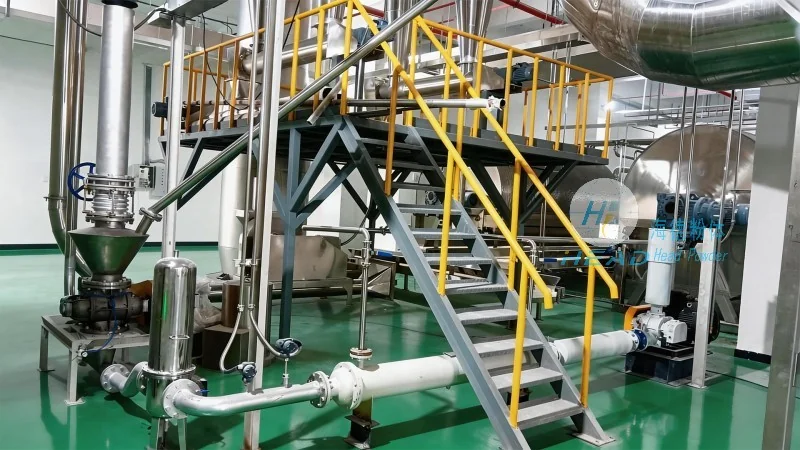
Operation Process of the Pneumatic Conveying System
The operation process of our salt material pneumatic conveying equipment begins with the loading of salt into the feeding hopper. The rotary valve then opens to allow the salt to enter the conveying line. Simultaneously, a fan or blower generates the necessary air pressure to move the salt particles through the system. As the salt travels through the conveying line, it is carried by the air stream, which ensures a consistent and uniform flow. The filter and separator unit continuously cleans the air, preventing any salt particles from being released into the environment. Once the salt reaches the discharge point, the rotary valve closes, and the system prepares for the next cycle. The entire process is automated and controlled by a programmable logic controller (PLC), which optimizes the operation and ensures consistent performance.
Working Principle of the Pneumatic Conveying System
The working principle of the salt material pneumatic conveying system is based on the principle of pneumatic transport, where solid particles are suspended and transported by a moving air stream. The system operates under positive pressure, meaning that the air pressure inside the conveying line is higher than the ambient air pressure. This pressure difference creates a force that propels the salt particles forward. The air velocity within the conveying line is carefully controlled to ensure that the salt particles are fully suspended and do not settle or clog the system. The filter and separator unit plays a crucial role in maintaining the air quality by removing any dust or particles, which prevents the system from clogging and ensures long-term reliability. The system's efficiency is enhanced by the use of specialized nozzles and bends that minimize pressure losses and maintain consistent air flow.
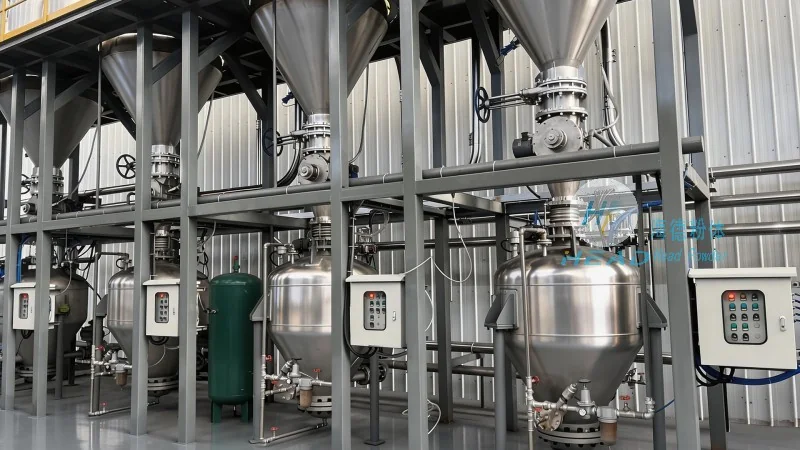
Advantages and Industrial Applications
Our salt material pneumatic conveying equipment offers several advantages over traditional conveying methods, such as belt conveyors or bucket elevators. The system is compact, requiring less floor space and reducing the need for complex infrastructure. It is also highly flexible, allowing for easy reconfiguration and adaptation to changing production needs. The equipment is suitable for various industrial applications, including salt processing plants, chemical manufacturing facilities, and food processing industries. It is particularly effective in handling fine or powdery salt, where traditional methods may cause dust and contamination. The system's ability to transport salt in a closed environment also helps to prevent environmental pollution and maintain product quality.
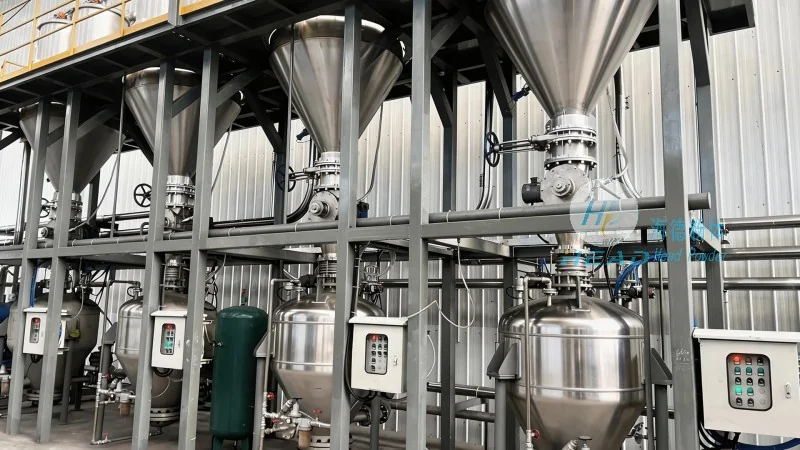
Maintenance and Operational Considerations
To ensure the long-term performance and reliability of the salt material pneumatic conveying equipment, regular maintenance is essential. HeadPowder recommends routine checks of the fan or blower, filter and separator unit, and rotary valve to ensure they are functioning correctly. The conveying line should be inspected for any signs of wear or damage, and the system should be cleaned regularly to prevent salt buildup. Proper operational considerations, such as maintaining the correct air pressure and flow rate, are crucial to avoid system clogs and ensure consistent performance. By following these guidelines, users can maximize the lifespan of the equipment and minimize downtime.
Conclusion
HeadPowder's salt material pneumatic conveying equipment provides an efficient, reliable, and cost-effective solution for transporting salt materials in various industrial applications. The system's advanced design and components ensure optimal performance, while the automated operation and maintenance guidelines help to minimize operational costs. With its headquarters in Shandong, China, HeadPowder continues to innovate and provide high-quality solutions tailored to the specific needs of its clients. Whether for new installations or system upgrades, our pneumatic conveying equipment is a superior choice for salt handling applications.




