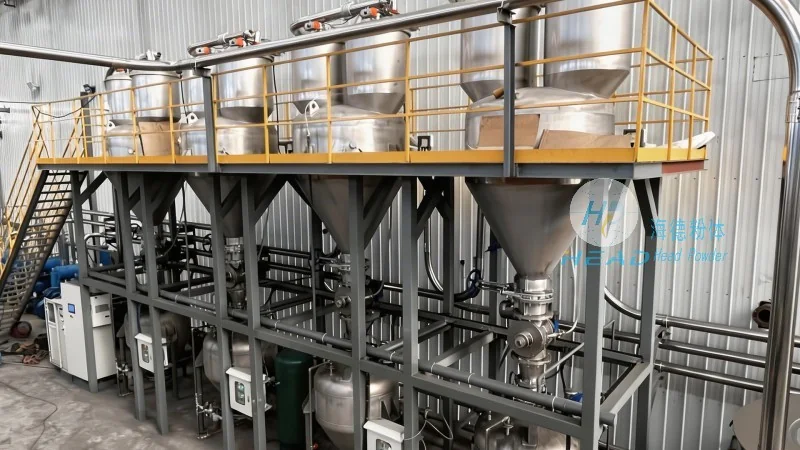
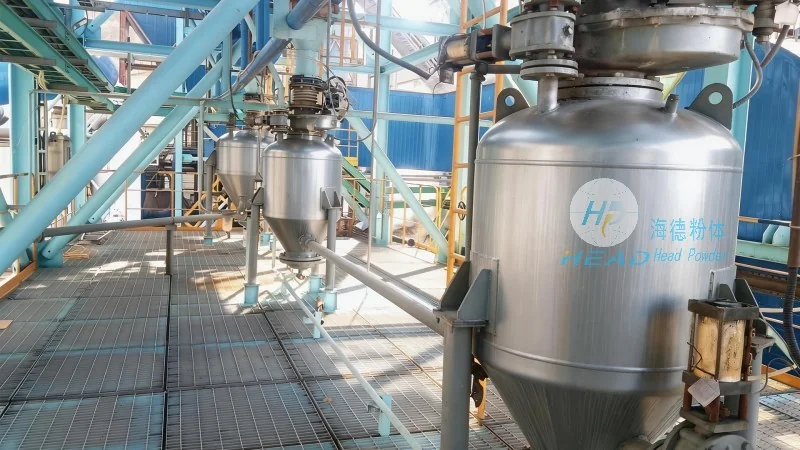
Shandong HeadPowder Engineering Co., Ltd. specializes in the design, manufacturing, and installation of advanced pneumatic conveying systems tailored for handling polyurethane materials. The operation of such equipment involves a systematic sequence of steps that ensure efficient and reliable material transport. The process typically begins with the loading of polyurethane pellets or powders into the hopper. From there, the material is drawn into the conveying line by a vacuum or pressure source, depending on the system configuration. The conveying line may include components like cyclones, filters, and expansion chambers to manage the flow and prevent blockages. The entire system is controlled by a programmable logic controller (PLC) that monitors pressure, flow rate, and other critical parameters to maintain optimal performance. Regular maintenance, such as cleaning the filter and checking for wear in the components, is essential to ensure the longevity and efficiency of the equipment.
The Working Principle of Pneumatic Conveying Systems for Polyurethane Materials
The core working principle of polyurethane material pneumatic conveying equipment is based on the movement of material particles within a gas stream. In a typical system, the polyurethane material is introduced into a hopper equipped with a feed mechanism. The material is then drawn into the conveying line by a vacuum pump or a positive displacement blower. The gas, often air, is introduced at a controlled pressure and velocity to create a stable flow of the material particles. The conveying line may consist of straight sections, bends, and fittings that are designed to minimize pressure loss and prevent material deposition. At the discharge end, the material is separated from the gas stream using a cyclone separator or a filter. The separated polyurethane material is then collected in a receiving hopper or container. The gas, now clean of material particles, is either vented to the atmosphere or recycled back into the system, depending on the design. This closed-loop or open-loop system ensures that the polyurethane material is transported safely and efficiently from the source to the destination, minimizing dust and contamination.
Key Components and Their Roles in the Equipment
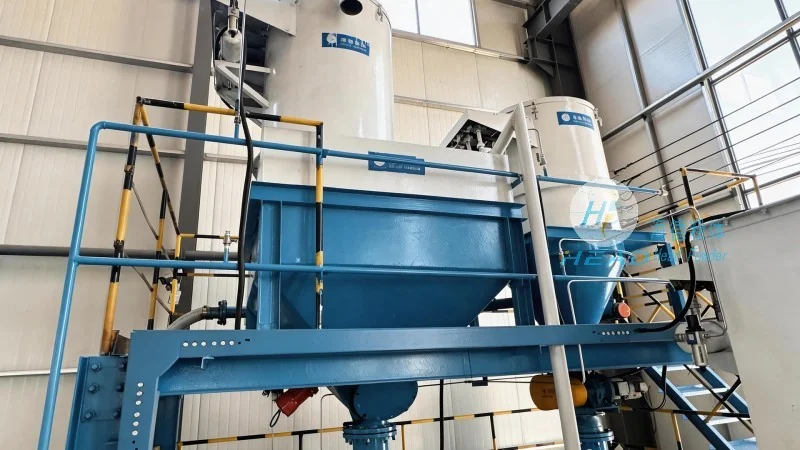
The pneumatic conveying equipment for polyurethane materials comprises several key components, each playing a crucial role in the overall operation. The hopper serves as the storage and feeding unit, where the polyurethane material is held before being introduced into the conveying line. The feed mechanism, such as a rotary valve or a star feeder, controls the flow rate of the material into the system, ensuring a consistent feed. The vacuum or pressure source provides the necessary force to move the material through the conveying line. The conveying line itself is made of materials resistant to the polyurethane material and the gas, such as stainless steel or special plastics, to prevent corrosion and wear. The cyclone separator or filter is essential for separating the material from the gas stream, preventing clogging and maintaining the system's efficiency. The control system, including sensors and a PLC, monitors and adjusts the parameters to optimize performance and prevent issues like overpressure or material blockage. Each component must be carefully selected and maintained to ensure the reliable operation of the entire system.
Advantages of Using Pneumatic Conveying for Polyurethane Materials
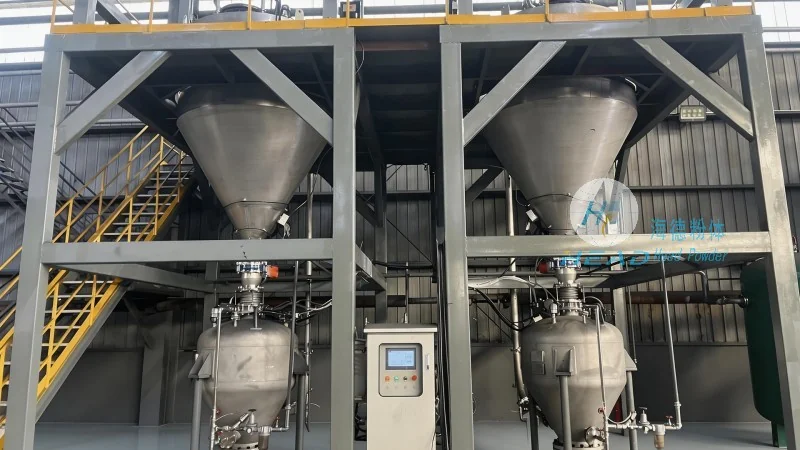
Implementing pneumatic conveying systems for polyurethane materials offers several advantages over traditional methods like bucket elevators or belt conveyors. One of the primary benefits is the ability to transport materials in a dust-free environment, which enhances workplace safety and reduces the risk of material contamination. The system also allows for the transportation of polyurethane materials over long distances without the need for multiple transfer points, improving operational efficiency. Additionally, pneumatic conveying systems can handle materials with varying particle sizes and shapes, making them suitable for a wide range of polyurethane products. The closed-loop design of the system minimizes energy consumption compared to open-loop systems, as the gas can be recycled. Furthermore, the equipment is relatively compact and can be installed in confined spaces, making it ideal for facilities with limited floor space. These advantages make pneumatic conveying an attractive solution for industries dealing with polyurethane materials, as it improves productivity, reduces maintenance costs, and enhances overall operational safety.




