Alumina, a critical material in various industrial applications, requires efficient and reliable handling systems to ensure smooth production processes. Pneumatic conveying equipment offers a sophisticated solution for transporting alumina from one location to another, combining efficiency with minimal environmental impact. This article delves into the operation process and working principle of such equipment, highlighting its key components and operational dynamics.
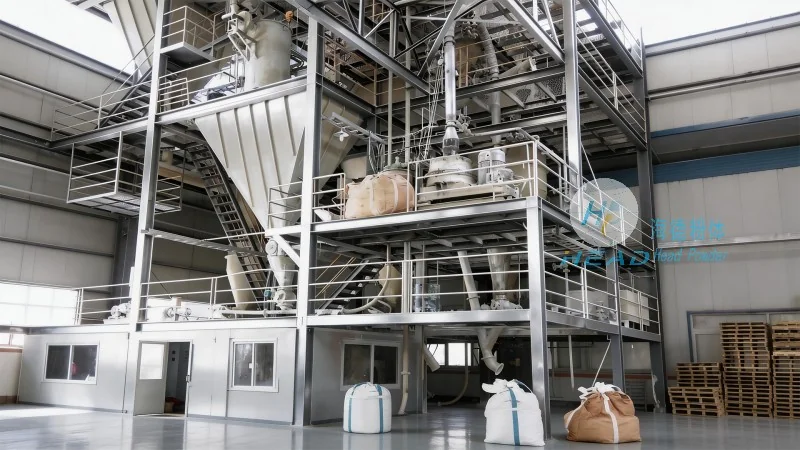
Key Components of Pneumatic Conveying Systems
The pneumatic conveying system for alumina typically consists of several essential components that work in tandem to achieve effective material transport. These include the hopper or feeder, which holds the alumina material; the air compressor or blower, which generates the necessary airflow; the pipeline system, which transports the material and air; and the receiver or discharge point, where the material is deposited. Each component plays a crucial role in maintaining the system's efficiency and reliability.
Working Principle of Pneumatic Conveying
The core principle of pneumatic conveying involves using compressed air to move alumina particles through a pipeline. The process can be categorized into two main types: dilute-phase and dense-phase conveying. In dilute-phase systems, the air velocity is high enough to keep the alumina particles suspended in the air stream, allowing for long-distance transport with minimal pressure drops. Dense-phase systems, on the other hand, operate at lower air velocities, where the particles move in a slurry-like state, reducing the risk of material degradation and blockages. The choice between these systems depends on the specific requirements of the alumina handling application, such as the distance to be covered and the material's characteristics.
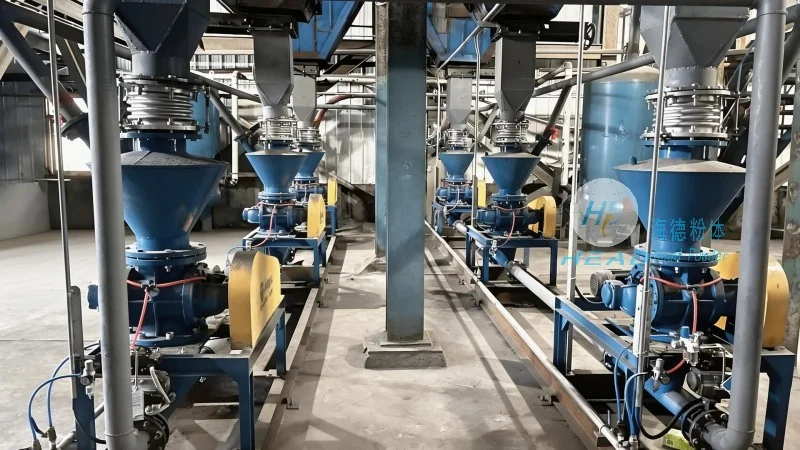
Operation Process of Alumina Pneumatic Conveying
The operation process of an alumina pneumatic conveying system begins with the loading of the material into the hopper. The feeder then controls the flow rate of alumina into the pipeline, ensuring a consistent supply. Simultaneously, the air compressor generates the required pressure and airflow, which is introduced into the pipeline at the inlet point. As the compressed air mixes with the alumina particles, they are carried through the pipeline to the discharge point. The receiver at the end of the system collects the alumina, and the air is either filtered and recycled or vented to the atmosphere. This continuous cycle allows for the efficient and uninterrupted transport of alumina, minimizing downtime and operational costs.
Advantages of Pneumatic Conveying for Alumina
Pneumatic conveying offers several advantages over traditional mechanical conveying methods for alumina. These include reduced material degradation due to minimal friction and impact, lower maintenance requirements as there are fewer moving parts, and the ability to handle a wide range of alumina particle sizes and moisture contents. Additionally, the system can be easily integrated with other industrial processes, such as dust collection and material storage, enhancing overall operational efficiency. The environmental benefits are also significant, as pneumatic conveying reduces the need for manual handling and minimizes the risk of dust emissions, contributing to a safer and cleaner working environment.
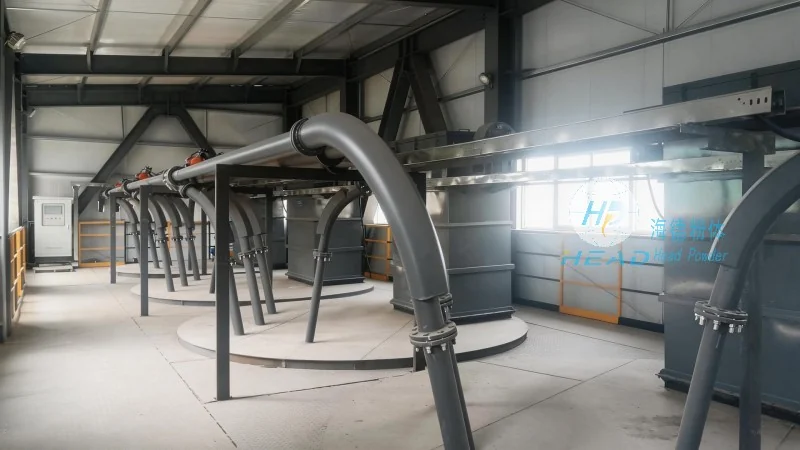
Application Examples in Alumina Processing
Alumina pneumatic conveying systems are widely used in various stages of alumina processing, from raw material handling to finished product transport. For instance, in the production of aluminum, alumina is often transported from storage silos to the digestion plant or from the calcination process to the packing facility. In the chemical industry, alumina is used as a catalyst or filler, and pneumatic conveying ensures that it is delivered to reactors or mixing tanks without any loss or contamination. The flexibility of the system allows it to be adapted to different production scales, from small-scale laboratory applications to large-scale industrial operations, making it a versatile solution for alumina handling needs.
Conclusion and Company Information
Alumina material pneumatic conveying equipment is a vital component in modern industrial operations, providing efficient, reliable, and environmentally friendly transport solutions. By understanding the working principle and operation process of these systems, industries can optimize their material handling processes, reduce costs, and enhance overall productivity. As a leading provider in this field, Shandong HeadPowder Engineering Co., Ltd. specializes in designing and manufacturing customized pneumatic conveying systems tailored to the specific needs of alumina processing applications. With a commitment to quality and innovation, HeadPowder ensures that its equipment meets the highest standards of performance and durability, supporting the long-term success of its clients in the alumina industry.




