Working Principle and Features of Fine Sand Material Transport Equipment
Release time:2026-09-17 23:01:22
name of the company:Shandong Headpowder Engineering Co., Ltd.
telephone:156-6277-7102
contacts:Zhang manager
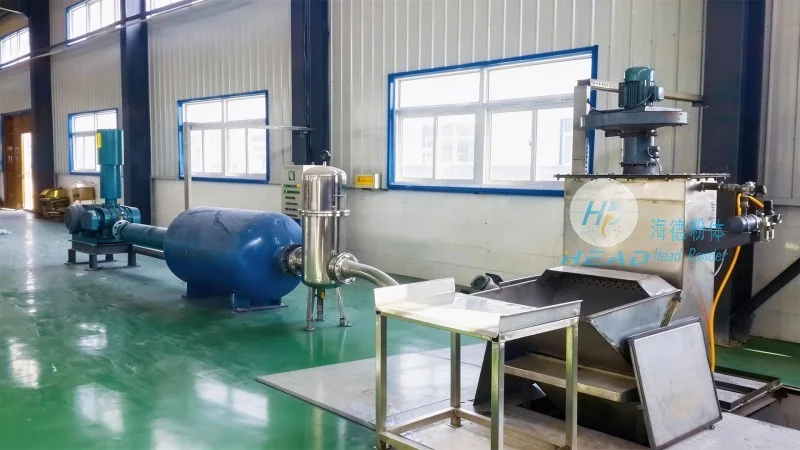
HeadPowder, a leading enterprise in the field of material handling technology, specializes in the design, manufacturing, and supply of advanced equipment for transporting fine sand materials. This article provides a detailed overview of the working principle and key features of such systems, highlighting their efficiency and reliability in industrial applications.
Company Overview and Core Expertise
Shandong HeadPowder Engineering Co., Ltd., commonly known as HeadPowder, is a professional manufacturer dedicated to providing high-quality solutions for material transport, especially for fine sand and similar granular materials. With a strong focus on innovation and precision engineering, the company has established itself as a trusted partner in various industries that rely on efficient sand handling processes. The company's headquarters is located in Shandong, China, where it operates its research and development centers, production facilities, and customer service teams.
The Working Principle of Fine Sand Material Transport Systems
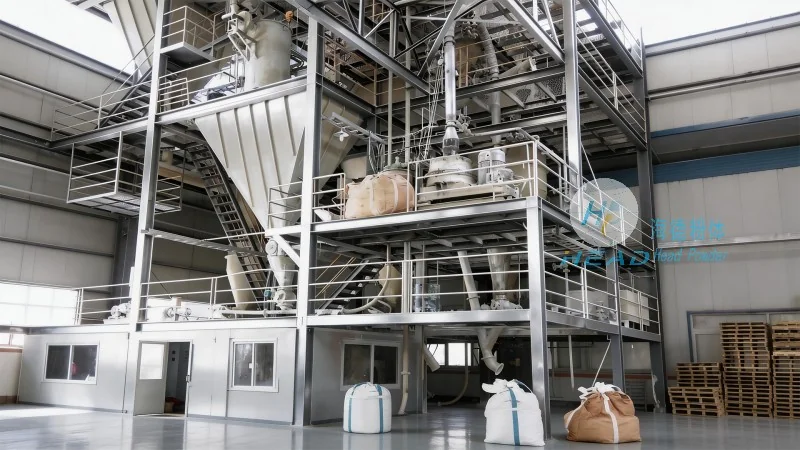
Fine sand material transport systems typically operate based on a combination of mechanical and pneumatic principles, designed to handle the unique challenges of transporting fine particles. The core components of these systems include feeders, conveyors, and control units, each playing a crucial role in the overall process. The working principle can be broken down into several key steps:
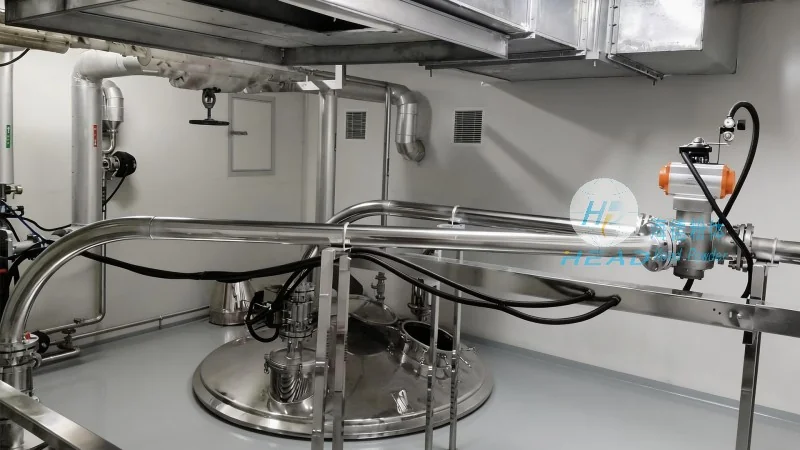
- Material Feeding: The process begins with the feeding of fine sand into the system. This is often achieved through a hopper or a feeder that ensures a consistent and controlled flow of material. The feeder may use gravity or mechanical force to move the sand from the storage area to the conveyor section.
- Conveying Mechanism: Once the sand is fed into the system, it is transported through a conveyor. The most common types of conveyors used in fine sand transport include belt conveyors, screw conveyors, and pneumatic conveyors. Each type has its own advantages depending on the specific application and material characteristics. For example, belt conveyors are suitable for horizontal or slight incline transport, while screw conveyors are ideal for vertical or inclined movement. Pneumatic conveyors, on the other hand, use air pressure to move the sand, which is particularly effective for handling fine and dusty materials.
- Control and Regulation: The system is equipped with advanced control units that monitor and regulate the flow of sand. These units may include sensors to detect the level of material in the hopper, speed controllers for the conveyor, and safety mechanisms to prevent overloading or blockages. The control system ensures that the transport process is smooth, efficient, and safe, minimizing downtime and maximizing productivity.
Key Features of Fine Sand Material Transport Equipment
HeadPowder's fine sand material transport equipment is characterized by several notable features that enhance its performance and usability in industrial settings. These features are designed to address the specific needs of customers and to improve the overall efficiency of sand handling operations. The key features include:
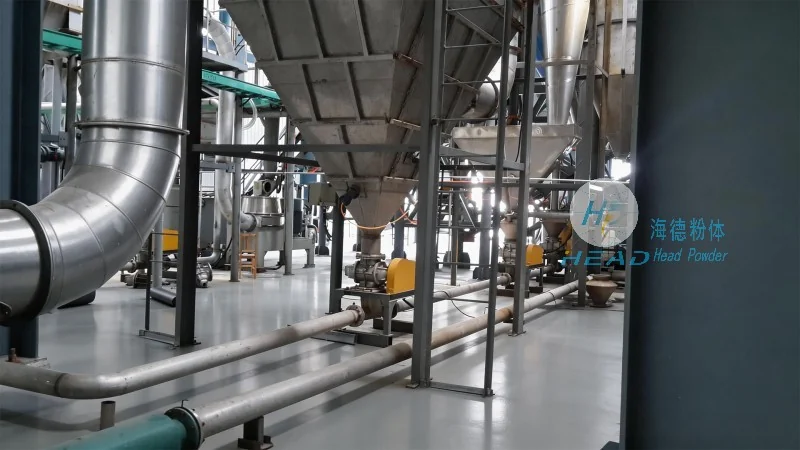
- High Efficiency and Low Maintenance: The equipment is engineered to deliver high transport efficiency with minimal maintenance requirements. Advanced materials and robust construction ensure durability and long service life, reducing the need for frequent repairs and replacements. This results in lower operational costs and higher return on investment for the users.
- Adaptability to Different Materials: The systems are designed to handle a wide range of fine sand materials, including different types of sand, gravel, and other granular substances. The adjustable parameters, such as conveyor speed and air pressure in pneumatic systems, allow for customization to suit various material characteristics and transport requirements. This adaptability makes the equipment versatile and suitable for diverse industrial applications.
- Energy Efficiency and Environmental Considerations: Modern fine sand transport systems prioritize energy efficiency and environmental sustainability. The use of energy-saving motors, optimized conveyor designs, and efficient control systems reduces energy consumption and operational costs. Additionally, features like dust collection and filtration systems help minimize environmental impact and ensure compliance with safety regulations. These considerations make the equipment not only cost-effective but also environmentally responsible.
- Safety and Reliability: Safety is a top priority in the design of HeadPowder's fine sand transport equipment. The systems are equipped with multiple safety features, including overload protection, emergency stop buttons, and automatic shut-off mechanisms. These features help prevent accidents and ensure the safety of operators and equipment. The robust construction and reliable performance of the equipment also contribute to its high level of reliability, minimizing downtime and ensuring consistent operation.
Application Scenarios and Industry Benefits
Fine sand material transport systems are widely used in various industries where the handling of fine sand is essential. Some common application scenarios include construction sites, mining operations, and manufacturing facilities that produce or use sand as a raw material. The benefits of using such systems in these industries are significant, including improved productivity, reduced labor costs, and enhanced safety. For example, in construction, the efficient transport of sand to different parts of the site can accelerate project timelines and reduce material handling errors. In mining, the reliable transport of sand from extraction sites to processing facilities ensures a continuous supply of raw materials. In manufacturing, the consistent delivery of sand to production lines improves the quality and efficiency of the production process.




