When it comes to the efficient handling and transportation of sorghum powder, specialized equipment plays a crucial role in ensuring smooth operations within processing facilities. This article delves into the concept of sorghum powder conveying equipment, exploring its functions, key components, and the underlying design principles that make it effective for industrial applications.
Understanding Sorghum Powder Conveying Equipment
Sorghum powder conveying equipment is specifically engineered to transport sorghum-derived powders, such as flour or meal, from one location to another within a processing plant. These systems are essential for maintaining productivity and ensuring consistent quality in industries like food processing, animal feed production, and biofuel manufacturing. The equipment is designed to handle the unique properties of sorghum powder, which can vary in moisture content, particle size, and flow characteristics, requiring specialized mechanisms to prevent issues like clogging, segregation, or degradation.
Key Components of Sorghum Powder Conveying Systems
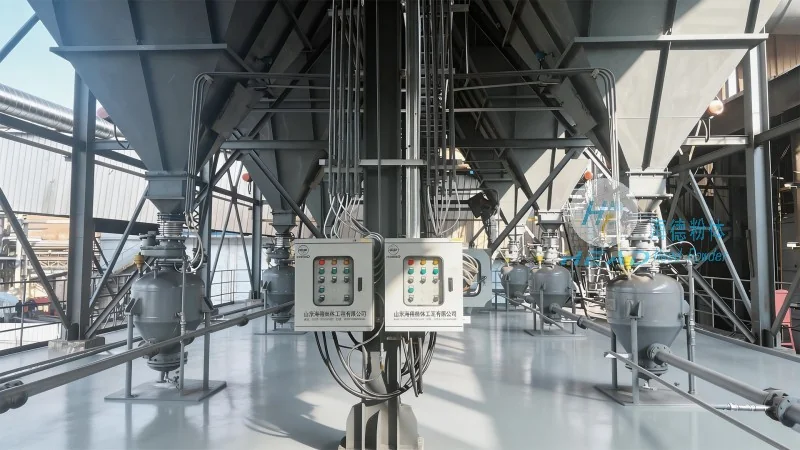
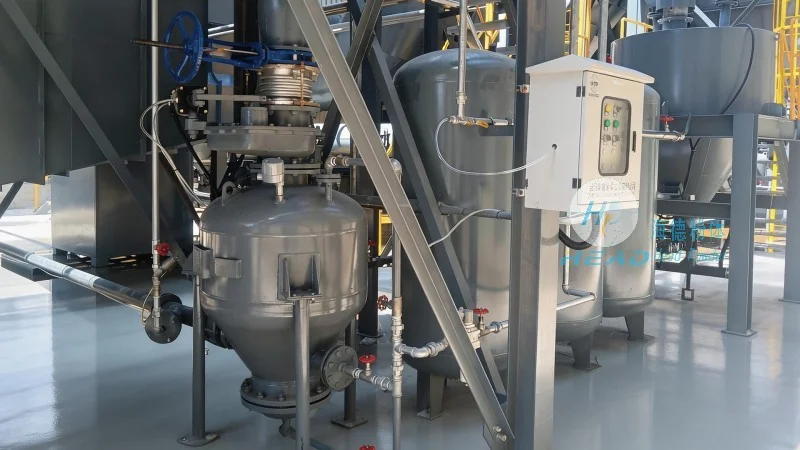
The core components of a sorghum powder conveying system typically include a hopper for material storage, a feeding mechanism to control the flow of powder, a conveying device (such as a screw conveyor, pneumatic conveyor, or bucket elevator), and a discharge system to deliver the material to its destination. Each component is carefully selected and integrated to optimize the performance of the entire system.
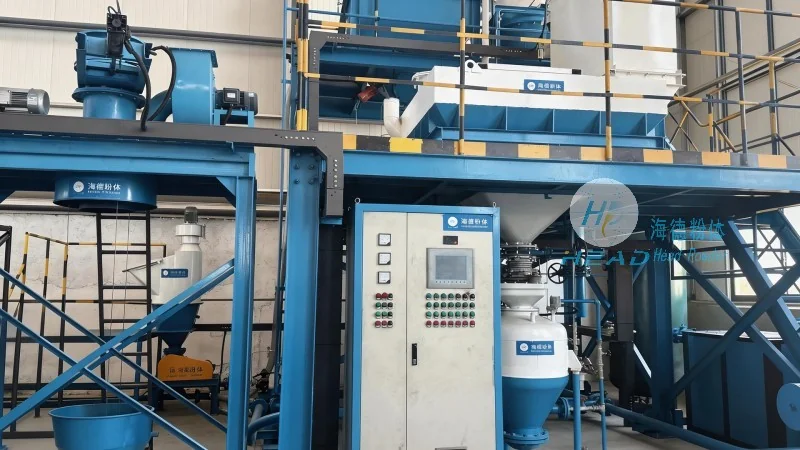
For instance, the hopper is often designed with a sloped bottom to facilitate material flow and prevent bridging, which can occur with fine powders like sorghum. The feeding mechanism, such as a rotary valve or a star feeder, regulates the quantity of powder entering the conveyor, ensuring a consistent and controlled feed rate. The conveying device itself is tailored to the specific characteristics of sorghum powder; for example, a screw conveyor may be used for horizontal or slight incline transport, while a pneumatic conveyor is suitable for longer vertical or horizontal distances, especially when dealing with dust or fine particles.
Design Principles for Efficient Sorghum Powder Conveying
The design of sorghum powder conveying equipment is guided by several key principles aimed at maximizing efficiency, minimizing material loss, and ensuring safety. One fundamental principle is the prevention of material degradation, which can occur due to friction, impact, or excessive heat during transport. To address this, equipment is often constructed with materials that are non-abrasive and resistant to wear, such as stainless steel or specialized plastics. Additionally, the design incorporates features to minimize air resistance and maintain consistent particle size distribution, which is critical for maintaining the quality of the final product.
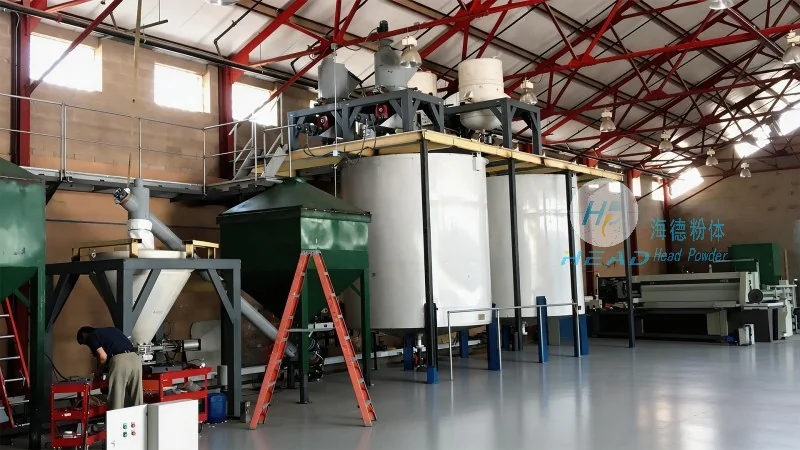
Another important design principle is the control of moisture content and temperature. Sorghum powder can be sensitive to moisture, which can lead to caking or microbial growth. Therefore, conveying systems may include drying or cooling sections to maintain optimal moisture levels. The design also emphasizes the prevention of segregation, where different particle sizes or densities separate during transport. This is achieved through the use of uniform conveying speeds, proper hopper design, and the integration of mixing or blending mechanisms within the system.
Applications and Benefits of Sorghum Powder Conveying Equipment
Sorghum powder conveying equipment is widely used in various industrial sectors, including food processing, animal feed manufacturing, and biofuel production. In food processing, it facilitates the transport of sorghum flour for use in baking, brewing, or other food products. In animal feed production, it ensures the efficient handling of sorghum meal, which is a valuable ingredient in livestock diets. The benefits of these systems extend beyond just material transport; they contribute to overall operational efficiency, reduce labor costs, and enhance product quality by minimizing handling-related issues.
Conclusion
In conclusion, sorghum powder conveying equipment is a vital component in industrial processing facilities, designed to handle the unique challenges of transporting sorghum-derived powders. By adhering to key design principles and incorporating specialized components, these systems ensure efficient, safe, and reliable material transport. For businesses operating in the sorghum processing industry, investing in high-quality conveying equipment is essential for maintaining productivity and meeting the demands of modern production.




