For agricultural operations, the efficient and safe transportation of fertilizer powders is crucial. Fertilizer powder conveying equipment plays a vital role in this process, ensuring that raw materials are moved from storage to processing areas without loss or contamination. This article explores the fundamental aspects of such equipment, focusing on its design principles and operational significance.
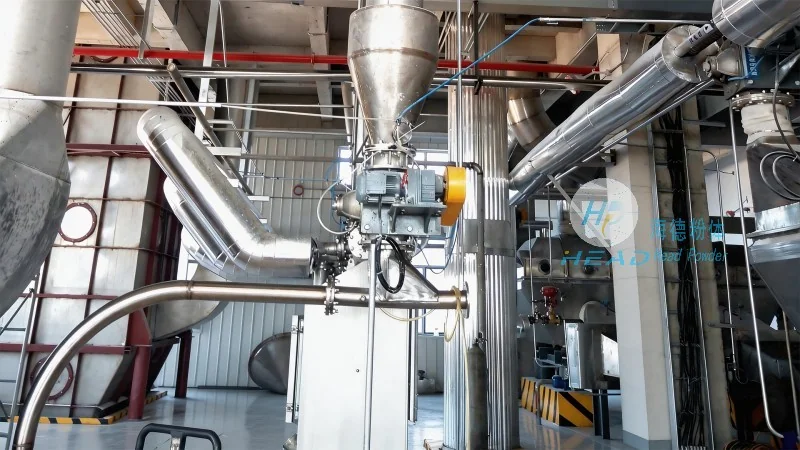
Understanding the Role of Fertilizer Powder Conveying Equipment
In modern agricultural and industrial settings, fertilizer powders are often stored in bulk and require specialized equipment to handle their transport. These materials can be abrasive, dusty, and prone to caking, making standard conveying systems unsuitable. The equipment designed for this purpose must address these challenges while maintaining high efficiency and reliability. Companies like Shandong HeadPowder Engineering Co., Ltd. specialize in developing tailored solutions that meet the specific needs of fertilizer handling operations.
Key Design Principles for Fertilizer Powder Conveying Systems
The design of fertilizer powder conveying equipment is governed by several critical principles aimed at optimizing performance and safety. First, the system must ensure minimal product degradation during transport. This involves selecting materials that are resistant to corrosion and wear, as well as designing components that prevent particle breakage or agglomeration. Second, the equipment must maintain a consistent flow rate to avoid overloading or underloading of downstream processes. This is achieved through precise control mechanisms, such as variable speed drives and pressure sensors, which adjust the conveying speed based on real-time conditions.
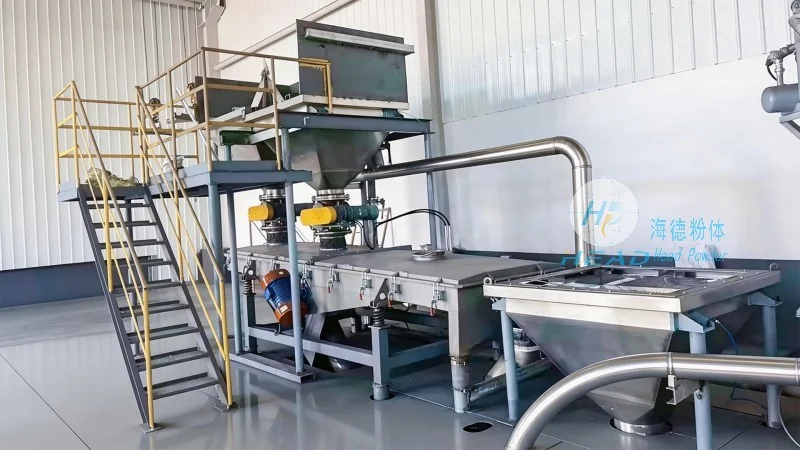
Components and Functionalities of the Equipment
Typical fertilizer powder conveying equipment consists of several key components that work in tandem to achieve efficient transport. These include hoppers for material storage, feeders to regulate the flow of powder into the conveying system, and the main conveying mechanism itself—such as screw conveyors, pneumatic systems, or bucket elevators. The choice of component depends on factors like the bulk density of the fertilizer, the required conveying distance, and the environmental conditions of the operation. For example, pneumatic conveying systems are ideal for long-distance transport of fine powders, while screw conveyors are better suited for shorter distances and bulkier materials.
Ensuring Safety and Compliance in Design
Another critical aspect of fertilizer powder conveying equipment design is safety. Fertilizers can be hazardous if not handled properly, and the equipment must comply with industry standards and regulations. This includes features like dust suppression systems to prevent airborne particle dispersion, explosion-proof designs for areas with flammable dust, and emergency shut-off mechanisms to stop the system in case of malfunctions. Shandong HeadPowder Engineering Co., Ltd. incorporates these safety measures into their designs, ensuring that their equipment not only performs efficiently but also protects operators and the environment.
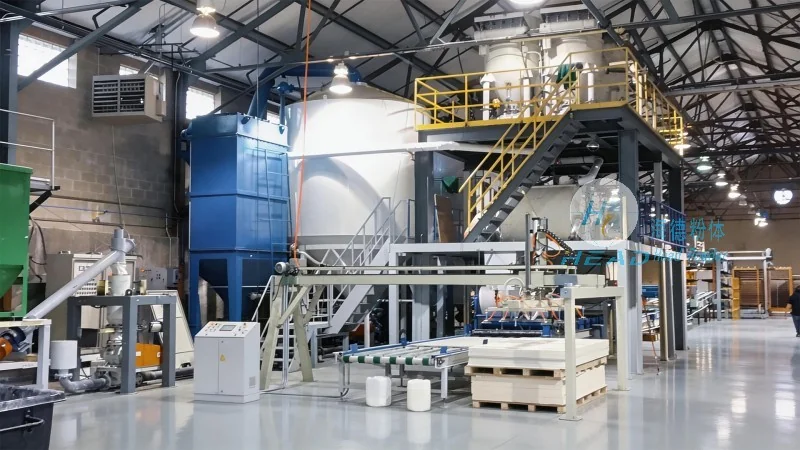
Applications and Operational Benefits
Fertilizer powder conveying equipment is widely used in various stages of the fertilizer production and distribution process. From raw material handling in manufacturing plants to storage and distribution centers, these systems ensure that fertilizer powders are moved smoothly and without interruption. The operational benefits of using such equipment include reduced labor costs, minimized material loss, and improved process control. By automating the conveying process, agricultural and industrial facilities can enhance their productivity and maintain consistent product quality.
Conclusion
Fertilizer powder conveying equipment is a critical component in modern fertilizer handling operations, and its design principles are tailored to address the unique challenges of transporting these materials. Through careful consideration of material properties, operational requirements, and safety standards, companies like Shandong HeadPowder Engineering Co., Ltd. develop equipment that ensures efficient, safe, and reliable transport of fertilizer powders. As the agricultural industry continues to evolve, the importance of such equipment will only grow, making it an essential investment for any facility involved in fertilizer production or distribution.




