Understanding the role and design of bentonite powder conveying equipment is crucial for industries that rely on efficient material handling and processing. This equipment is specifically engineered to handle the unique properties of bentonite, a clay mineral widely used in various applications such as drilling fluids, foundry sands, and environmental remediation. The following sections will explore the fundamental aspects of these systems, including their operational principles and key design considerations, as developed by Shandong HeadPowder Engineering Co., Ltd., a leading manufacturer based in China.
Introduction to Bentonite Powder Conveying Equipment
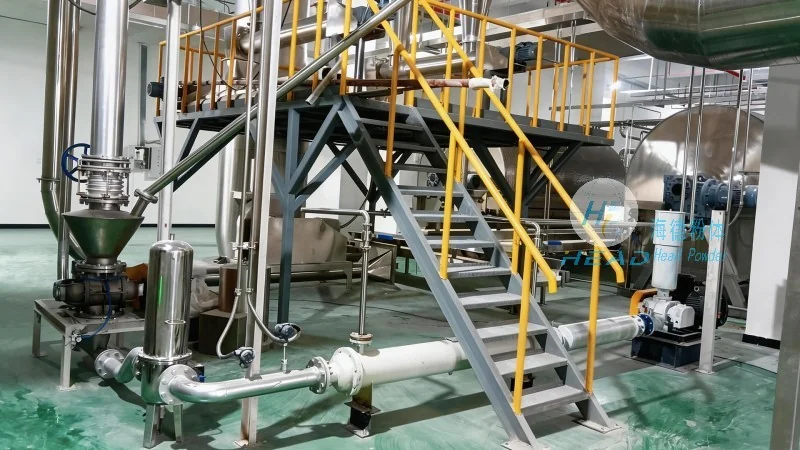
Bentonite powder conveying equipment is a specialized system designed to transport bentonite powder, a fine-grained clay, from storage to processing or application points. The primary challenge in handling bentonite lies in its tendency to agglomerate and clog conventional conveying systems. Therefore, the design of these equipment must address issues like flow control, dust suppression, and material consistency to ensure reliable and efficient operation. The equipment typically includes components such as hoppers, feeders, conveyors, and control systems, all tailored to the specific characteristics of bentonite powder.
Key Components and Their Functions
The bentonite powder conveying system consists of several critical components that work in harmony to achieve effective material transport. The first component is the hopper, which serves as the storage and feeding unit. It is designed with a sloped bottom to facilitate the flow of powder and prevent clogging. The hopper is often equipped with a discharge valve or feeder to regulate the flow rate of the material. Next, the feeder plays a crucial role in controlling the quantity of bentonite being conveyed. Common types include rotary feeders, vibratory feeders, or screw feeders, each chosen based on the specific requirements of the application. The feeder ensures a consistent and controlled feed rate, which is essential for maintaining the quality of the final product and preventing overloading of the conveyor.
The conveyor itself is the core component responsible for moving the bentonite powder from the feeder to the destination. There are different types of conveyors used in bentonite handling, including pneumatic conveyors, belt conveyors, and screw conveyors. Pneumatic conveyors use air pressure to transport the powder, which is particularly effective for fine powders like bentonite, as it minimizes dust and clogging. Belt conveyors are suitable for larger quantities and longer distances, providing a continuous and stable flow. Screw conveyors, also known as auger conveyors, are ideal for vertical or inclined transport, as they can handle the material in a compact space. Each type of conveyor has its advantages and is selected based on factors such as the volume of material, the distance to be covered, and the need for dust control.
Design Principles for Efficient Operation
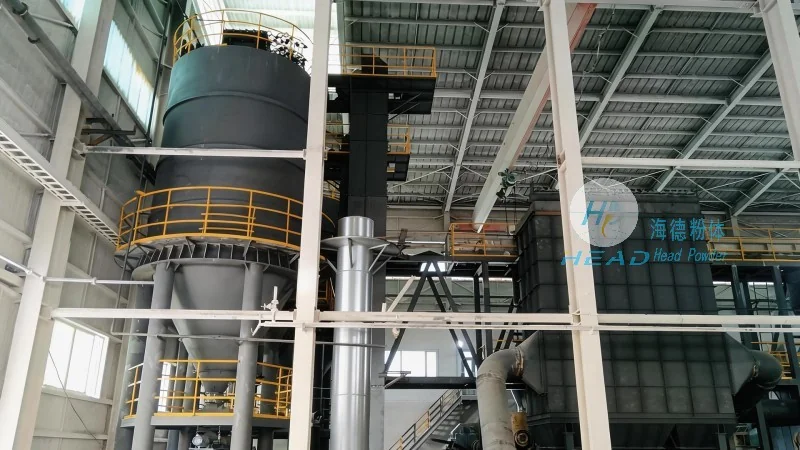
The design of bentonite powder conveying equipment is guided by several key principles aimed at ensuring efficiency, reliability, and safety. One of the primary principles is the minimization of material degradation and agglomeration. Bentonite powder is sensitive to moisture and can clump together, which can lead to blockages and reduced flow. Therefore, the equipment is designed with features such as moisture control, temperature regulation, and anti-static measures to prevent agglomeration. Moisture content is carefully monitored and controlled to maintain the powder's flowability. Temperature control is also important, as high temperatures can cause the powder to degrade or change its properties. Anti-static measures, such as grounding and conductive materials, are implemented to prevent static buildup, which can cause dust explosions or material sticking.
Another critical design principle is the integration of dust suppression and containment systems. Bentonite powder is a fine, airborne material that can create significant dust during handling, which poses health and safety risks. The equipment is designed with dust collection systems, such as cyclones or baghouses, to capture and filter the powder, ensuring that the air is clean and safe for the operators. Additionally, the use of enclosed conveyors and sealed hoppers helps to contain the dust within the system, reducing the risk of environmental contamination. These measures are essential for compliance with occupational health and safety regulations and for maintaining a clean working environment.
Control Systems and Automation
Modern bentonite powder conveying equipment is often equipped with advanced control systems and automation features to enhance operational efficiency and reduce human intervention. These systems typically include sensors, control panels, and programmable logic controllers (PLCs) that monitor and regulate the flow of material. Sensors are used to detect the level of material in the hopper, the flow rate from the feeder, and the pressure in the conveyor system. This data is used to adjust the operation of the equipment in real-time, ensuring that the system operates within optimal parameters. For example, if the hopper level is low, the system can automatically start the feeder to maintain a consistent flow. Similarly, if the conveyor pressure increases, indicating a blockage, the system can trigger an alarm or stop the conveyor to prevent further damage.
Automation also helps to improve the consistency and quality of the bentonite powder being conveyed. By maintaining a constant flow rate and preventing overloading, the equipment ensures that the powder reaches the processing or application point with minimal variation in properties. This is particularly important in industries where the quality of bentonite is critical, such as in the production of drilling fluids or foundry sands. The control systems can also be programmed to follow specific production schedules, allowing for efficient batch processing and reducing downtime. Overall, the integration of automation in bentonite powder conveying equipment improves operational reliability, reduces maintenance costs, and enhances the overall productivity of the system.
Applications and Industry Impact
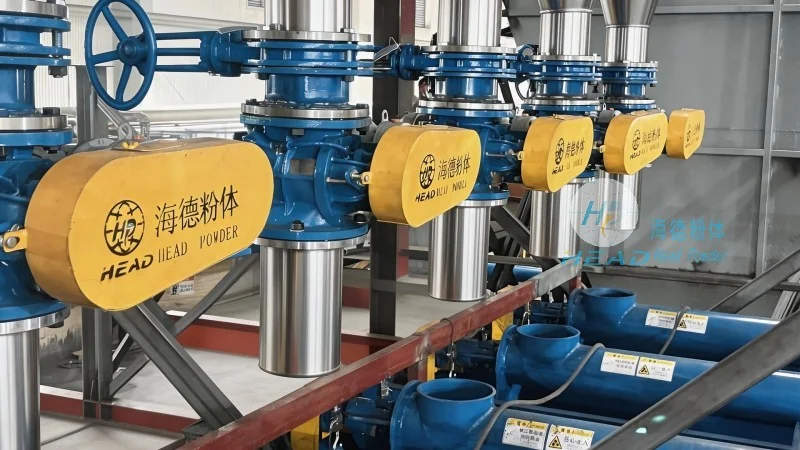
Bentonite powder conveying equipment plays a vital role in various industries that rely on bentonite as a key material. In the oil and gas industry, bentonite is used to formulate drilling fluids, which are essential for maintaining wellbore stability and preventing fluid loss. The efficient conveyance of bentonite powder ensures that the drilling fluids are prepared with the correct consistency and properties, leading to safer and more productive drilling operations. In the foundry industry, bentonite is used as a binder in sand molds, and the conveying equipment ensures that the powder is delivered to the molding process in a consistent manner, improving the quality and durability of the castings. Additionally, in environmental remediation, bentonite is used for soil stabilization and groundwater containment, and the equipment helps to transport the material to the treatment sites efficiently.
The impact of bentonite powder conveying equipment extends beyond the material handling process. By ensuring the efficient and safe transport of bentonite, these systems contribute to the overall productivity and profitability of the industries that use them. They reduce the risk of material loss, minimize downtime due to blockages or clogs, and improve the quality of the final products. Furthermore, the advanced control and automation features of modern equipment help to optimize resource usage and reduce operational costs. As a result, the use of bentonite powder conveying equipment is a critical component in the success of many industrial applications.
Conclusion
In conclusion, bentonite powder conveying equipment is a specialized and essential system for industries that handle bentonite powder. Its design is tailored to address the unique challenges of handling fine, cohesive materials, ensuring efficient, reliable, and safe operation. The key components, including hoppers, feeders, and conveyors, work together to maintain the flowability of bentonite and prevent agglomeration. Advanced control systems and automation enhance the operational efficiency and consistency of the equipment. The applications of these systems span multiple industries, contributing to improved productivity and product quality. As industries continue to rely on bentonite for various applications, the importance of well-designed and maintained conveying equipment will only grow. By understanding the design principles and operational aspects of these systems, industries can ensure optimal performance and achieve their production goals effectively.




