For industrial applications that involve the transport and handling of magnesia powder, specialized equipment is essential to ensure efficiency, safety, and product integrity. Magnesia, a key refractory material, is widely used in various industries such as steelmaking, cement production, and glass manufacturing. The proper handling of this fine powder requires equipment designed to minimize dust generation, prevent material degradation, and maintain consistent flow rates. This article explores the fundamental aspects of magnesia powder handling equipment, including its design principles and operational considerations.
Introduction to Magnesia Powder Handling Equipment
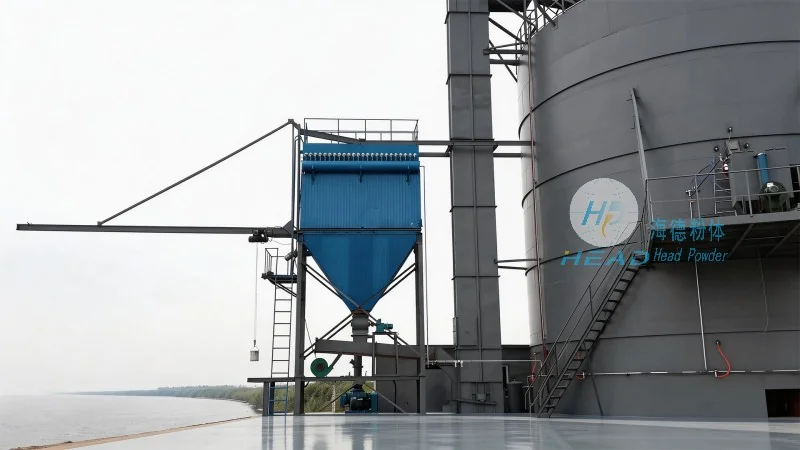
Magnesia powder handling equipment is engineered to manage the unique properties of magnesia, which includes its fine particle size, high reactivity, and tendency to generate dust. These characteristics make traditional handling methods, such as manual conveying or open-air transport, inefficient and potentially hazardous. Specialized equipment, like pneumatic conveyors, screw conveyors, and bucket elevators, is designed to address these challenges. The equipment not only ensures the safe and efficient movement of magnesia powder but also maintains its quality by preventing contamination and degradation.
Key Design Principles of Magnesia Powder Handling Equipment
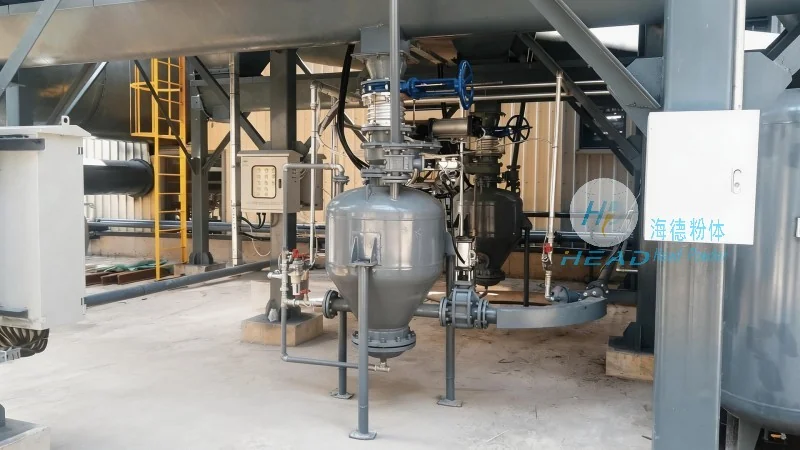
The design of magnesia powder handling equipment is guided by several critical principles to optimize performance and safety. First, the equipment must be constructed from materials that are compatible with magnesia and resistant to corrosion and wear. Magnesia is a reactive material that can cause corrosion in certain metals, so equipment components, such as hoppers, pipes, and valves, are typically made from stainless steel, ceramic, or other corrosion-resistant materials. Second, the design must minimize the generation of dust and ensure proper containment. This is achieved through features like sealed hoppers, enclosed conveyor systems, and dust collection systems. Third, the equipment must maintain consistent flow rates to prevent clogging and ensure smooth operation. This is often achieved through adjustable speed controls and the use of specialized feeders that regulate the flow of powder.
Components and Functionality of Magnesia Powder Handling Equipment
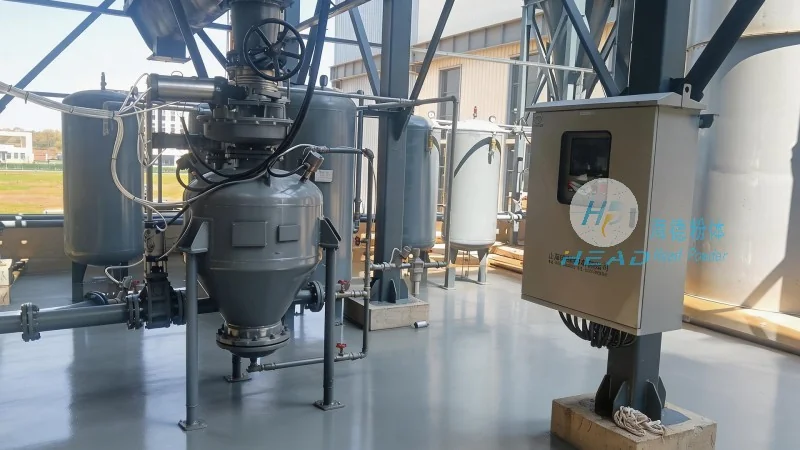
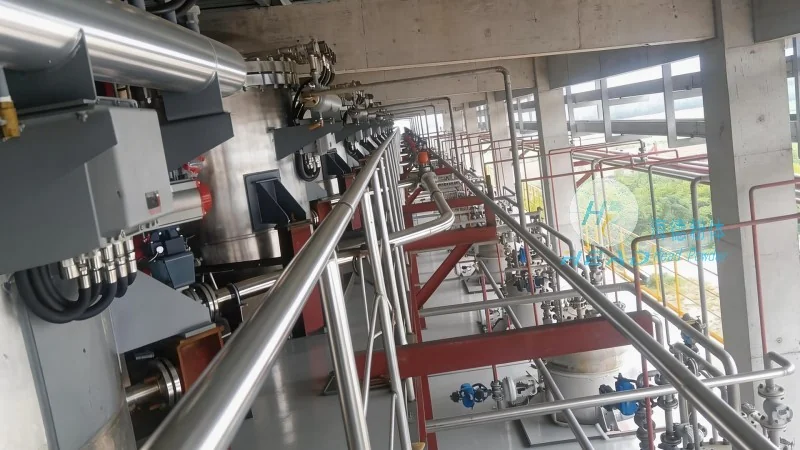
Magnesia powder handling equipment typically consists of several key components that work together to achieve efficient transport. The primary components include hoppers for material storage, conveyors for transporting the powder, and control systems for regulating the process. Hoppers are designed to hold the magnesia powder and provide a consistent feed to the conveyor system. They are often equipped with liners to prevent material buildup and wear. Conveyors, such as pneumatic or mechanical systems, move the powder from the hopper to the processing area. Pneumatic conveyors use air pressure to transport the powder through a network of pipes, while mechanical conveyors use screws or buckets to move the material. Control systems, including sensors and automation, monitor the flow rate, pressure, and other parameters to ensure the equipment operates within optimal conditions.
Applications and Benefits of Magnesia Powder Handling Equipment
Magnesia powder handling equipment is used in a variety of industrial applications where the reliable transport of fine powders is critical. In steelmaking, magnesia is used as a refractory material in furnace linings, and specialized equipment ensures it is delivered to the production line without contamination. In cement production, magnesia is used as an additive to improve the properties of the final product, and efficient handling equipment ensures consistent quality. The benefits of using proper magnesia powder handling equipment include improved safety by reducing dust exposure, increased efficiency by minimizing downtime and material loss, and enhanced product quality by preventing contamination and degradation. Additionally, the equipment helps to comply with environmental regulations by reducing dust emissions and improving overall operational control.
Conclusion
Magnesia powder handling equipment is a critical component in industries that rely on this essential refractory material. The design principles and components of this equipment are tailored to address the unique challenges of handling fine, reactive powders like magnesia. By using specialized equipment, manufacturers can ensure efficient, safe, and consistent transport of magnesia powder, which is essential for maintaining product quality and operational efficiency. As a leading provider of magnesia powder handling solutions, Shandong HeadPowder Engineering Co., Ltd. specializes in designing and manufacturing equipment that meets the specific needs of industrial applications, ensuring optimal performance and reliability.




