When it comes to the efficient handling and transportation of cement gray powder, specialized equipment plays a crucial role in industrial processes. This article explores the concept of cement gray powder conveying equipment and delves into its underlying design principles, providing insights into how these systems ensure reliable and effective material transport.
Cement Gray Powder Conveying Equipment: An Overview
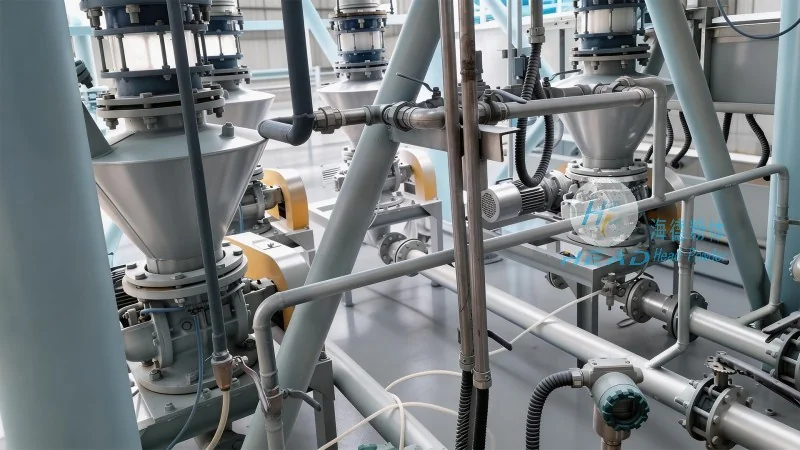
Cement gray powder conveying equipment refers to a range of machinery and systems engineered to move cement gray powder from one location to another within industrial settings. These systems are essential for various applications, including construction, manufacturing, and material processing, where the consistent and safe transport of bulk powders is critical. The equipment typically includes components such as hoppers, feeders, conveyors, and control systems, all working in tandem to ensure smooth material flow.
Key Components of Cement Gray Powder Conveying Systems
The design of cement gray powder conveying equipment involves several key components that contribute to its functionality and efficiency. First, hoppers are used to store and feed the cement gray powder into the system. These hoppers are often equipped with level sensors to monitor the material level and prevent overfilling or underfilling. Next, feeders, such as rotary valves or vibratory feeders, regulate the flow rate of the powder into the conveyor. This step is vital for maintaining consistent material delivery and preventing blockages or uneven flow.
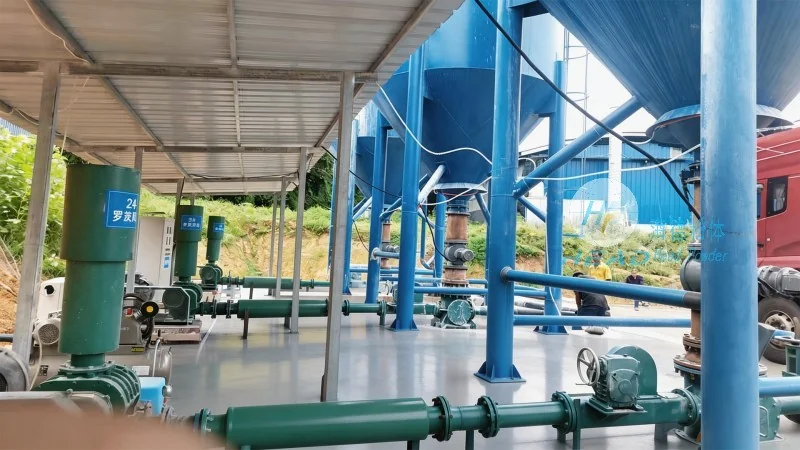
Conveyors, which can be pneumatic or mechanical, are the core of the system. Pneumatic conveyors use air pressure to move the powder through a pipeline, while mechanical conveyors, like belt or screw conveyors, rely on mechanical force to transport the material. The choice of conveyor type depends on factors like the material's properties, the distance to be covered, and the required flow rate. Additionally, control systems, including sensors, valves, and automation software, manage the entire process, ensuring that the conveying operation runs smoothly and safely.
The Design Principles Behind Cement Gray Powder Conveying Equipment
The design principles of cement gray powder conveying equipment are centered on several key factors that ensure optimal performance and reliability. First, the equipment must be designed to handle the specific properties of cement gray powder, such as its density, flowability, and potential for caking or agglomeration. This involves selecting appropriate materials for the equipment components, such as stainless steel or corrosion-resistant alloys, to prevent material buildup and ensure long-term durability.
Second, the design emphasizes the prevention of material loss and contamination. This is achieved through sealed systems and proper sealing of components to avoid dust emissions and cross-contamination. The equipment is also designed to minimize the risk of blockages, which can occur due to the powder's cohesive nature. Features like vibration mechanisms or air knives are incorporated to break up clumps and maintain a consistent flow.
Third, the design prioritizes energy efficiency and operational cost-effectiveness. This involves optimizing the conveyor speed, pressure, and flow rate to minimize energy consumption while maintaining the required throughput. Additionally, the use of automated controls allows for precise regulation of the conveying process, reducing the need for manual intervention and improving overall operational efficiency.
Applications and Benefits of Cement Gray Powder Conveying Equipment
Cement gray powder conveying equipment is widely used in various industries due to its ability to handle bulk materials efficiently and safely. In the construction industry, these systems are essential for transporting cement to job sites, ensuring that construction projects proceed without delays caused by material shortages or inefficiencies. In manufacturing, the equipment is used to move cement gray powder between production stages, such as mixing, grinding, and packaging, streamlining the production process and improving overall productivity.
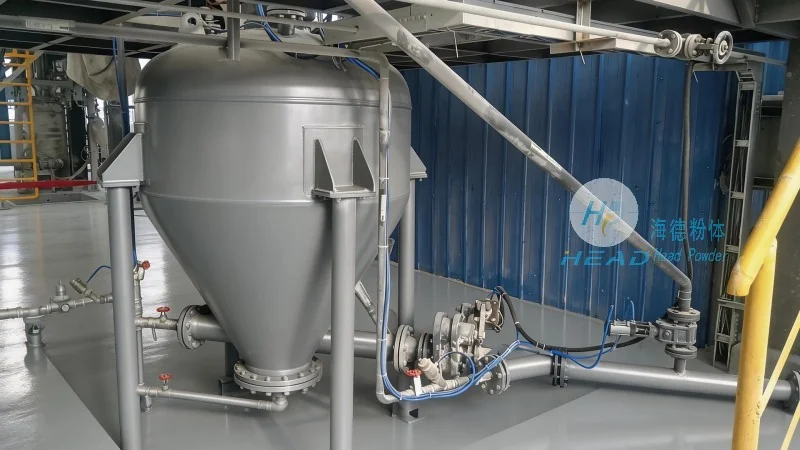
The benefits of using specialized conveying equipment for cement gray powder include improved safety, reduced labor costs, and enhanced operational efficiency. By automating the material transport process, companies can minimize the risk of dust exposure and accidents, while also reducing the need for manual handling of heavy or hazardous materials. Additionally, the consistent and reliable flow of material ensures that production processes run smoothly, reducing downtime and increasing overall output.
About Shandong HeadPowder Engineering Co., Ltd.
Shandong HeadPowder Engineering Co., Ltd., a leading manufacturer in the field of cement gray powder conveying equipment, specializes in providing high-quality, reliable systems tailored to the needs of various industries. With a strong commitment to innovation and customer satisfaction, the company has built a reputation for delivering equipment that meets the highest standards of performance and durability. HeadPowder's team of engineers and technicians work closely with clients to understand their specific requirements and design customized solutions that address their unique challenges.
HeadPowder's equipment is designed and manufactured with precision, using advanced technology and quality materials to ensure long-term reliability. The company's focus on customer support and after-sales service ensures that clients receive the necessary assistance throughout the equipment's lifecycle. With operations based in Shandong, China, HeadPowder serves a global market, providing equipment to clients in various countries and industries.




