Urea, a critical nitrogen fertilizer, is widely used in agricultural and industrial applications. The efficient and safe transportation of urea powder is essential for ensuring its quality and preventing environmental contamination. This article explores the concept of urea powder handling equipment and delves into its design principles, highlighting the technological advancements that enable reliable and efficient powder transfer.
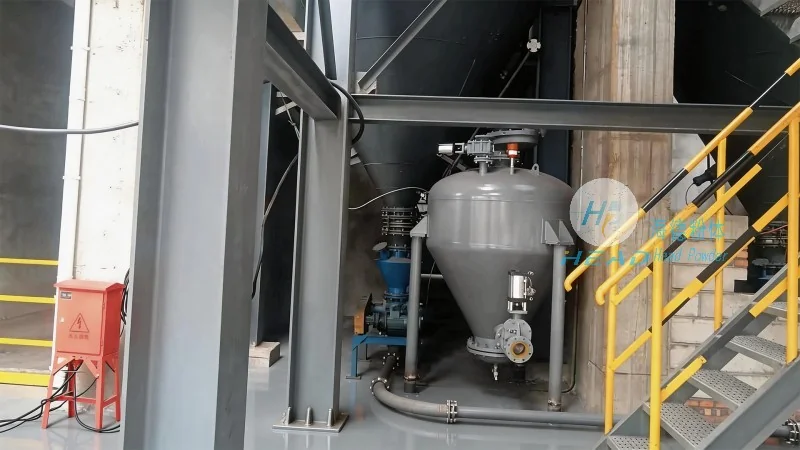
Introduction to Urea Powder Handling Equipment
Urea powder handling equipment refers to a range of machinery and systems designed to transport, store, and process urea powder. These systems are crucial in agricultural settings, fertilizer production facilities, and industrial processes where urea is used as a raw material. The primary goal of such equipment is to ensure the safe and efficient movement of urea powder from storage silos to processing units or end-use applications, minimizing dust generation, product loss, and operational risks.
About HeadPowder: A Leading Provider of Powder Handling Solutions
HeadPowder, a renowned company in the field of powder handling technology, specializes in designing and manufacturing advanced equipment for handling various powders, including urea. With a strong commitment to innovation and customer satisfaction, HeadPowder has established itself as a trusted partner for industries requiring reliable and efficient powder transfer solutions. The company’s headquarters is located in Shandong, China, where it leverages local expertise and resources to develop cutting-edge equipment tailored to global market needs.
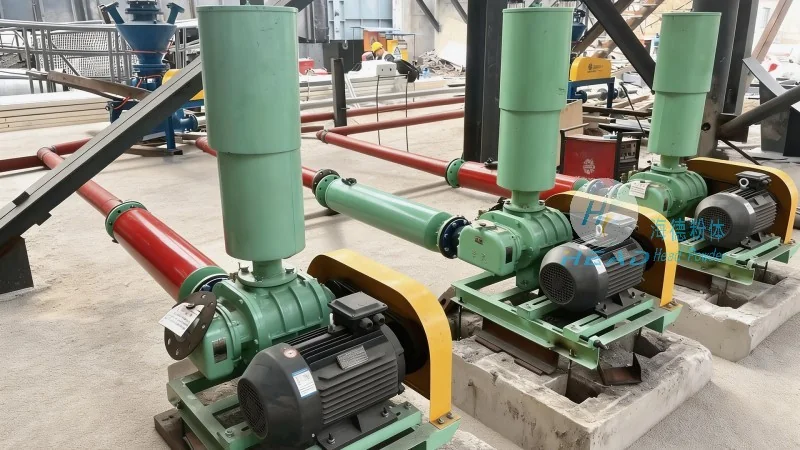
Design Principles of Urea Powder Handling Equipment
The design of urea powder handling equipment is guided by several key principles to ensure optimal performance, safety, and durability. These principles include:
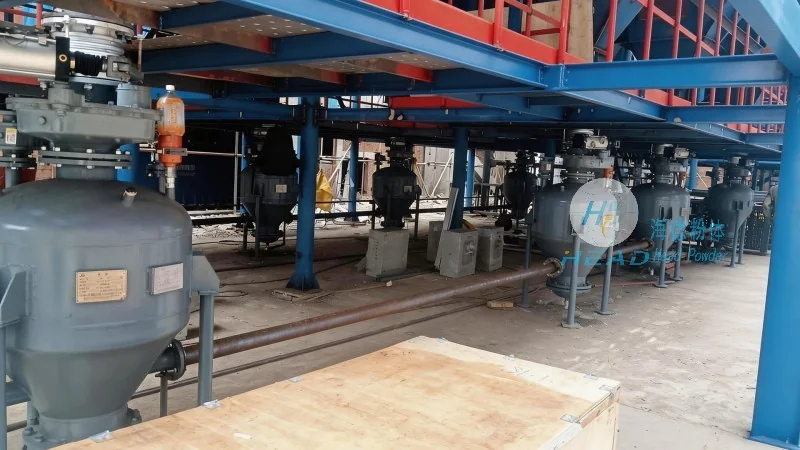
- Material Compatibility: Equipment components are constructed from materials that are resistant to urea’s chemical properties and abrasive nature. Common materials include stainless steel, polyethylene, and special alloys to prevent corrosion and wear.
- Airflow Management: Proper airflow is essential to control dust generation and maintain material flow. Advanced systems incorporate dust collection and filtration mechanisms to ensure environmental compliance and operator safety.
- Seal and Leak Prevention: Urea powder handling equipment features robust sealing systems to prevent material leakage and cross-contamination. This is critical for maintaining product purity and preventing environmental hazards.
- Control and Automation: Modern urea powder handling systems are equipped with advanced control systems and automation features. These allow for precise control of flow rates, pressure, and temperature, enhancing operational efficiency and reducing human error.
Key Components and Their Functions
Urea powder handling equipment typically consists of several key components, each playing a vital role in the overall system. These components include:
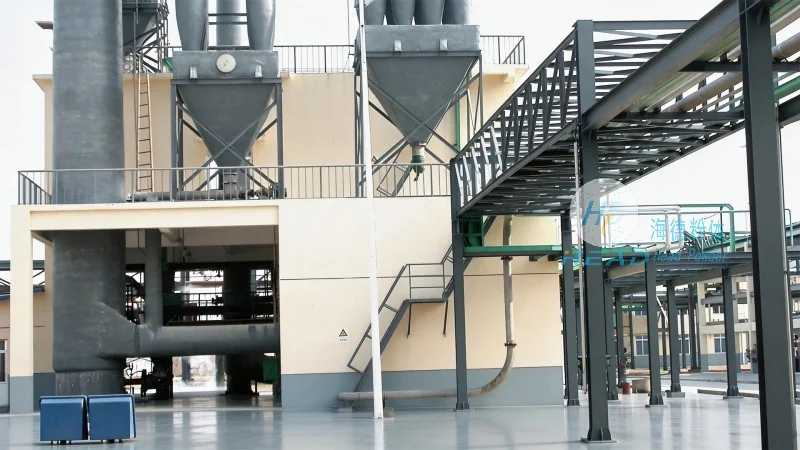
- Storage Silos: Large-capacity silos are used to store urea powder in bulk. These silos are designed with airtight and dust-proof features to maintain product quality and prevent moisture absorption.
- Pneumatic Conveying Systems: Pneumatic conveying systems use air to transport urea powder through pipelines. These systems can be classified as positive or negative pressure systems, depending on the application requirements. Positive pressure systems are commonly used for long-distance or high-capacity transport, while negative pressure systems are suitable for short-distance or low-volume applications.
- Feeders and Metering Devices: Feeders and metering devices regulate the flow of urea powder from the storage silos to the conveying system. These devices ensure consistent and controlled material delivery, which is crucial for maintaining process stability and product quality.
- Dust Collectors and Filters: Dust collectors and filters are integrated into the system to capture and remove airborne particles. This not only improves environmental compliance but also protects equipment from dust accumulation, which can lead to performance degradation.
- Control Panels and Sensors: Control panels and sensors monitor various parameters such as pressure, flow rate, and temperature. These sensors provide real-time data, enabling operators to adjust the system settings as needed and ensure optimal performance.
Applications and Benefits of Urea Powder Handling Equipment
Urea powder handling equipment is widely used in various industries, including agriculture, fertilizer manufacturing, and chemical processing. The benefits of using such equipment include:
- Increased Efficiency: Advanced equipment allows for faster and more reliable powder transfer, reducing downtime and increasing overall productivity.
- Improved Safety: Proper sealing and dust control features minimize the risk of accidents and exposure to harmful particles, ensuring a safe working environment.
- Enhanced Product Quality: By maintaining product purity and preventing moisture absorption, urea powder handling equipment helps to preserve the quality of the fertilizer, which is critical for agricultural applications.
- Environmental Compliance: Dust collection and filtration systems help to meet environmental regulations, reducing the impact of industrial operations on the environment.
Conclusion
Urea powder handling equipment is a vital component in the efficient and safe management of urea, a key nitrogen fertilizer. The design principles and components of such equipment are carefully engineered to ensure optimal performance, safety, and durability. Companies like HeadPowder play a crucial role in providing advanced solutions that meet the evolving needs of industries, enabling them to operate more efficiently and sustainably. With continued advancements in technology, urea powder handling equipment will continue to evolve, offering even better performance and reliability for global markets.




