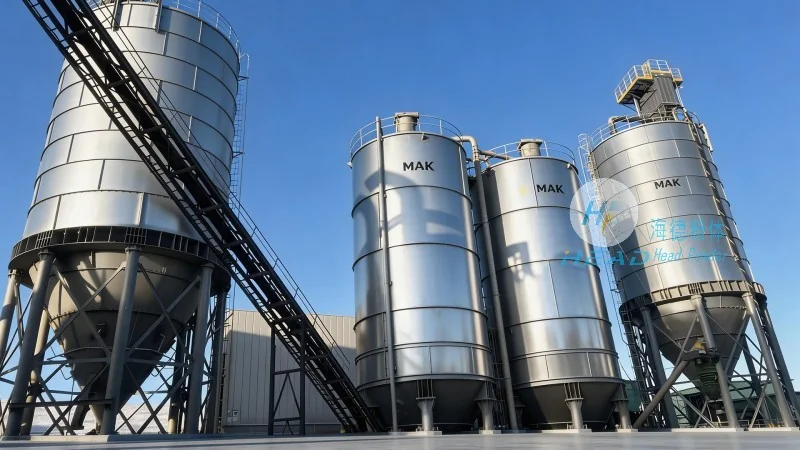
Distiller's grain powder, a byproduct of the distillation process in the alcohol industry, requires efficient and reliable equipment for bulk material handling. This article explores the concept of distiller's grain powder bulk material handling equipment and delves into its core design principles, highlighting the technical aspects that ensure optimal performance in industrial applications.
Introduction to Distiller's Grain Powder and Its Handling Challenges
Distiller's grain powder, also known as distillers dried grains with solubles (DDGS), is a nutrient-rich byproduct obtained from the fermentation and distillation of grains, typically corn. This material is widely used as animal feed and in various industrial applications due to its high protein and fiber content. However, the handling of this powder presents unique challenges, including its fine particle size, hygroscopic nature, and potential for dust generation. Traditional handling methods may lead to material loss, equipment wear, and safety hazards, necessitating specialized equipment designed to address these challenges effectively.
HeadPowder's Distiller's Grain Powder Bulk Material Handling Equipment Overview
Shandong HeadPowder Engineering Co., Ltd., a leading manufacturer in the field, specializes in providing advanced bulk material handling solutions tailored to the needs of the alcohol and animal feed industries. The company's distiller's grain powder bulk material handling equipment is engineered to handle the unique characteristics of DDGS, ensuring efficient, safe, and cost-effective material transport. HeadPowder's products are designed with a focus on durability, low maintenance, and compliance with industry standards, making them a trusted choice for businesses operating in the distillery sector.
Key Design Principles for Distiller's Grain Powder Handling Equipment
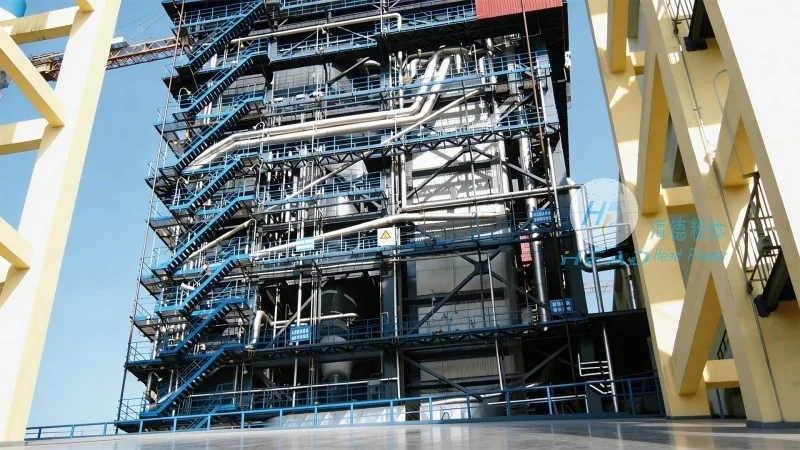
The design of distiller's grain powder bulk material handling equipment is guided by several critical principles to ensure optimal performance and reliability. First, the equipment must be capable of handling fine, hygroscopic powders without causing excessive dust or material degradation. This often involves the use of enclosed systems and specialized conveying mechanisms that minimize particle breakage and prevent moisture absorption. Second, the design emphasizes energy efficiency and low operational costs, with features such as variable speed drives and efficient motor selections that reduce power consumption while maintaining high conveying rates. Third, safety is a paramount consideration, with equipment incorporating features like dust suppression systems, explosion-proof designs, and secure access points to protect operators and the surrounding environment. Additionally, the equipment is designed for easy maintenance and cleaning, with components that can be easily accessed and replaced to minimize downtime.
Components and Technologies in Distiller's Grain Powder Handling Systems
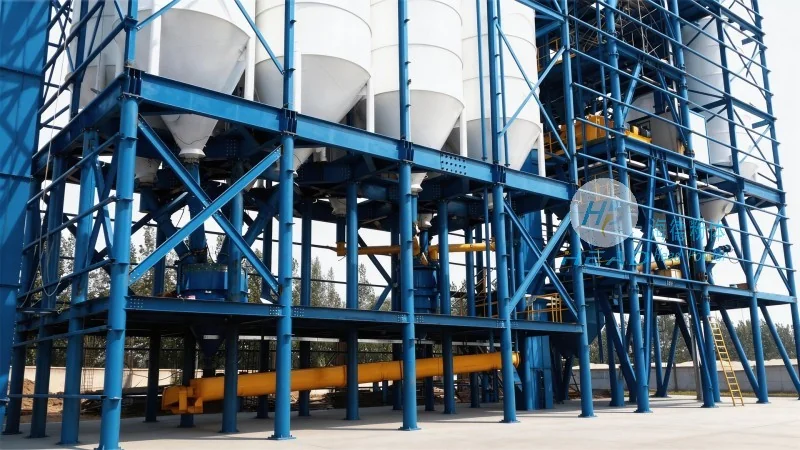
Distiller's grain powder bulk material handling systems typically consist of several key components, each playing a crucial role in the overall operation. The primary components include feeders, conveyors, storage silos, and discharge systems. Feeders, such as rotary or vibratory types, are used to control the flow of powder from storage silos to the conveyor system, ensuring a consistent and controlled feed rate. Conveyors, often in the form of pneumatic or mechanical systems, transport the powder from one location to another. Pneumatic conveying systems use air pressure to move the powder through pipes, while mechanical conveyors rely on belts or screws to transport the material. Storage silos are designed to hold large quantities of DDGS, with features like aeration systems to prevent caking and maintain material quality. Discharge systems, including rotary valves or gates, control the release of powder from the silos to the conveyor system, ensuring smooth and controlled material flow.
Advantages of Using Distiller's Grain Powder Bulk Material Handling Equipment
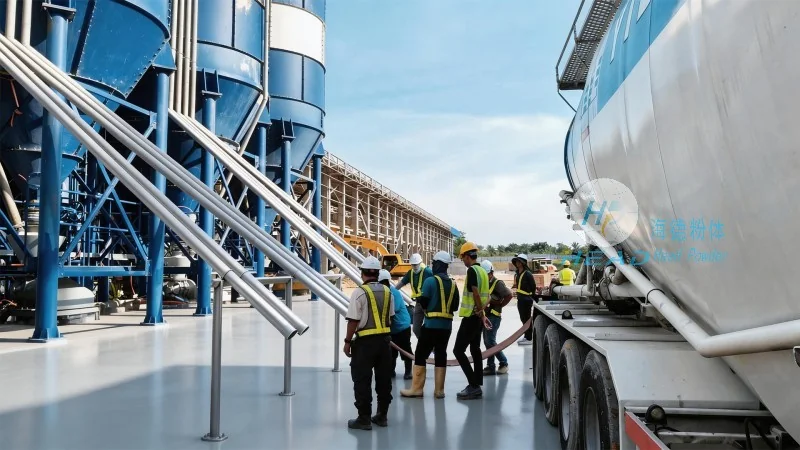
Implementing specialized distiller's grain powder bulk material handling equipment offers numerous advantages for distilleries and feed manufacturers. Firstly, it significantly reduces material loss and dust generation, leading to cost savings and improved environmental compliance. The enclosed systems prevent the escape of fine particles, minimizing the risk of contamination and ensuring product quality. Secondly, the equipment enhances operational efficiency by providing consistent and reliable material flow, reducing downtime and increasing production throughput. The use of advanced control systems allows for precise monitoring and adjustment of conveying rates, ensuring optimal performance under varying conditions. Thirdly, the equipment improves workplace safety by minimizing exposure to dust and reducing the risk of accidents associated with manual handling of powders. Additionally, the durability and low maintenance design of HeadPowder's equipment result in long-term cost savings and extended equipment life.
Application Examples and Case Studies
HeadPowder's distiller's grain powder bulk material handling equipment has been successfully implemented in various distilleries and feed processing facilities across China. For instance, a major corn-based distillery in Shandong province installed a pneumatic conveying system to transport DDGS from storage silos to the feed production line. The system, equipped with advanced control technology, ensured a consistent flow rate, reducing material loss by 15% and increasing production efficiency by 20%. Another case study involved a feed manufacturer in Henan province, which implemented a mechanical conveyor system to transport DDGS from the distillery to their processing plant. The system's durability and low maintenance design resulted in a 30% reduction in operational costs over a two-year period. These examples highlight the effectiveness of HeadPowder's equipment in addressing the unique challenges of distiller's grain powder handling and improving overall operational performance.




