Gypsum powder and fine powder bulk material conveying systems are critical components in industrial processing, particularly in the production and handling of gypsum-based materials. These systems are engineered to efficiently transport dry powders like gypsum, which are often used in construction, manufacturing, and other industries. Understanding the design principles behind such systems is essential for optimizing material flow, ensuring safety, and maintaining operational efficiency.
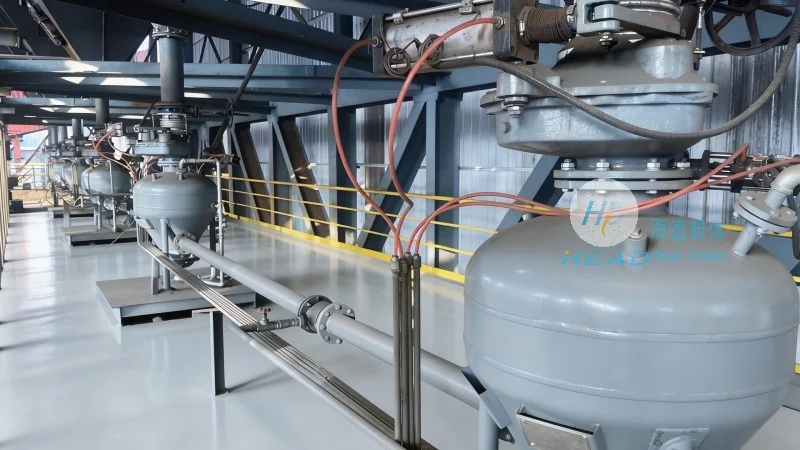
Introduction to Gypsum Powder and Fine Powder Conveying Systems
At the core of many industrial operations, the reliable and efficient transport of bulk materials is paramount. Gypsum powder, a fine and often abrasive material, requires specialized equipment to handle its unique properties. The bulk material conveying system for gypsum powder is designed to address challenges such as dust generation, material segregation, and the need for gentle handling to preserve product quality. This system typically integrates several key components, including feeders, conveyors, and control mechanisms, all working in harmony to ensure smooth material transfer.
Key Components and Their Functions
The design of a gypsum powder conveying system involves a combination of mechanical and control elements, each tailored to the specific demands of handling fine powders. The primary components include:
1. Feeding Equipment: This is the initial stage where gypsum powder is introduced into the system. Common feeding devices include rotary valves, star feeders, or screw feeders, which regulate the flow rate and prevent material buildup at the inlet. These components are designed to handle the fine, cohesive nature of gypsum powder, ensuring consistent and controlled feeding.
2. Bulk Material Conveyors: The conveyor is the central part of the system responsible for transporting the gypsum powder from the feeding point to the discharge point. Various types of conveyors are used, such as pneumatic conveying systems (air-swept or pressure systems) or mechanical conveyors like belt conveyors or screw conveyors. Pneumatic systems are particularly effective for fine powders as they minimize dust and allow for long-distance transport without the need for complex infrastructure.
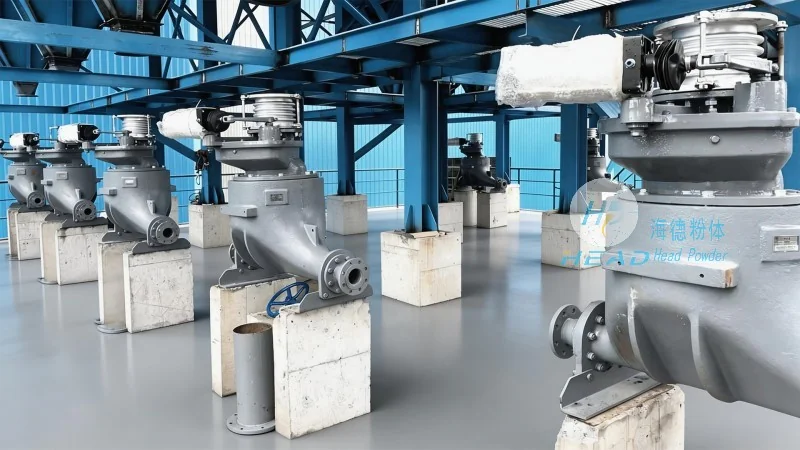
3. Control Systems: Modern conveying systems incorporate advanced control mechanisms to monitor and adjust the flow rate, pressure, and other parameters in real-time. Sensors and controllers ensure that the system operates within safe and optimal conditions, preventing overloading, blockages, or other issues that could disrupt production.
Design Principles for Efficient Material Handling
The design principles of a gypsum powder conveying system are guided by several key factors to ensure efficiency and reliability. These principles include:
1. Minimizing Material Degradation: Gypsum powder is sensitive to mechanical stress and moisture. The system is designed to minimize particle breakage and prevent moisture absorption, which can affect the material's quality and performance. Gentle handling and low-speed conveying are often employed to achieve this.
2. Preventing Dust and Air Contamination: Fine powders like gypsum can create significant dust, posing health and safety risks. The system incorporates dust collection and filtration systems to capture and contain airborne particles, ensuring a clean and safe working environment.
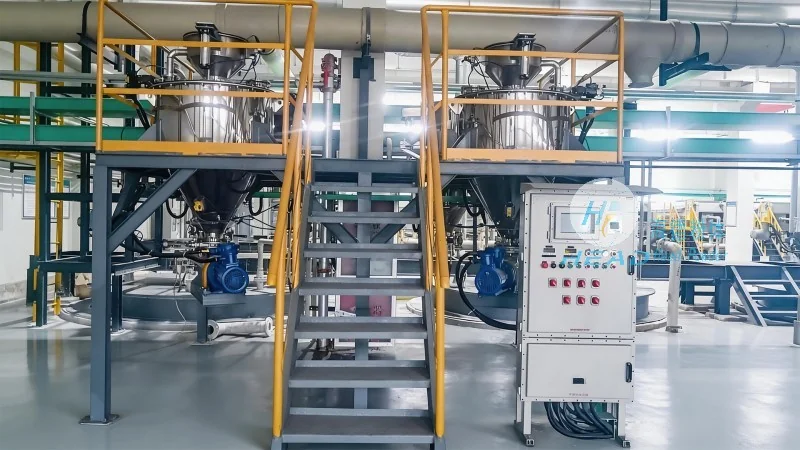
3. Optimizing Flow and Pressure: The design considers the material's flow characteristics, such as its bulk density and angle of repose, to determine the appropriate conveying velocity and pressure. This ensures that the material moves smoothly without causing blockages or excessive wear on components.
4. Ensuring System Integration: The conveying system is often integrated with other processing equipment, such as mixers, classifiers, or storage silos. The design takes into account the compatibility and coordination between these components to create a seamless production line.
Company Background: Shandong HeadPowder Engineering Co., Ltd.
Shandong HeadPowder Engineering Co., Ltd., commonly known as HeadPowder, is a leading manufacturer and supplier of bulk material handling solutions. With a strong presence in China, particularly in Shandong, the company specializes in designing and manufacturing systems tailored to the unique needs of gypsum and other fine powders. HeadPowder's expertise lies in creating customized conveying systems that meet the specific requirements of industrial applications, ensuring high efficiency, reliability, and safety.
Conclusion: The Importance of Well-Designed Conveying Systems
In conclusion, gypsum powder and fine powder bulk material conveying systems are sophisticated industrial solutions that play a vital role in the efficient handling of dry powders. The design principles behind these systems focus on optimizing material flow, minimizing degradation, and ensuring safety. By understanding and implementing these principles, industries can enhance their operational efficiency, reduce costs, and maintain the quality of their products. Companies like Shandong HeadPowder Engineering Co., Ltd. continue to innovate in this field, providing advanced solutions that meet the evolving demands of modern manufacturing.




