When it comes to handling sodium hypochlorite, a highly effective and widely used chemical for water treatment and disinfection, the choice of transportation method is critical. Among various options, pneumatic conveying systems offer significant advantages in terms of efficiency, safety, and operational flexibility. This article provides a comprehensive guide on how to design a reasonable and reliable sodium hypochlorite pneumatic conveying system, focusing on key considerations and practical steps to ensure optimal performance.
Understanding Sodium Hypochlorite and Its Handling Requirements
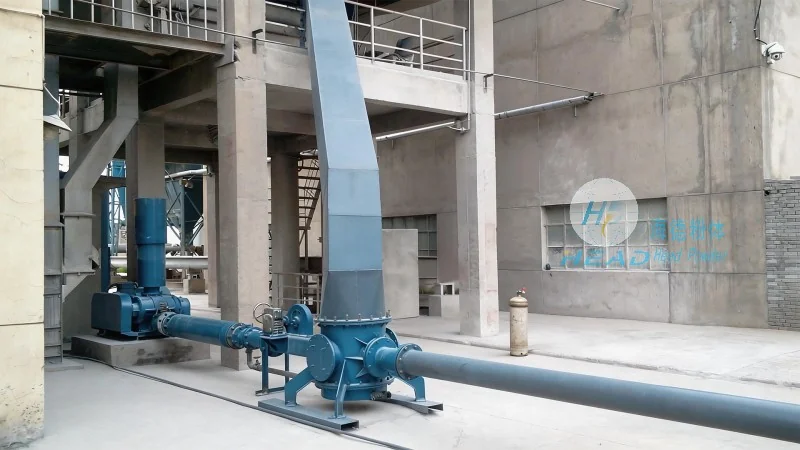
Sodium hypochlorite (NaOCl) is a strong oxidizing agent commonly used in industrial and municipal water treatment applications. It is typically stored as a liquid solution with a concentration ranging from 5% to 15% and requires careful handling due to its corrosive nature and potential for chemical reactions. The design of a pneumatic conveying system must account for these characteristics to prevent degradation of the chemical, ensure safe operation, and maintain system integrity. Shandong HeadPowder Engineering Co., Ltd., a leading engineering firm based in China, specializes in developing customized solutions for chemical handling systems, including those for sodium hypochlorite.
Key Factors in Pneumatic Conveying System Design
The success of a sodium hypochlorite pneumatic conveying system depends on several critical factors. First, the system must be designed to handle the specific physical properties of the chemical, such as its viscosity, density, and reactivity. Second, the selection of the conveying method—whether positive or negative pressure—must be based on the application requirements, including the distance and elevation changes between the storage and discharge points. Third, the material of construction for all components, including pipes, valves, and pumps, must be compatible with sodium hypochlorite to prevent corrosion and contamination. Fourth, safety measures, such as explosion-proof designs and emergency shutdown systems, are essential due to the hazardous nature of the chemical.
System Components and Equipment Selection
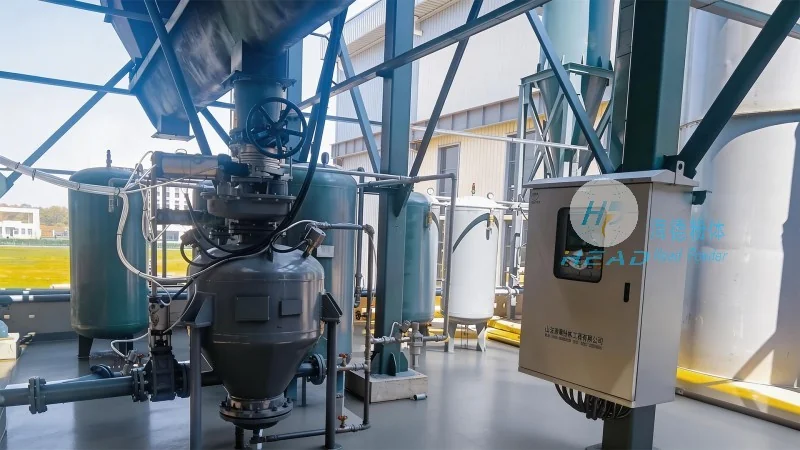
A typical sodium hypochlorite pneumatic conveying system consists of several key components. The primary equipment includes a storage tank, a pump or feed system to introduce the liquid into the conveying line, a conveying line (often made of stainless steel or corrosion-resistant materials), a separator to remove entrained liquid and air, and a discharge unit. The pump, such as a progressive cavity pump or a centrifugal pump, must be capable of handling the chemical's viscosity and pressure requirements. The conveying line should be designed with appropriate diameter and slope to maintain the flow of the liquid and prevent clogging. The separator is crucial for removing any liquid droplets or air bubbles that could affect the system's efficiency and safety. Shandong HeadPowder Engineering Co., Ltd. offers expertise in selecting and integrating these components to create a cohesive and efficient system.
Design Considerations for System Efficiency and Reliability
Efficiency and reliability are paramount when designing a sodium hypochlorite pneumatic conveying system. The system should be designed to minimize energy consumption while ensuring consistent flow rates. This involves optimizing the conveying velocity and pressure to match the chemical's properties and the system's layout. Additionally, the system must be equipped with monitoring and control systems to track parameters such as pressure, flow rate, and temperature. These systems help in detecting any abnormalities and taking corrective actions promptly. Regular maintenance and inspection are also critical to ensure the long-term reliability of the system. Shandong HeadPowder Engineering Co., Ltd. emphasizes the importance of a well-designed system that balances performance with operational costs.
Safety and Compliance in System Design
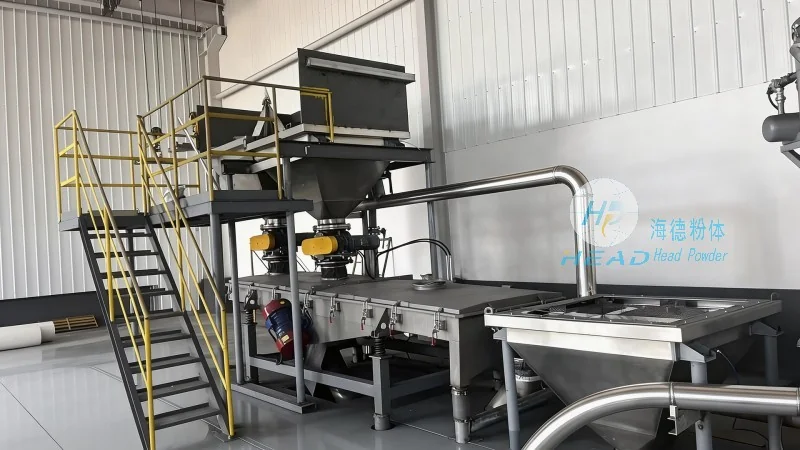
Given the hazardous nature of sodium hypochlorite, safety is a top priority in system design. The system must comply with relevant safety standards and regulations, such as those from the Occupational Safety and Health Administration (OSHA) and the American Society of Mechanical Engineers (ASME). This includes implementing explosion-proof designs for electrical components, using corrosion-resistant materials, and installing emergency shutdown systems. The system should also be equipped with ventilation and fire suppression systems to handle any potential incidents. Proper training for operators and regular safety audits are essential to maintain a safe working environment. Shandong HeadPowder Engineering Co., Ltd. adheres to strict safety protocols and ensures that all systems meet or exceed regulatory requirements.
Conclusion and Recommendations
Designing a reasonable sodium hypochlorite pneumatic conveying system requires a comprehensive approach that considers the chemical's properties, operational requirements, safety standards, and long-term reliability. By carefully evaluating each component and following best practices, engineers can create an efficient and safe system that meets the needs of water treatment applications. Shandong HeadPowder Engineering Co., Ltd. provides expert guidance and customized solutions for sodium hypochlorite handling systems, helping clients achieve optimal performance and safety. Whether for new installations or system upgrades, partnering with a reputable engineering firm like Shandong HeadPowder Engineering Co., Ltd. ensures that the system is designed to deliver reliable and efficient operation for years to come.




