Biocatalyst powder transport systems represent a sophisticated engineering solution designed to facilitate the efficient handling, processing, and delivery of powdered materials that incorporate biocatalytic agents. These systems are integral to industries where precise control over enzyme-based reactions is critical, such as in pharmaceutical manufacturing, food processing, and specialty chemical production. The core function of such systems is to ensure that the biocatalyst powder—often sensitive to environmental factors like moisture, temperature, and air exposure—remains stable and active throughout the transport and processing stages. This is achieved through a combination of specialized equipment, material handling techniques, and process controls tailored to the unique properties of the powder.
Key Design Principles of Biocatalyst Powder Transport Systems
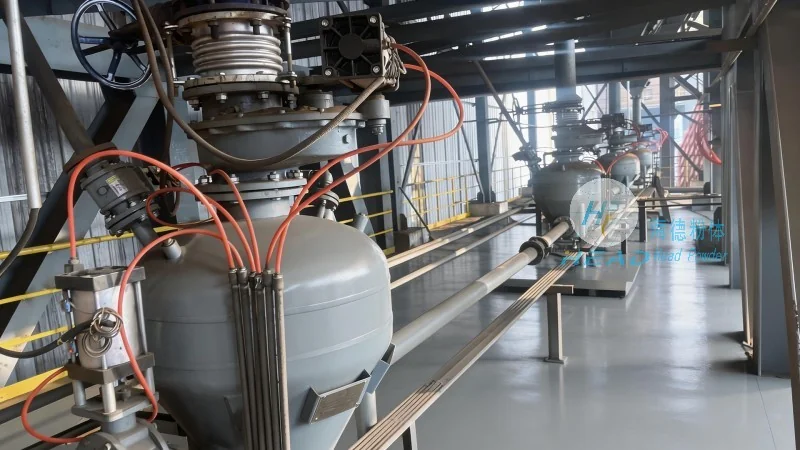
The design of a biocatalyst powder transport system is governed by several fundamental principles aimed at preserving the integrity and activity of the biocatalyst. First, the system must minimize exposure to moisture and oxygen, as these can lead to enzyme deactivation or degradation. This is typically accomplished through the use of airtight, sealed containers and enclosed transport pathways. Second, temperature control is paramount; many biocatalysts are temperature-sensitive, and maintaining a stable, controlled temperature is essential to prevent denaturation or loss of activity. Third, the system must prevent agglomeration or caking of the powder, which can hinder flow and reduce the effectiveness of the biocatalyst. This is achieved through the incorporation of fluidization or agitator mechanisms that keep the powder in a suspended, free-flowing state. Fourth, the system must ensure precise dosing and metering of the powder to maintain consistent reaction conditions. This often involves the use of gravimetric or volumetric feeders that can accurately measure and deliver the required amount of biocatalyst. Finally, the design must prioritize safety and compliance with regulatory standards, particularly in industries like pharmaceuticals where product purity and safety are non-negotiable.
Components and Functionalities of the System
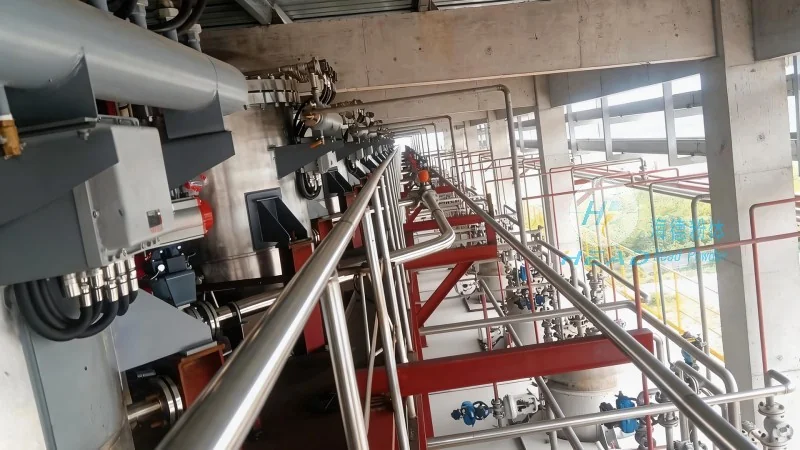
At the heart of a biocatalyst powder transport system are several key components that work in concert to achieve the desired outcomes. The primary components include a storage hopper or silo, which holds the biocatalyst powder in a controlled environment. This storage unit is typically equipped with airtight seals and temperature regulation systems to maintain optimal conditions. From the storage hopper, the powder is transferred to a transport mechanism, such as a pneumatic conveyor or a screw conveyor. Pneumatic conveyors use air pressure to move the powder through a pipeline, while screw conveyors rely on rotating screws to push the material forward. Both systems are designed to minimize particle degradation and maintain the powder's integrity. The transport mechanism is often followed by a metering or dosing unit, which ensures the precise amount of biocatalyst is added to the reaction vessel or processing line. This unit may include sensors to monitor flow rates and adjust the feed rate in real-time. Additionally, the system may incorporate a mixing or blending unit to ensure uniform distribution of the biocatalyst within the larger batch of material. Finally, the system includes a control panel that integrates all components, allowing operators to monitor and adjust parameters such as temperature, pressure, and flow rate to maintain optimal performance.
Applications and Benefits in Industrial Settings
Biocatalyst powder transport systems find widespread application in various industrial sectors, where the efficient handling of enzyme-based powders is critical to process efficiency and product quality. In the pharmaceutical industry, these systems are used to transport and dose enzymes used in the synthesis of active pharmaceutical ingredients (APIs). The precision and control offered by the system ensure that the enzyme is delivered in the exact quantity needed, leading to consistent product quality and reduced waste. In food processing, biocatalyst powder transport systems are employed to handle enzymes used in processes like cheese ripening, fruit juice clarification, and bread making. The ability to maintain the enzyme's activity during transport ensures that the final product meets quality standards and has the desired flavor and texture. In specialty chemical manufacturing, these systems are used to transport enzymes used in the production of biodegradable plastics, detergents, and other eco-friendly products. The benefits of using a biocatalyst powder transport system extend beyond just material handling; they also include improved process efficiency, reduced downtime due to material degradation, and enhanced product consistency. By preserving the biocatalyst's activity throughout the transport process, these systems help manufacturers achieve higher yields and lower production costs.
Company Background: Shandong HeadPowder Engineering Co., Ltd.
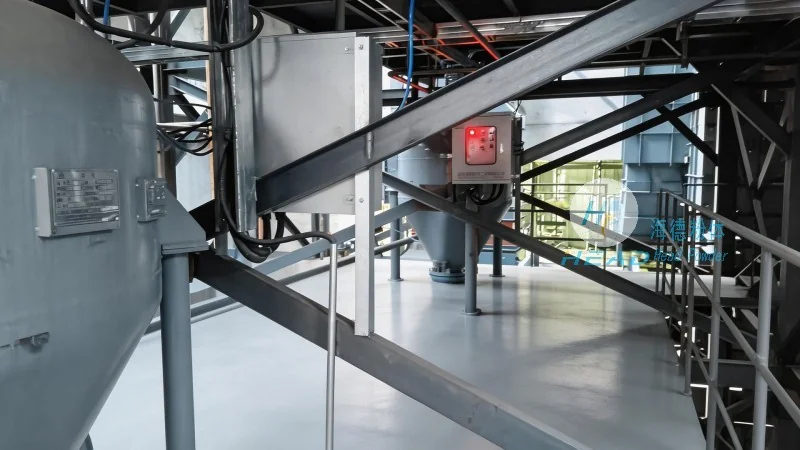
Shandong HeadPowder Engineering Co., Ltd., a leading provider of advanced powder handling solutions, specializes in the design, manufacturing, and integration of biocatalyst powder transport systems. With a strong focus on innovation and customer-centric solutions, the company has built a reputation for delivering high-quality, reliable systems that meet the stringent requirements of various industries. HeadPowder's expertise lies in understanding the unique challenges associated with biocatalyst powders and developing tailored solutions that address these challenges effectively. The company's facilities are located in Shandong, China, where it leverages local resources and expertise to develop cutting-edge technology. HeadPowder's commitment to quality and customer satisfaction has made it a trusted partner for businesses seeking to optimize their biocatalyst powder handling processes. By combining advanced engineering with practical application knowledge, HeadPowder ensures that its systems not only meet but exceed industry standards, providing customers with a competitive edge in their respective markets.




