When it comes to managing silage material efficiently, the design of a pneumatic conveying system plays a crucial role in ensuring optimal performance, reliability, and cost-effectiveness. For agricultural operations dealing with large volumes of silage, selecting the right system design is essential to maintain the quality of the feed and streamline the handling process. This article provides a comprehensive guide on how to design a reasonable silage material pneumatic conveying system, covering key considerations and best practices that can help optimize the system for specific operational needs.
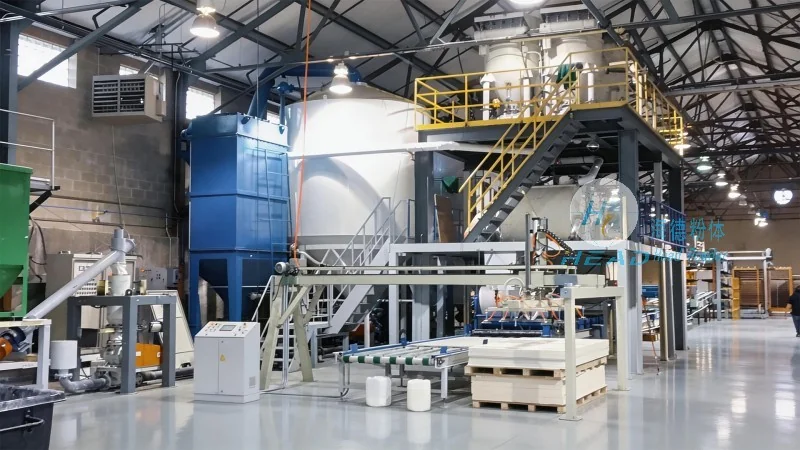
Understanding the Basics of Silage Pneumatic Conveying
Silage is a fermented forage that serves as a vital feed source for livestock. The material's characteristics, such as moisture content, density, and particle size, significantly impact the design of a pneumatic conveying system. Unlike dry powders, silage often has higher moisture levels and can be more abrasive, which requires specialized equipment and system configurations to prevent blockages and ensure smooth operation. A well-designed system must account for these variables to maintain the integrity of the silage and minimize downtime.
Key Design Factors for Silage Pneumatic Conveying Systems
Several critical factors must be considered when designing a silage pneumatic conveying system. The first is the system type, which can be categorized into positive pressure, negative pressure, or a combination of both. Positive pressure systems use a blower to push material through the pipeline, while negative pressure systems use a vacuum to draw material. The choice depends on the distance, elevation changes, and material characteristics. For silage, positive pressure systems are often preferred due to their ability to handle higher moisture content and prevent material degradation.
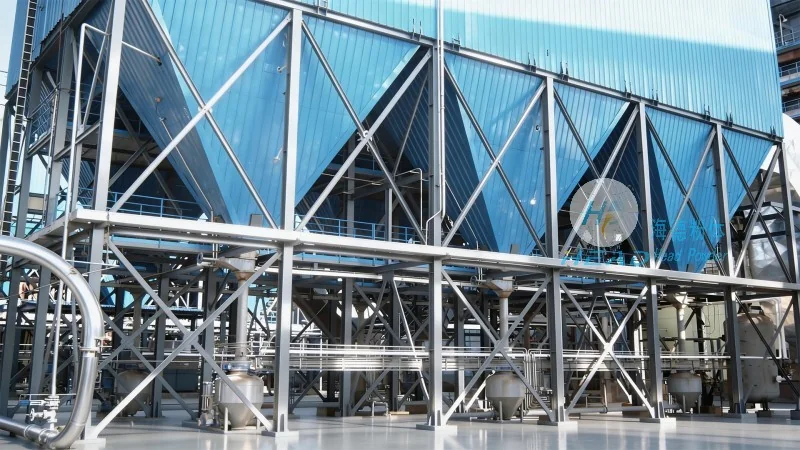
Another important factor is the pipeline design. The diameter and length of the pipeline, along with the number of bends and fittings, affect the system's efficiency and pressure drop. Larger diameter pipes reduce friction losses but increase cost and space requirements. Properly sized and routed pipelines minimize energy consumption and ensure consistent material flow. Additionally, the use of smooth, corrosion-resistant materials like stainless steel or PVC is essential to prevent material buildup and maintain system longevity.
Selection of Conveying Equipment and Components
The choice of conveying equipment, including the blower, feeder, and control system, directly impacts the system's performance. For silage, high-capacity, low-speed blowers are recommended to avoid excessive wear and maintain material integrity. The feeder must be capable of handling the bulk density and flow rate of silage, often using screw or rotary feeders that can accommodate wet and fibrous materials. Control systems, such as variable frequency drives (VFDs), allow for adjustable airflow and pressure, enabling the system to adapt to changing material conditions and load variations.
Addressing Challenges in Silage Handling
Designing a silage pneumatic conveying system involves addressing several challenges, including material variability, moisture content, and potential blockages. To mitigate these issues, system designers often incorporate features like air locks, cyclones, and cleaning mechanisms. Air locks prevent backflow and maintain system pressure, while cyclones separate the conveyed material from the air stream, allowing for efficient material recovery and reduced energy consumption. Regular maintenance and cleaning schedules are also critical to prevent clogging and ensure long-term system reliability.
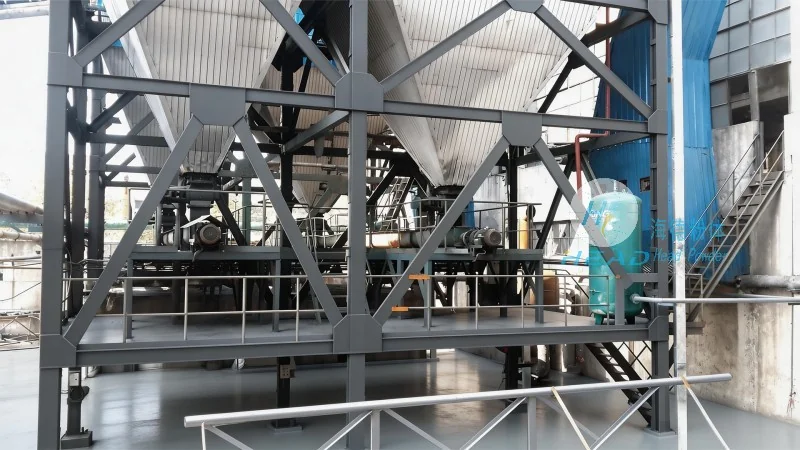
Case Study: Successful Implementation by Shandong HeadPowder Engineering Co., Ltd.
Shandong HeadPowder Engineering Co., Ltd., a leading provider of pneumatic conveying solutions, has successfully designed and implemented silage conveying systems for numerous agricultural operations. By leveraging their expertise in material handling and system engineering, the company has helped clients optimize their feed handling processes, reduce operational costs, and improve overall efficiency. For example, one client, a large dairy farm in China, implemented a positive pressure silage conveying system that increased their material throughput by 30% while maintaining the quality of the silage. The system's design, incorporating stainless steel pipelines, high-capacity blowers, and advanced control systems, addressed the farm's specific challenges, including high moisture content and frequent material changes.
Conclusion: Designing for Long-Term Efficiency
Designing a reasonable silage material pneumatic conveying system requires a comprehensive understanding of material characteristics, operational requirements, and system components. By considering factors such as system type, pipeline design, and equipment selection, agricultural operations can develop a system that maximizes efficiency, minimizes downtime, and ensures the quality of their feed. With the right design approach and expertise, such as that offered by Shandong HeadPowder Engineering Co., Ltd., farms and feed processing facilities can achieve sustainable and cost-effective silage handling solutions that meet their long-term operational goals.




