Phosphoric hydrogen calcium powder handling refers to the process of transporting and managing phosphoric hydrogen calcium powder, a critical component in various industrial applications. This article delves into the fundamental aspects of powder handling systems, focusing on the design principles that ensure efficient and reliable operation. The discussion will cover key factors influencing system performance, including material properties, equipment selection, and operational considerations.
Understanding Phosphoric Hydrogen Calcium Powder Characteristics
Before designing a powder handling system, it is essential to understand the physical and chemical properties of phosphoric hydrogen calcium powder. This material, commonly used in food, pharmaceutical, and chemical industries, exhibits specific characteristics such as particle size distribution, bulk density, and flowability. These properties directly impact the choice of equipment and the overall system design. For instance, the particle size may affect the powder's flow behavior, while bulk density influences the capacity of storage and conveying equipment. The flowability of the powder, often measured by parameters like angle of repose and compressibility, is crucial for preventing issues like bridging, rat-holing, and segregation during handling.
Key Design Principles for Efficient Powder Handling
The design of a phosphoric hydrogen calcium powder handling system must adhere to several core principles to ensure optimal performance. First, the system should minimize material degradation and contamination, which is vital for applications where product quality is paramount. This involves selecting appropriate materials for equipment components, such as stainless steel or food-grade plastics, to prevent chemical reactions or contamination. Second, the system must address the unique flow characteristics of the powder, incorporating features like aeration, vibration, or mechanical aids to maintain consistent flow. For example, using a rotary valve or a feeder with adjustable speed can help control the discharge rate and prevent overloading or underloading of downstream equipment. Third, the design should prioritize energy efficiency and operational reliability. This includes selecting energy-efficient motors, implementing proper maintenance schedules, and ensuring the system can handle variations in feed rate or material properties without compromising performance.

Equipment Selection and Integration in Phosphoric Hydrogen Calcium Powder Handling
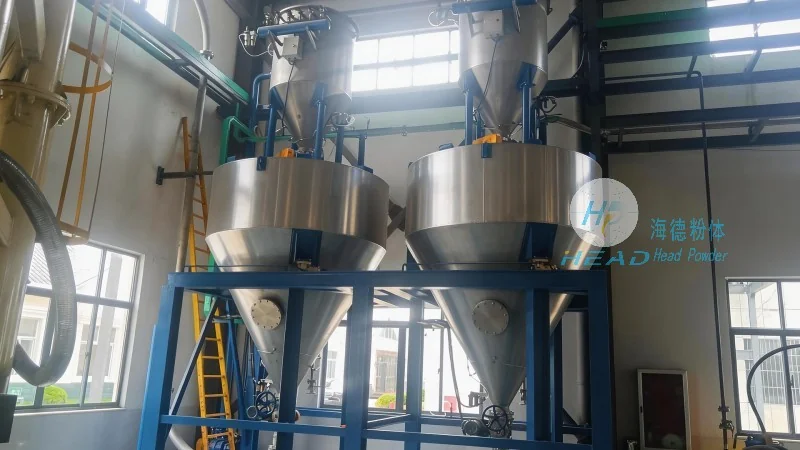
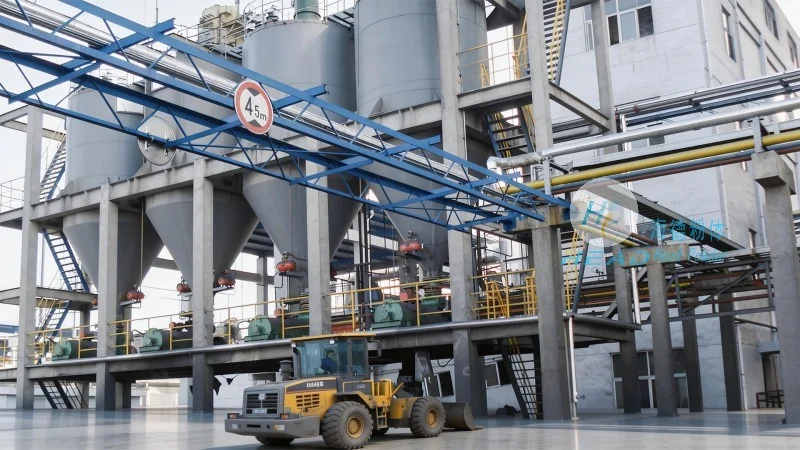
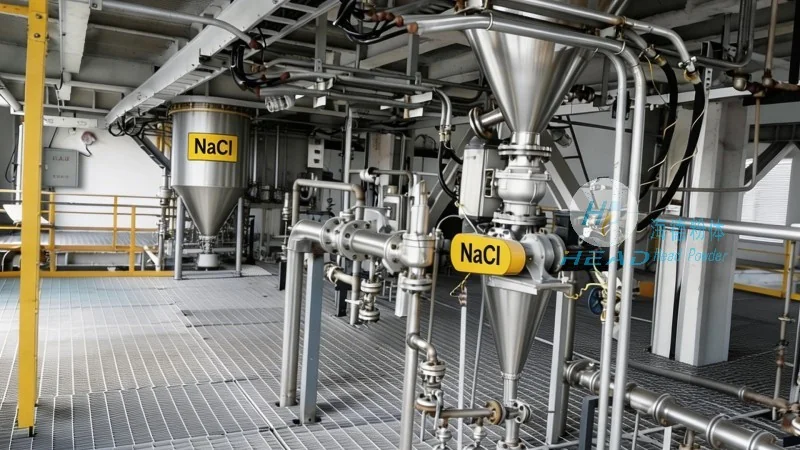
Choosing the right equipment is a critical step in designing an effective powder handling system for phosphoric hydrogen calcium. The selection process typically involves evaluating various components, including storage silos, feeders, conveyors, and control systems. Storage silos are designed to hold the powder in bulk, with features like a conical bottom to facilitate discharge. The design of the silo, including its shape and internal surfaces, is crucial to prevent material buildup and ensure smooth flow. Feeders, such as screw feeders or vibratory feeders, are used to regulate the flow of powder from the silo to the conveyor system. The choice of feeder depends on the powder's flowability and the required discharge rate. Conveyors, such as pneumatic or mechanical systems, transport the powder from one location to another. Pneumatic conveyors use air to move the powder, which is suitable for fine powders and can handle long distances. Mechanical conveyors, like belt or chain conveyors, are more suitable for bulkier materials and require less maintenance. Control systems, including sensors and automation, monitor the system's performance and adjust parameters as needed to maintain optimal operation.
Operational Considerations and Best Practices
Once the powder handling system is designed and installed, proper operation and maintenance are essential to ensure long-term performance. Regular cleaning and maintenance of equipment are necessary to prevent material buildup and maintain flow. This includes cleaning silos, feeders, and conveyors after each batch or at regular intervals. Additionally, monitoring the system's performance through sensors and data logging can help identify potential issues before they become major problems. Best practices also include training operators on the proper use of the system and the importance of following safety protocols. For example, operators should be trained to handle the powder safely, avoiding inhalation or skin contact, and to follow proper lockout/tagout procedures when performing maintenance.
About Shandong HeadPowder Engineering Co., Ltd.
Shandong HeadPowder Engineering Co., Ltd., commonly known as HeadPowder, is a leading provider of powder handling solutions. With a focus on innovation and customer satisfaction, the company specializes in designing and manufacturing systems tailored to the unique needs of various industries. HeadPowder's expertise lies in understanding the specific requirements of different powders, including phosphoric hydrogen calcium, and developing customized solutions that enhance efficiency and reliability. The company's team of engineers and technicians work closely with clients to assess their needs, provide recommendations, and deliver high-quality systems that meet or exceed industry standards. HeadPowder is committed to providing sustainable and efficient powder handling solutions, contributing to the success of its clients in their respective fields.




