Understanding the mechanisms and principles behind the handling of potassium hydroxide (KOH) powder is crucial for industries that rely on this strong base in various applications. As a key component in chemical manufacturing, pharmaceuticals, and industrial processes, the efficient and safe transport of KOH powder requires specialized equipment and design considerations. This article delves into the fundamentals of potassium hydroxide powder handling, focusing on the core design principles that ensure optimal performance and safety.
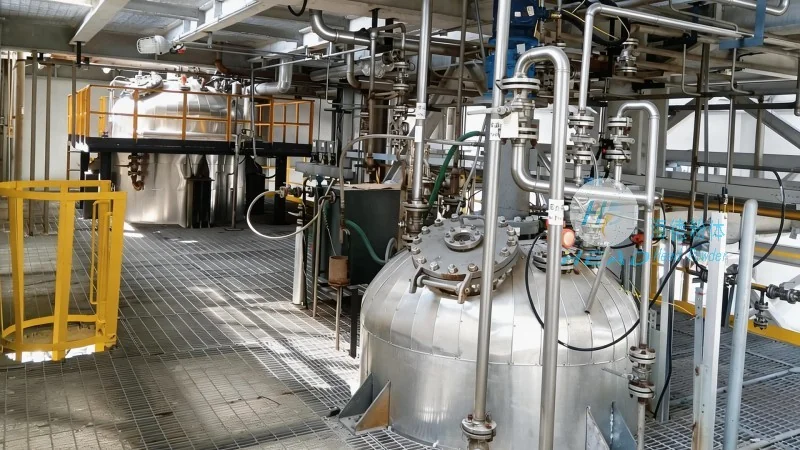
Potassium Hydroxide Powder Handling: An Overview
Potassium hydroxide is a white, hygroscopic solid that is highly reactive with water and air. Its handling demands careful attention due to its caustic nature and tendency to absorb moisture from the environment. The primary goal of powder handling systems for KOH is to transport the material from storage to processing units without degradation, contamination, or safety hazards. This involves controlling factors such as moisture, temperature, and material flow to maintain the integrity of the powder and ensure operational efficiency.
Key Design Principles for Potassium Hydroxide Powder Handling
The design of KOH powder handling systems is guided by several critical principles that address the unique properties of the material. First, the system must minimize exposure to moisture and air to prevent caking or clumping, which can impede flow and cause blockages. This is typically achieved through sealed conveying lines, dry air purging, and the use of moisture-resistant components. Second, the equipment must handle the material's high reactivity and potential for exothermic reactions during processing. Proper temperature control and heat dissipation mechanisms are essential to prevent overheating and ensure safe operation. Third, the design emphasizes the prevention of dust generation and inhalation risks, as KOH dust can cause severe respiratory irritation. Enclosed systems, dust collection, and proper ventilation are integral to maintaining a safe working environment.
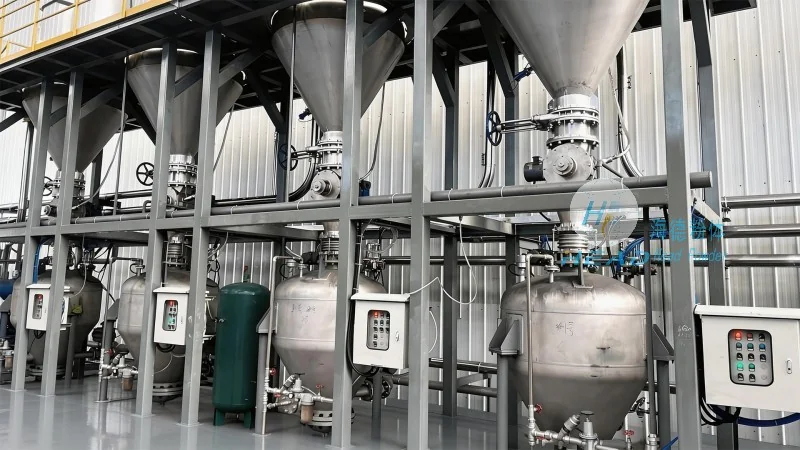
Equipment and Components in Potassium Hydroxide Powder Handling Systems
Several types of equipment are commonly used in KOH powder handling systems, each serving a specific function in the transport process. Conveying systems such as screw conveyors, pneumatic conveyors, and bucket elevators are employed to move the powder from storage silos to processing units. Screw conveyors are often preferred for their ability to handle bulk materials and maintain a consistent flow rate. Pneumatic conveyors, on the other hand, use air pressure to transport the powder, which is particularly useful for long-distance or vertical transport. Bucket elevators are used for vertical lifting, ensuring the material is moved safely and efficiently between different levels of a facility.
Material Handling Considerations for Potassium Hydroxide
When designing a powder handling system for KOH, several material-specific considerations must be addressed. The hygroscopic nature of KOH means that the system must be designed to keep the material dry throughout the process. This includes using materials that are resistant to corrosion and chemical attack, such as stainless steel or specialized plastics. Additionally, the system must be equipped with proper sealing and gasketing to prevent moisture ingress. The flow characteristics of KOH powder, which can be cohesive or free-flowing depending on moisture content, require adjustments in conveyor speed and feed rate to maintain consistent performance. Proper maintenance and cleaning protocols are also essential to prevent the buildup of material on equipment surfaces, which can lead to blockages or contamination.
Ensuring Safety and Compliance in Potassium Hydroxide Handling
Due to the caustic and hazardous nature of potassium hydroxide, safety is a top priority in its handling. The design of the system must comply with relevant safety standards and regulations, such as those from OSHA (Occupational Safety and Health Administration) and local environmental agencies. This includes implementing measures to prevent accidental release, such as pressure relief valves and emergency shut-off systems. Personal protective equipment (PPE) for operators, including gloves, goggles, and respirators, is also a critical component of safety protocols. Regular inspections and maintenance of the equipment are necessary to ensure that all safety features are functioning correctly and that the system remains in compliance with regulatory requirements.
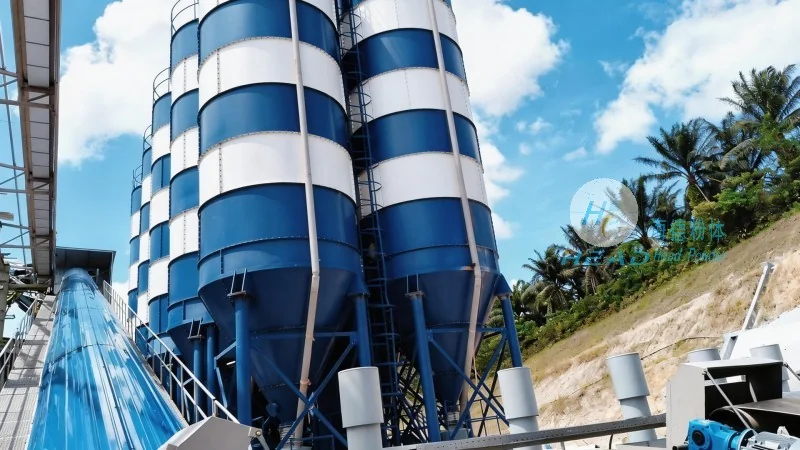
Applications and Industries Using Potassium Hydroxide Powder Handling
Potassium hydroxide powder handling systems are utilized in a wide range of industries where KOH is a key ingredient. In the chemical industry, KOH is used in the production of soaps, detergents, and other cleaning products. In the pharmaceutical industry, it is used as a base in the synthesis of various drugs and as a component in antacid formulations. The food industry also utilizes KOH in the processing of certain food products, such as in the production of alkaline solutions for processing. Additionally, KOH is used in the paper and textile industries for bleaching and finishing processes. The versatility of KOH makes it essential in many manufacturing processes, and the efficient handling of this material is critical to the success of these industries.
Conclusion: The Importance of Proper Potassium Hydroxide Powder Handling
In conclusion, the handling of potassium hydroxide powder requires a comprehensive approach that addresses the material's unique properties and the need for safety and efficiency. The design principles outlined above, including moisture control, temperature management, and dust prevention, are essential for creating a reliable and safe powder handling system. By adhering to these principles and utilizing appropriate equipment, industries can ensure the consistent and safe transport of KOH powder, supporting their operational needs while maintaining compliance with safety standards. As the demand for KOH continues to grow in various industries, the importance of well-designed powder handling systems will only increase, making it a critical aspect of industrial operations.




