Ternary materials, especially in the context of lithium-ion battery cathodes, are pivotal to modern energy storage technologies. As the demand for high-performance batteries expands, the efficient handling and transportation of these specialized powders become essential for maintaining production efficiency and product quality. This article explores the concept of ternary material powder handling, detailing the fundamental design principles that underpin effective systems for these sensitive materials.
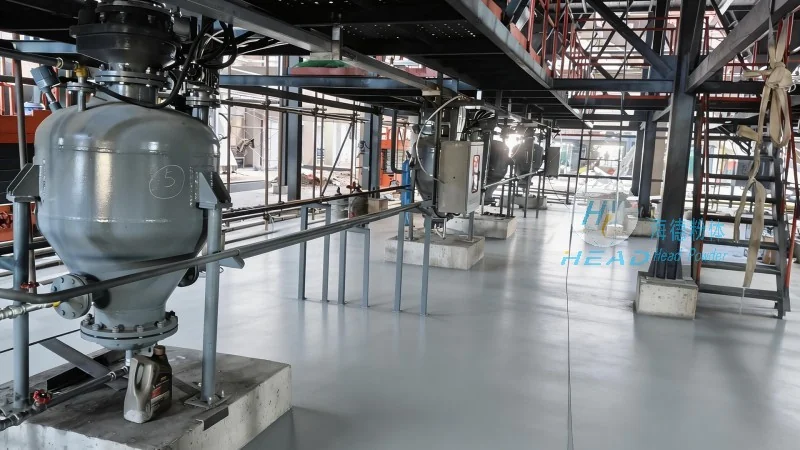
Understanding Ternary Material Powder Handling
Ternary material powder handling involves the processes and technologies used to move, store, and manage powders composed of three distinct chemical components—typically lithium, nickel, cobalt, and manganese (or other elements) in specific ratios. These materials are highly susceptible to moisture, oxidation, and contamination, making the design of handling systems a complex task that requires careful consideration of material properties, process requirements, and operational safety.
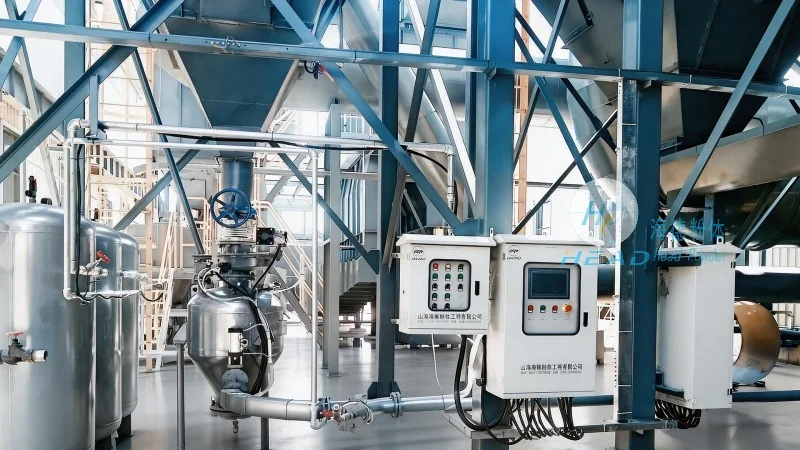
Key Design Principles for Ternary Material Handling Systems
The design of an effective ternary material handling system must adhere to several core principles to ensure reliability, efficiency, and product integrity. First, the system must minimize exposure to air and moisture, as these elements can degrade the material's performance and pose safety risks. This is typically achieved through airtight enclosures, vacuum or pressure-controlled environments, and specialized sealing mechanisms. Second, the system must prevent cross-contamination between different batches or materials. This is critical in manufacturing settings where multiple formulations are processed simultaneously, and design solutions include dedicated lines, isolation valves, and material-specific hoppers or containers. Third, the system must ensure consistent flow and uniform mixing to maintain the precise chemical composition of the ternary material. This often involves the use of high-quality mixers, agitators, and controlled feeding mechanisms.
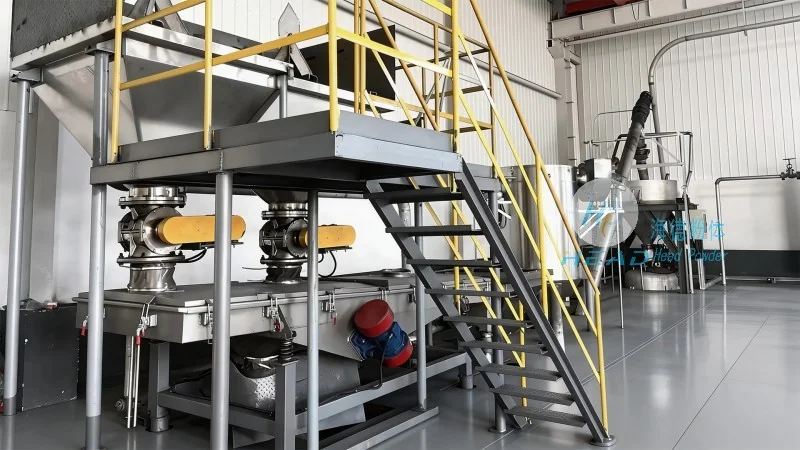
Equipment and Components in Ternary Material Handling
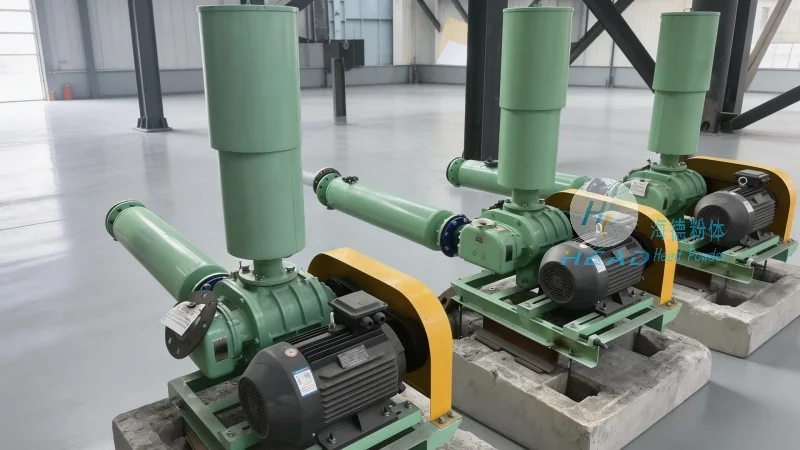
Several key equipment components are integral to a robust ternary material handling system. These include: hoppers and feeders, which control the flow rate and prevent material bridging or clogging; conveyors, such as pneumatic or mechanical systems, that transport the powder from one location to another; mixers, like ribbon or planetary mixers, that ensure homogeneous blending of the ternary components; and storage silos or tanks that maintain the material's stability during storage. Each component must be selected based on the specific properties of the ternary material, such as its particle size, density, and flowability.
Company Overview: Shandong HeadPowder Engineering Co., Ltd.
HeadPowder, a leading provider of powder handling solutions, specializes in designing and manufacturing systems tailored to the unique needs of ternary material processing. With a focus on innovation and precision engineering, the company has developed a range of products that address the challenges of handling sensitive powders. HeadPowder's expertise lies in creating customized solutions that integrate the core design principles discussed above, ensuring that clients can achieve optimal performance and safety in their production processes.
Address and Location
HeadPowder is headquartered in Shandong, China, where the company operates from a facility equipped with advanced manufacturing and testing capabilities. This location allows the company to serve clients in the region while maintaining global standards for quality and reliability.




