Understanding the efficient handling of Lithium Nickel Cobalt Aluminum Oxide (NCA) powder is crucial in the battery manufacturing industry. NCA is a key cathode material used in lithium-ion batteries, and its proper handling ensures optimal performance and safety. This article explores the fundamentals of NCA powder handling systems and the underlying design principles that govern their operation.
Introduction to NCA Powder Handling
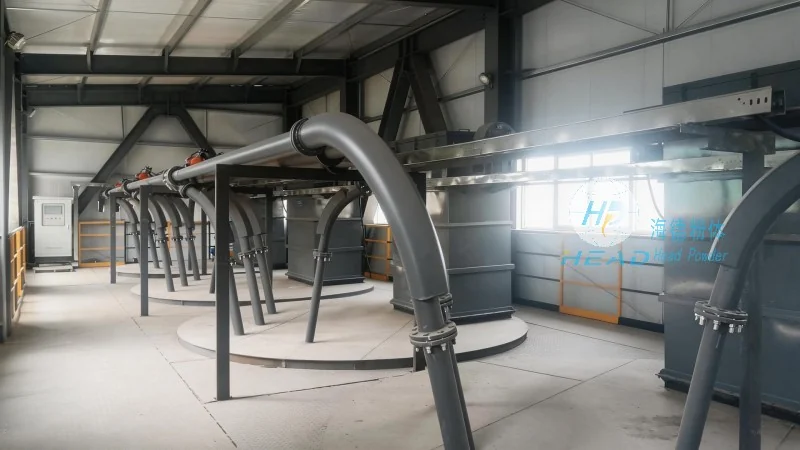
Lithium Nickel Cobalt Aluminum Oxide, commonly referred to as NCA, is a high-energy density cathode material widely used in electric vehicle (EV) and consumer electronics batteries. The handling of NCA powder involves the transport, storage, and processing of this fine, reactive material. Due to its hygroscopic and potentially hazardous properties, specialized equipment and design considerations are essential to prevent contamination, degradation, and safety risks. The primary goal of NCA powder handling systems is to maintain the material's integrity while ensuring safe and efficient operation within industrial settings.
Key Design Principles for NCA Powder Handling
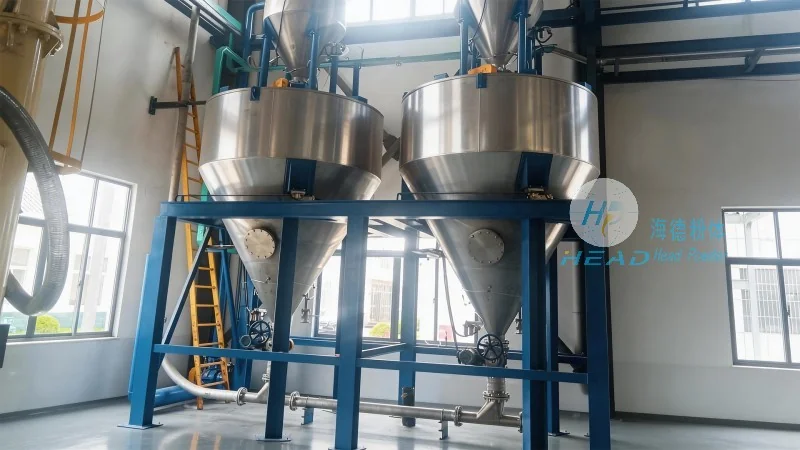
The design of NCA powder handling systems is guided by several critical principles to ensure reliability and performance. First, the system must minimize exposure to moisture and air, as NCA is hygroscopic and can react with water or oxygen, leading to performance degradation. This is achieved through the use of airtight and sealed components, such as vacuum or inert gas (e.g., nitrogen) purged systems. Second, the system must prevent particle agglomeration and segregation, which can affect the uniformity of the material. This is addressed through the incorporation of specialized feeding mechanisms, such as rotary valves, vibratory feeders, and air classifiers, that maintain the powder's flowability and homogeneity. Third, the system must prioritize safety by controlling dust generation and preventing dust explosions. This is accomplished through the use of explosion-proof designs, dust collection systems, and proper grounding to mitigate fire and explosion risks. Finally, the system must be scalable and adaptable to varying production volumes and material specifications, allowing for flexibility in manufacturing processes.
Components and Technologies in NCA Powder Handling Systems
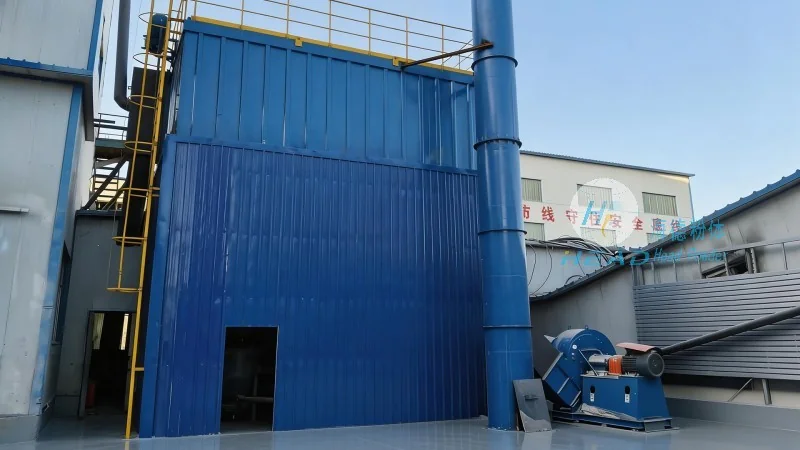
NCA powder handling systems typically consist of several interconnected components, each playing a vital role in the overall operation. The primary components include material feeders, conveying systems, storage silos, and processing equipment. Feeders, such as loss-in-weight feeders or gravimetric feeders, are used to accurately measure and control the flow rate of NCA powder to downstream processes. Conveying systems, including pneumatic or mechanical conveyors, transport the powder from one location to another within the facility. Storage silos, often equipped with inert gas purging and temperature control, provide a stable environment for bulk storage of NCA powder. Processing equipment, such as mixers or extruders, may be integrated into the system to further refine the material before it is used in battery production. Each component is designed to work in harmony, ensuring that the NCA powder is handled consistently and efficiently throughout the manufacturing process.
Importance of Proper NCA Powder Handling in Battery Manufacturing
Proper NCA powder handling is not merely a logistical concern but a critical factor in the quality and performance of lithium-ion batteries. Inconsistent handling can lead to variations in the cathode material's composition, which directly impacts the battery's energy density, cycle life, and safety. For instance, exposure to moisture can cause the formation of hydroxides or carbonates, reducing the material's capacity and increasing the risk of thermal runaway. Similarly, improper mixing or segregation can result in non-uniform battery cells, leading to performance degradation and reduced lifespan. Therefore, the design and operation of NCA powder handling systems directly influence the overall quality and reliability of the final battery product. Companies specializing in battery materials, such as Shandong HeadPowder Engineering Co., Ltd., recognize the importance of these systems and invest in advanced technologies to ensure optimal performance and safety.
Conclusion
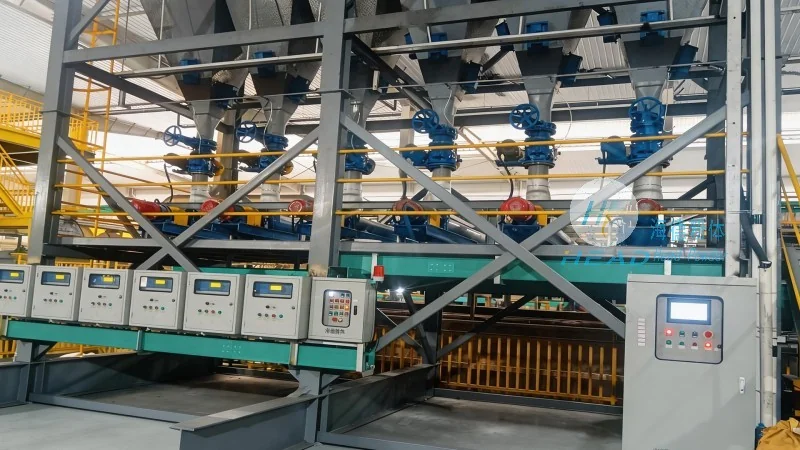
In summary, the handling of Lithium Nickel Cobalt Aluminum Oxide powder requires a comprehensive understanding of material properties and specialized engineering solutions. The design principles, components, and technologies employed in NCA powder handling systems are tailored to maintain the material's integrity, ensure safety, and support efficient battery manufacturing. As the demand for high-performance lithium-ion batteries continues to grow, the importance of robust and reliable NCA powder handling systems will only increase. Companies like Shandong HeadPowder Engineering Co., Ltd. play a vital role in providing these solutions, contributing to the advancement of the battery industry and the broader transition to sustainable energy technologies.




