For industrial applications involving the transport of iron powder, a pneumatic conveying system offers an efficient and reliable solution. This technology utilizes compressed air or other gas to move bulk materials like iron powder through a pipeline network. The system is designed to handle the unique properties of iron powder, ensuring minimal degradation, consistent flow, and effective material transfer. In this article, we will explore the components of an iron powder pneumatic conveying system and delve into the key design principles that govern its operation.
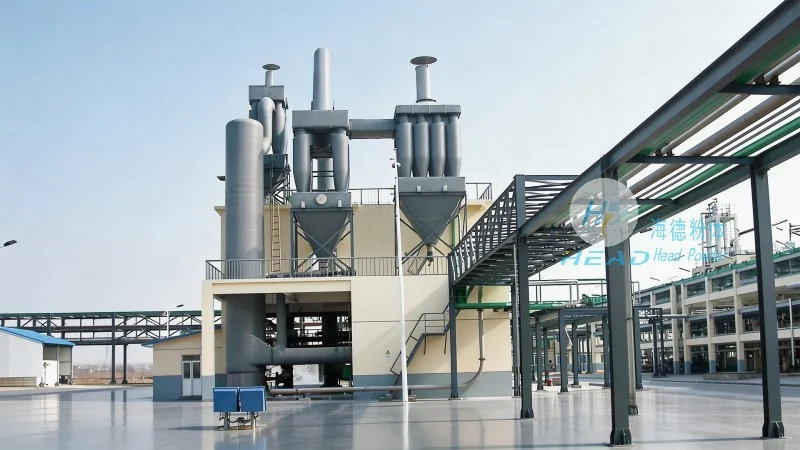
HeadPowder, a leading manufacturer based in Shandong, China, specializes in the design and production of advanced pneumatic conveying equipment. With years of experience in the field, the company has developed systems tailored to meet the specific demands of iron powder handling in various industrial sectors. The following sections will outline the essential elements of such a system and the critical design considerations that ensure optimal performance.
Core Components of an Iron Powder Pneumatic Conveying System
The iron powder pneumatic conveying system typically consists of several key components that work in concert to facilitate material transport. These include:
- Feeder: The feeder is responsible for introducing iron powder into the system at a controlled rate. For iron powder, which can be prone to bridging or segregation, a suitable feeder such as a rotary valve or a vibratory feeder is employed to ensure a consistent and uniform feed.
- Pneumatic Conveying Line: This is the main pipeline through which the iron powder is transported. The line is usually made of materials like stainless steel or plastic, chosen for their resistance to corrosion and wear from the iron powder. The diameter and length of the line are critical factors that affect the system's performance and pressure requirements.
- Compressor or Blower: The compressor or blower generates the necessary air pressure to move the iron powder through the line. The choice of equipment depends on the system's capacity and the distance over which the material needs to be conveyed. High-pressure blowers are often used for long-distance or high-capacity applications.
- Separation and Collection Equipment: At the receiving end of the system, separation equipment such as cyclones or filters is used to separate the iron powder from the air stream. This allows for the collection of the material in a controlled manner, preventing dust emissions and ensuring a clean process.
- Control System: A control system monitors and regulates the operation of the conveying process. It may include sensors to measure pressure, flow rate, and material level, as well as valves and actuators to adjust the system's parameters in real-time. This ensures that the system operates efficiently and safely.
Design Principles for Iron Powder Pneumatic Conveying Systems
The design of an iron powder pneumatic conveying system must consider several principles to ensure effective and reliable operation. These principles are tailored to the specific characteristics of iron powder, such as its density, flowability, and potential for agglomeration.
1. Material Properties Consideration: Iron powder has distinct physical properties that influence the system's design. For instance, its relatively high density and potential for bridging require careful selection of feeder and line dimensions. The system must be designed to handle the material's flow characteristics without causing blockages or uneven distribution. HeadPowder's engineers take into account these properties during the design phase to ensure the system can handle the specific demands of iron powder.
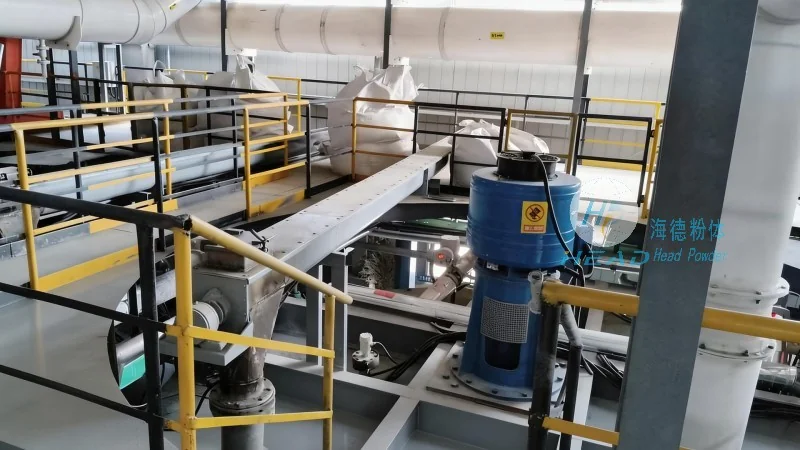
2. Pressure and Flow Rate Optimization: The pressure and flow rate of the air are critical parameters that determine the system's capacity and efficiency. The design must balance the need for sufficient air to move the iron powder with the risk of excessive pressure that could lead to equipment damage or material degradation. Proper sizing of the compressor and the conveying line is essential to achieve the optimal pressure and flow rate for the application.
3. System Sizing and Layout: The layout of the conveying system, including the length and number of bends, significantly impacts the pressure drop and overall efficiency. The design must account for the friction losses in the line and the effect of bends on the air flow. HeadPowder's expertise in system layout ensures that the conveying line is optimized for minimal pressure loss and maximum material transport efficiency.
4. Material Handling and Prevention of Degradation: Iron powder is sensitive to moisture and can degrade if exposed to air for extended periods. The system design must include features to minimize material exposure to the air and prevent moisture absorption. For example, the use of sealed feeders and the incorporation of drying or conditioning steps can help maintain the quality of the iron powder during transport.
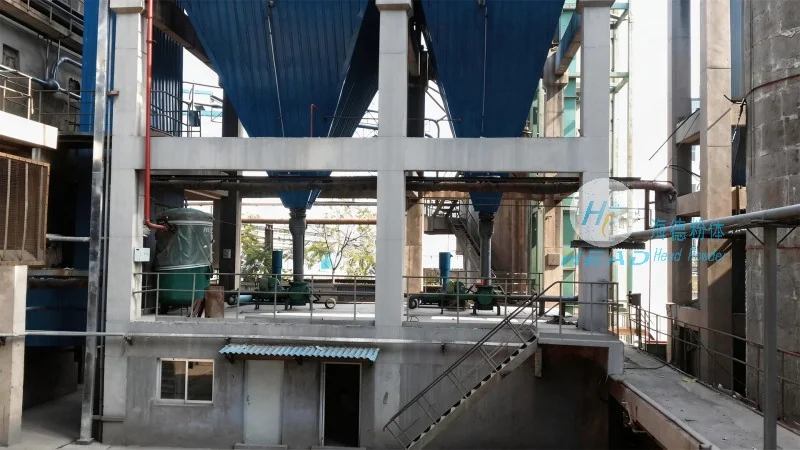
5. Safety and Maintenance Considerations: The design must also address safety aspects, such as preventing dust explosions and ensuring proper ventilation. Regular maintenance is crucial for the longevity of the system, and the design should facilitate easy access to components for inspection and repair. HeadPowder's systems are built with safety and maintenance in mind, ensuring long-term reliability and minimal downtime.
Applications and Benefits of Iron Powder Pneumatic Conveying Systems
Iron powder pneumatic conveying systems are widely used in various industries, including metallurgy, chemical processing, and pharmaceuticals. The primary benefits of using such a system include:
- Efficient Material Transport: The system allows for the rapid and continuous transport of iron powder over long distances, improving production efficiency.
- Reduced Labor and Downtime: Automated conveying reduces the need for manual handling, minimizing labor costs and downtime associated with material transfer.
- Improved Product Quality: By minimizing material exposure to air and moisture, the system helps maintain the quality of the iron powder, ensuring consistent product performance.
- Space Efficiency: The compact design of the pneumatic conveying system saves valuable floor space in industrial facilities.
- Environmental Benefits: Properly designed systems with effective dust collection reduce emissions and comply with environmental regulations.
HeadPowder's iron powder pneumatic conveying systems are engineered to deliver these benefits while meeting the specific requirements of each application. The company's commitment to quality and innovation ensures that clients receive systems that are not only efficient but also reliable and cost-effective.
Conclusion
An iron powder pneumatic conveying system is a sophisticated piece of equipment that combines mechanical and pneumatic principles to transport iron powder efficiently. The design of such a system requires careful consideration of material properties, system layout, and operational parameters. HeadPowder, with its expertise and experience, provides comprehensive solutions that meet the diverse needs of industrial clients. By adhering to the key design principles outlined above, these systems can deliver reliable performance, enhance productivity, and ensure the quality of iron powder in various industrial processes.




