For industries dealing with dry sand and similar bulk materials, understanding the dry sand pneumatic conveying system is crucial. This technology offers an efficient method for transporting dry sand and other fine powders over short to medium distances, often replacing traditional methods like trucks or conveyor belts. The system's design is tailored to handle the unique properties of dry sand, ensuring minimal product degradation and high operational efficiency.
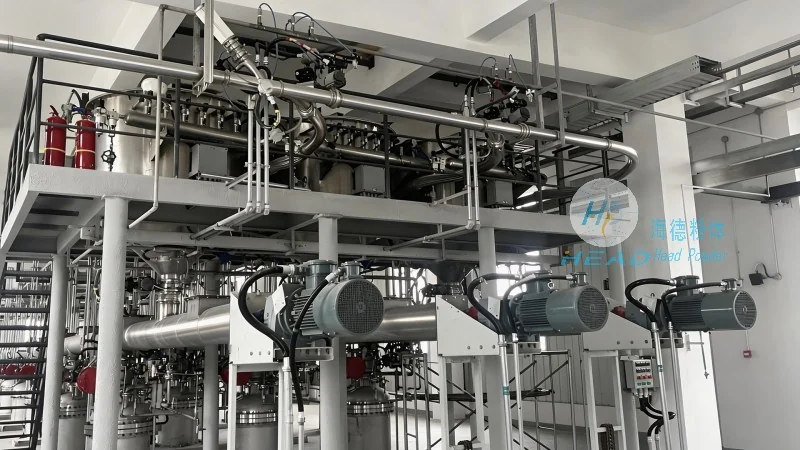
Introduction to Dry Sand Pneumatic Conveying Systems
A dry sand pneumatic conveying system is a type of pneumatic conveying equipment designed specifically for transporting dry sand and other dry bulk materials. Unlike wet or slurry systems, this system operates by using compressed air to move the material through a pipeline. The core components typically include a hopper for material storage, a blower or compressor to generate the air flow, a pipeline network to transport the material, and a receiver or discharge point where the material is collected. The system is engineered to handle dry sand efficiently, minimizing the risk of clogging and ensuring consistent material flow.
Key Components of the Dry Sand Pneumatic Conveying System
The effectiveness of a dry sand pneumatic conveying system depends on several critical components that work in harmony. The first component is the material hopper, which stores the dry sand and provides a controlled feed to the system. The hopper is designed with a smooth interior to prevent material buildup and ensure uniform discharge. Next, the blower or compressor is responsible for generating the necessary air pressure and flow rate. This component must be capable of handling the specific air volume and pressure required for the dry sand's properties, such as particle size and density. The pipeline network is another essential part, constructed from materials like stainless steel or PVC to withstand the abrasive nature of dry sand and maintain air tightness. Finally, the receiver or discharge unit collects the dry sand at the end of the conveying line, often equipped with a filter to remove any entrained air and prevent dust emissions.
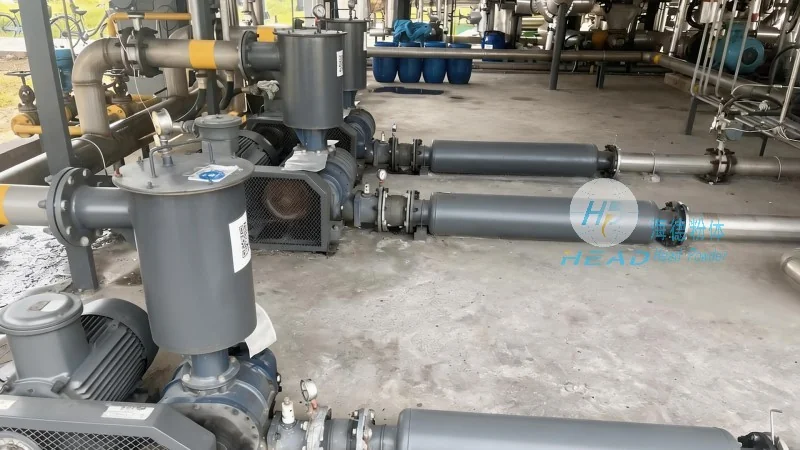
Design Principles for Optimal Performance
The design principles of a dry sand pneumatic conveying system are centered on maximizing efficiency, minimizing energy consumption, and ensuring the integrity of the dry sand. One key principle is the selection of the appropriate air velocity. The air velocity must be high enough to keep the dry sand particles suspended in the air stream but not so high as to cause excessive wear on the pipeline or increase energy costs. Engineers typically calculate the optimal air velocity based on the particle size, density, and flow rate of the dry sand. Another important principle is the system's pressure drop, which refers to the reduction in air pressure as it travels through the pipeline. Proper design minimizes pressure drop to reduce the load on the blower and lower energy consumption. The system also incorporates features like pulse jets or rotary valves to control the flow of dry sand, preventing blockages and ensuring smooth operation. Additionally, the design considers the material's moisture content and potential for static electricity, as these factors can affect the conveying process and require appropriate measures like anti-static coatings or humidifiers.
Applications and Benefits of Dry Sand Pneumatic Conveying Systems
Dry sand pneumatic conveying systems are widely used in various industries where dry sand is a key material. These include construction, where dry sand is used in concrete production and mortar mixing; mining, where it may be part of ore processing or tailings management; and manufacturing, where it serves as a raw material in various products. The primary benefits of this system over traditional methods include reduced labor costs, as it eliminates the need for manual handling and loading of dry sand. It also minimizes material loss and contamination, as the enclosed system prevents dust from escaping and keeps the dry sand clean. Furthermore, the system offers flexibility in terms of layout, allowing dry sand to be transported from multiple sources to a central processing facility or from a processing plant to storage areas. The energy efficiency of the system is another significant advantage, as it uses compressed air more effectively than other methods, resulting in lower operational costs over time.
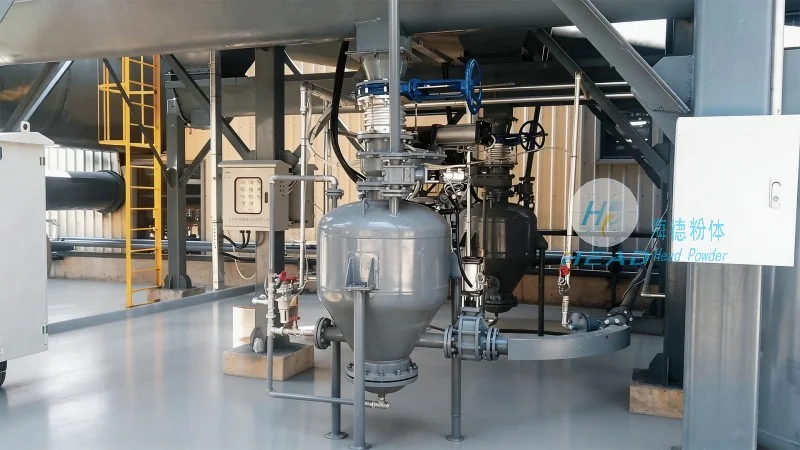
Company Overview: Shandong HeadPowder Engineering Co., Ltd.
Shandong HeadPowder Engineering Co., Ltd., commonly known as headpowder, is a leading manufacturer and supplier of pneumatic conveying systems, including dry sand pneumatic conveying equipment. With a focus on innovation and quality, the company has established itself as a trusted partner for industries requiring reliable and efficient material handling solutions. HeadPowder's expertise lies in designing and manufacturing customized pneumatic conveying systems tailored to the specific needs of each client. The company's products are known for their durability, energy efficiency, and compliance with industry standards. HeadPowder operates from China, providing comprehensive support from initial consultation and system design to installation and after-sales service. The company's commitment to customer satisfaction and technological advancement has made it a preferred choice for businesses seeking to improve their material handling processes.
Conclusion: The Importance of Proper Design and Implementation
In conclusion, a dry sand pneumatic conveying system is a sophisticated piece of equipment that plays a vital role in the efficient handling of dry sand and similar bulk materials. Its design principles, centered on optimal air velocity, pressure management, and material flow control, ensure high performance and minimal operational issues. The system's benefits, including cost savings, reduced contamination, and flexibility, make it an attractive option for industries relying on dry sand. With companies like Shandong HeadPowder Engineering Co., Ltd. providing advanced solutions, businesses can leverage this technology to enhance their productivity and maintain a competitive edge in their respective markets. By understanding the design principles and benefits of dry sand pneumatic conveying systems, industries can make informed decisions about adopting this technology to improve their material handling processes.




