When it comes to efficiently transporting silica sand, pneumatic conveying systems have become a preferred solution in various industrial applications. These systems utilize air or gas to move the material from one location to another, offering advantages such as reduced labor costs, minimized material handling, and improved safety compared to traditional methods like trucks or conveyors. However, understanding the fundamentals of a silica sand pneumatic conveying system and its design principles is crucial for optimizing performance and ensuring reliable operation. This article will explore the key aspects of such systems, focusing on the technology behind them and the engineering principles that govern their design.
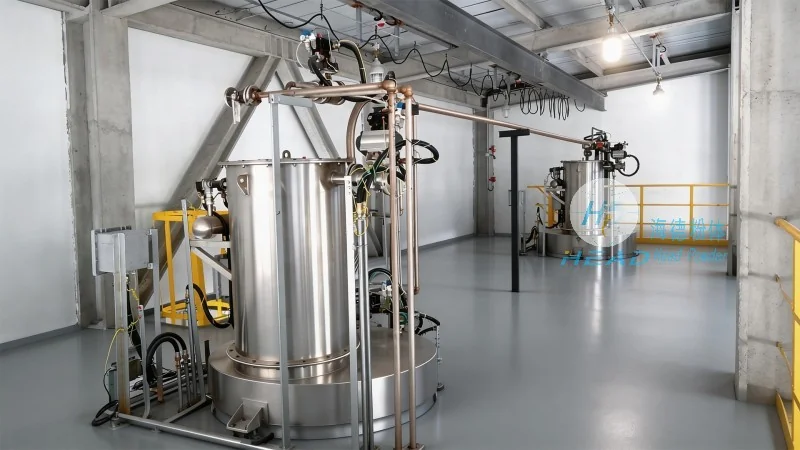
Introduction to Silica Sand Pneumatic Conveying Systems
Silica sand, a common industrial material, is widely used in construction, glass manufacturing, and as a raw material in various chemical processes. Conventional methods of transporting silica sand, such as bulk trucks or mechanical conveyors, often face challenges like dust generation, material degradation, and high operational costs. Pneumatic conveying systems address these issues by using compressed air to transport the sand in a closed or semi-closed system. The core of a pneumatic conveying system is the ability to create a flow of air that can carry the sand particles through pipelines, making it an efficient and flexible solution for material handling.
About HeadPowder: A Leading Provider of Pneumatic Conveying Solutions
HeadPowder, a prominent name in the field of material handling and processing equipment, specializes in designing and manufacturing high-quality pneumatic conveying systems. With years of experience and a commitment to innovation, HeadPowder has established itself as a trusted partner for industries requiring reliable and efficient material transport solutions. The company's headquarters is located in Shandong, China, where it leverages advanced engineering capabilities and local expertise to develop cutting-edge systems tailored to the needs of its clients. HeadPowder's products are known for their durability, energy efficiency, and adaptability, making them suitable for a wide range of applications involving silica sand and other bulk materials.
Design Principles of Silica Sand Pneumatic Conveying Systems
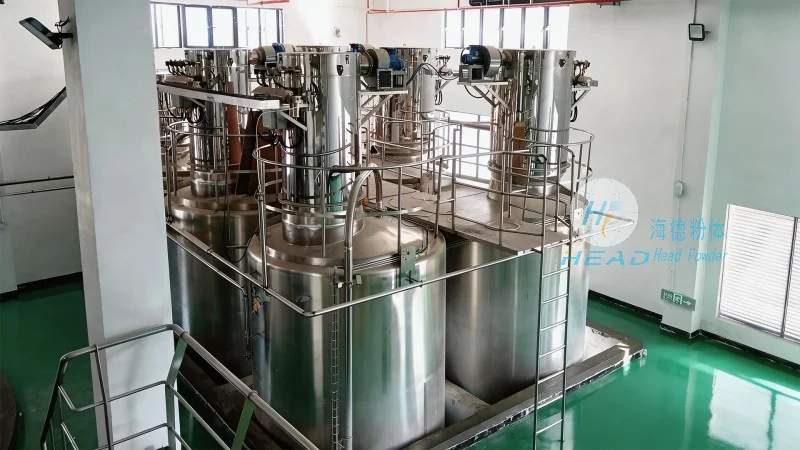
The design of a silica sand pneumatic conveying system is based on several fundamental principles that ensure the efficient and safe transport of the material. The primary design considerations include the system's capacity, the type of conveying (e.g., dilute phase or dense phase), the pressure and flow rates required, and the overall layout of the pipeline network. Dilute phase conveying, where the sand particles are suspended in a high-velocity air stream, is commonly used for short to medium distances and low to medium material loads. Dense phase conveying, on the other hand, involves a slower air velocity and higher material concentration, making it suitable for longer distances and higher material loads while minimizing particle degradation.
Key components of a silica sand pneumatic conveying system include the material feed hopper, the air compressor or blower, the conveying pipelines, the control valves, and the discharge equipment. The feed hopper is designed to feed the silica sand into the system at a controlled rate, preventing clogging and ensuring a consistent flow. The air compressor provides the necessary pressure and volume of air to move the sand through the pipelines. The pipelines are typically made of materials such as stainless steel or plastic, chosen for their resistance to corrosion and wear from the sand particles. Control valves are used to regulate the flow of air and material, allowing for adjustments based on operational needs. The discharge equipment, such as a receiver or a rotary valve, collects the sand at the end of the conveying line and discharges it into the final destination.
System Performance and Optimization
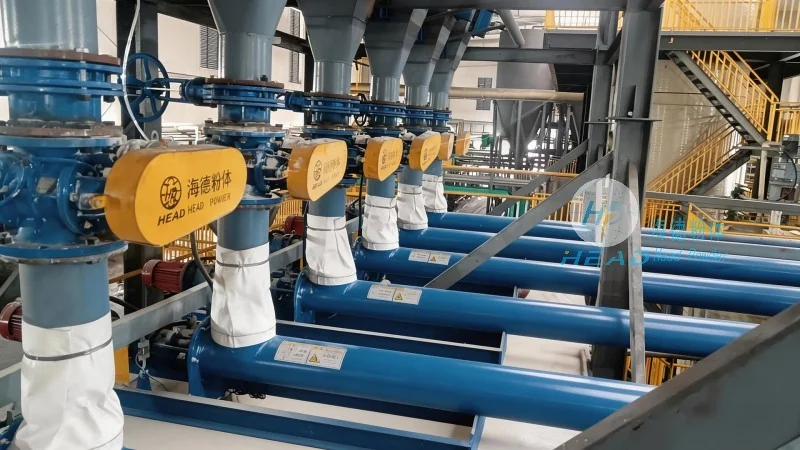
The performance of a silica sand pneumatic conveying system is influenced by various factors, including the particle size and density of the sand, the air pressure and flow rate, and the length and diameter of the pipelines. Proper design and selection of these components are critical to achieving optimal performance. For instance, the air velocity must be high enough to keep the sand particles suspended but not so high that it causes excessive wear on the pipelines or increases energy consumption. The system's capacity is determined by the cross-sectional area of the pipelines and the air velocity, and it must be matched to the required material flow rate. Additionally, the system's pressure drop along the pipelines must be considered to ensure that the compressor can provide sufficient pressure to overcome the resistance and maintain the desired flow.
Applications and Benefits of Silica Sand Pneumatic Conveying
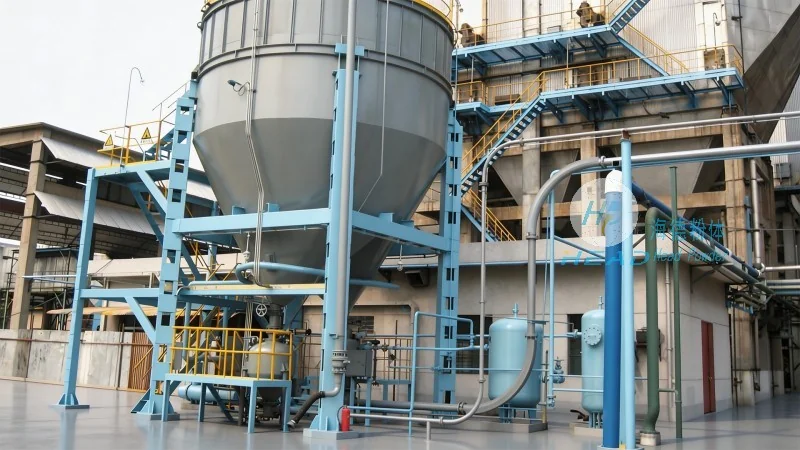
Silica sand pneumatic conveying systems are widely used in various industries due to their versatility and efficiency. In the construction industry, they are used to transport sand for concrete mixing and other applications. In the glass manufacturing industry, they are used to move sand from storage to the production lines, where it is used as a raw material. In the chemical industry, they are used to transport sand in processes involving filtration and drying. The benefits of using pneumatic conveying systems for silica sand include reduced dust emissions, improved safety by eliminating manual handling, lower operational costs compared to traditional methods, and the ability to transport the material over long distances without the need for intermediate storage or handling.
Conclusion
In conclusion, a silica sand pneumatic conveying system is an advanced and efficient solution for transporting silica sand in industrial applications. The design principles behind these systems, including the selection of conveying type, component selection, and system layout, are critical to ensuring optimal performance and reliability. Companies like HeadPowder, with their expertise and commitment to quality, play a vital role in providing these systems to industries worldwide. By understanding the fundamentals of pneumatic conveying and leveraging the right technology, industries can enhance their material handling processes, reduce costs, and improve overall operational efficiency.




