For industries that rely on limestone for construction, chemical production, or environmental applications, the limestone pneumatic conveying system is a vital piece of equipment. This technology provides an efficient and reliable method for transporting bulk limestone from one location to another, often with minimal human intervention and reduced risk of contamination. Understanding the components and design principles of such a system is essential for optimizing material handling processes and ensuring operational efficiency.
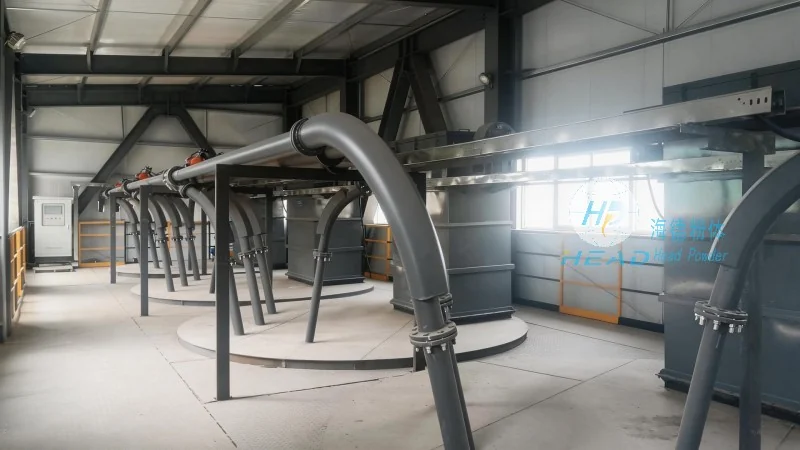
Understanding the Limestone Pneumatic Conveying System
A limestone pneumatic conveying system is a type of material handling equipment that utilizes compressed air or other gases to move dry bulk materials, specifically limestone, through a network of pipes. Unlike traditional methods like belt conveyors or trucks, this system operates by creating a flow of air that carries the limestone particles along the pipeline. The enclosed design of the system helps maintain the integrity of the limestone and prevents dust from escaping into the environment, making it suitable for applications where material purity and dust control are critical. This technology is particularly valuable in industries where limestone is used as a raw material, such as in cement manufacturing or chemical processing.
Key Components of the System
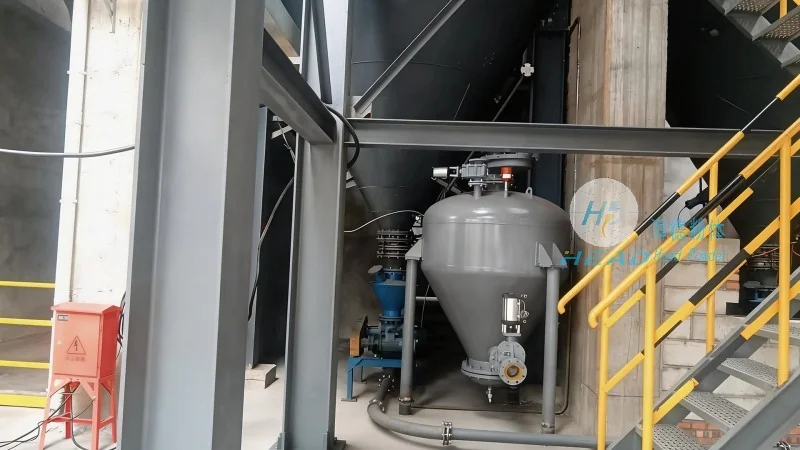
The effectiveness of a limestone pneumatic conveying system depends on several key components that work together to ensure smooth operation. These components include the material feed hopper, which holds and feeds the limestone into the system; the air compressor or blower, which generates the necessary air pressure to move the material; the conveying line, which consists of pipes that transport the limestone and air mixture; and the receiver or discharge hopper, where the limestone is collected at the destination. Additional accessories like filters to remove dust from the air, valves to control flow, and sensors to monitor pressure and flow rates are also integral to the system's performance. The design of these components must be tailored to the specific characteristics of the limestone being handled, such as particle size, density, and flow behavior.
Design Principles and Considerations
The design of a limestone pneumatic conveying system is based on several fundamental principles that ensure optimal performance and efficiency. One of the primary principles is the balance between air velocity and material velocity. The air velocity must be sufficient to lift and transport the limestone particles without causing excessive wear on the system components. This is determined by the particle size and density of the limestone, as finer particles may require higher air velocities to maintain flow. Another critical principle is the system's pressure drop, which refers to the loss of pressure as the air and material move through the pipes. Proper design minimizes pressure drop to reduce energy consumption and maintain consistent flow rates. The system's layout, including the length and elevation changes between the source and destination, also plays a significant role in determining the required air pressure and overall system design.
Advantages of Implementing the System
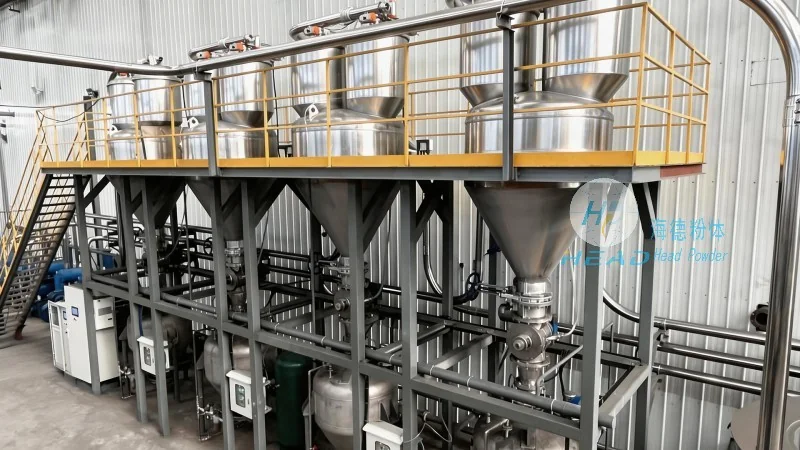
Adopting a limestone pneumatic conveying system offers numerous advantages over traditional material handling methods. One of the most significant benefits is the ability to transport limestone over long distances with minimal infrastructure requirements. Unlike conveyor belts that need to be physically laid out, pneumatic systems can use existing or newly installed pipelines, making them adaptable to various site layouts. This flexibility is particularly beneficial in large industrial complexes where space is limited. Additionally, the enclosed nature of the system helps maintain the quality of the limestone by preventing contamination from external sources and reducing dust exposure for workers. This is crucial in industries where material purity is essential, such as in the production of high-quality cement or chemical products. The system also reduces the risk of material spillage and improves overall safety in the workplace.
Applications in Industrial Settings
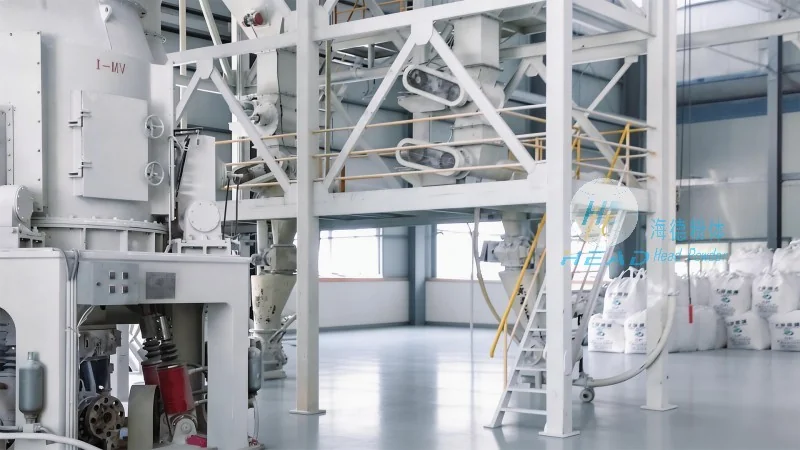
Limestone pneumatic conveying systems are widely used in various industrial applications where the efficient movement of limestone is required. In the construction industry, these systems are used to transport limestone from storage facilities to cement plants or construction sites, ensuring a steady supply of raw material. In chemical manufacturing, they help move limestone to processing units where it is used as a raw material or for pH adjustment in processes. Environmental applications also benefit from this technology, as it allows for the safe and efficient handling of limestone used in water treatment or soil remediation projects. The versatility of the system makes it suitable for both large-scale industrial operations and smaller-scale processing facilities, providing a reliable solution for diverse material handling needs.
Design and Installation Considerations
When designing and installing a limestone pneumatic conveying system, several factors must be carefully considered to ensure its long-term effectiveness and reliability. The first consideration is the type of limestone being handled, as different types may have varying particle sizes and densities, which affect the system's design. For example, finer limestone particles may require higher air velocities to maintain flow, while coarser particles might need larger pipe diameters to prevent blockages. Another important factor is the distance and elevation changes between the source and destination points, as these can impact the required air pressure and system layout. Additionally, the system's capacity and flow rate must be matched to the production needs of the facility to avoid underutilization or overloading. Proper planning and engineering are essential to ensure the system operates efficiently and meets the specific requirements of the application.




